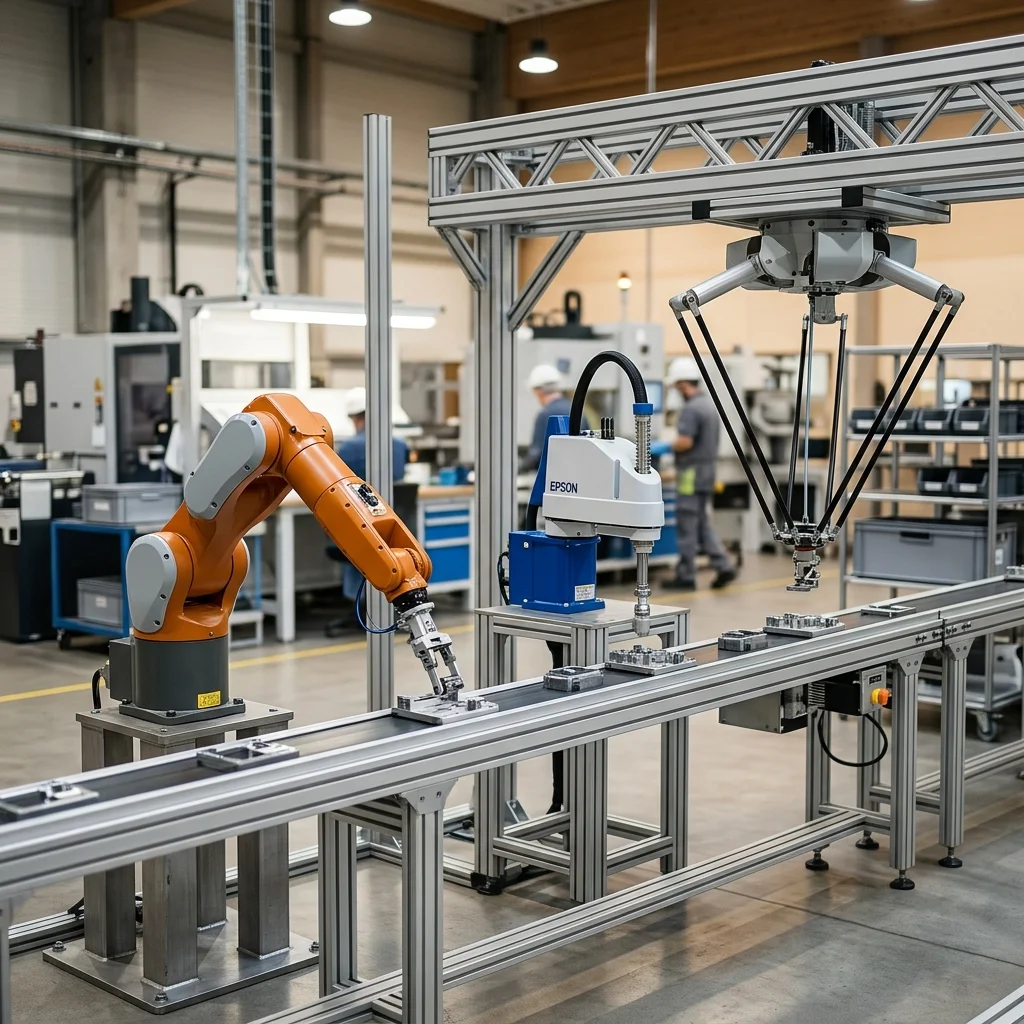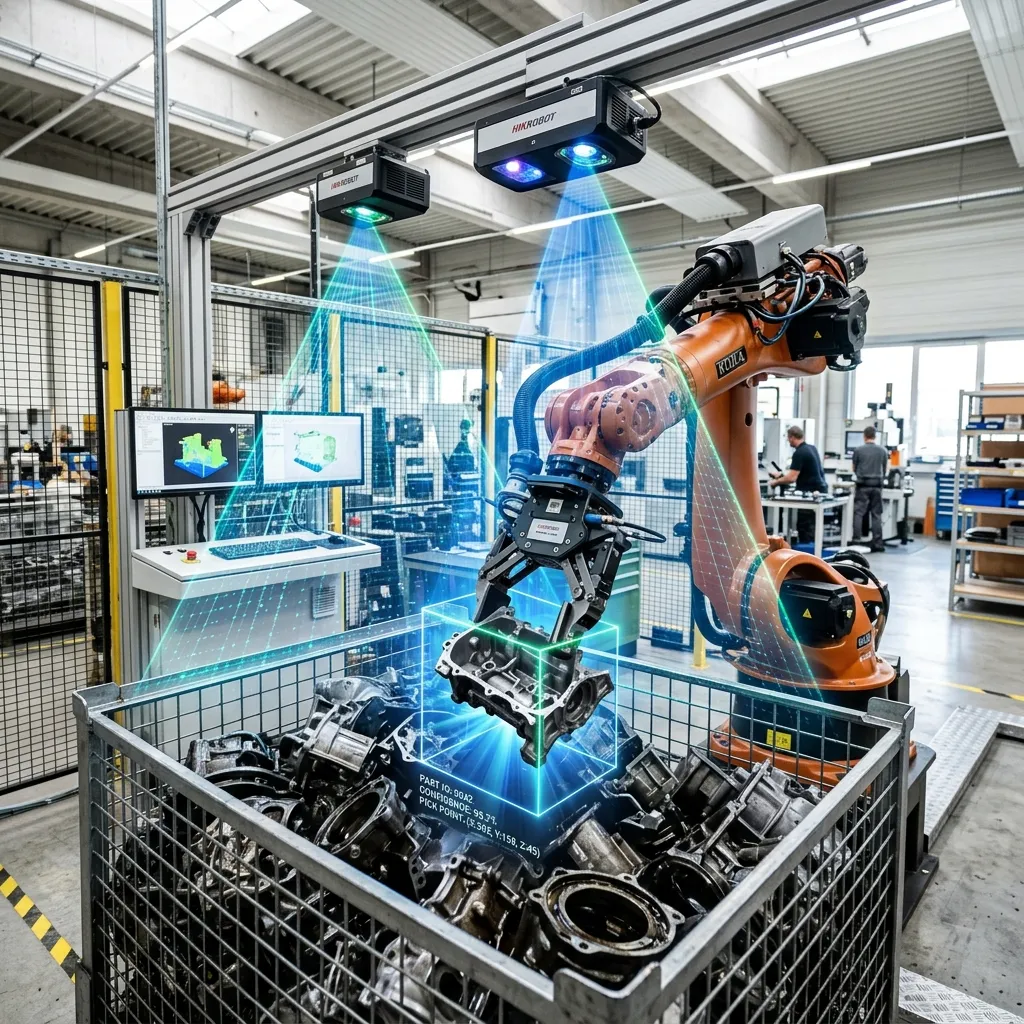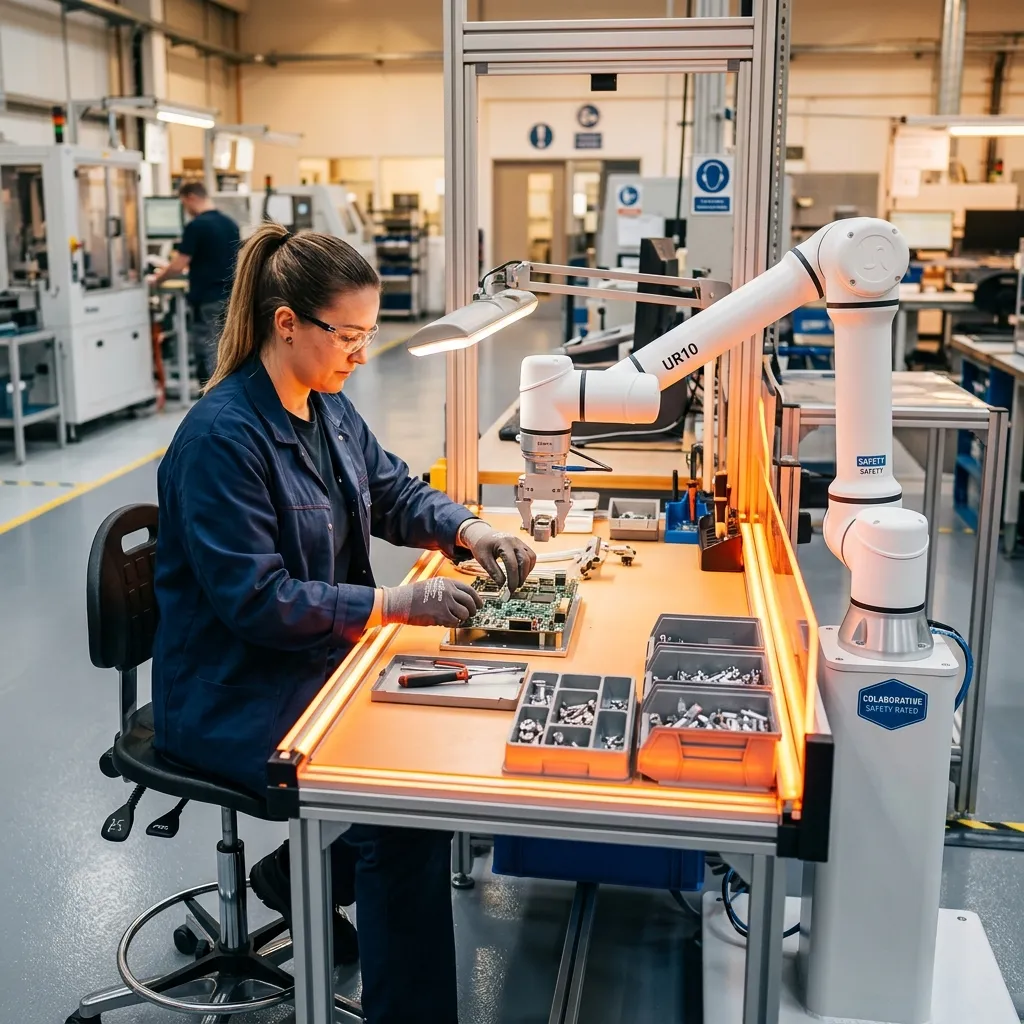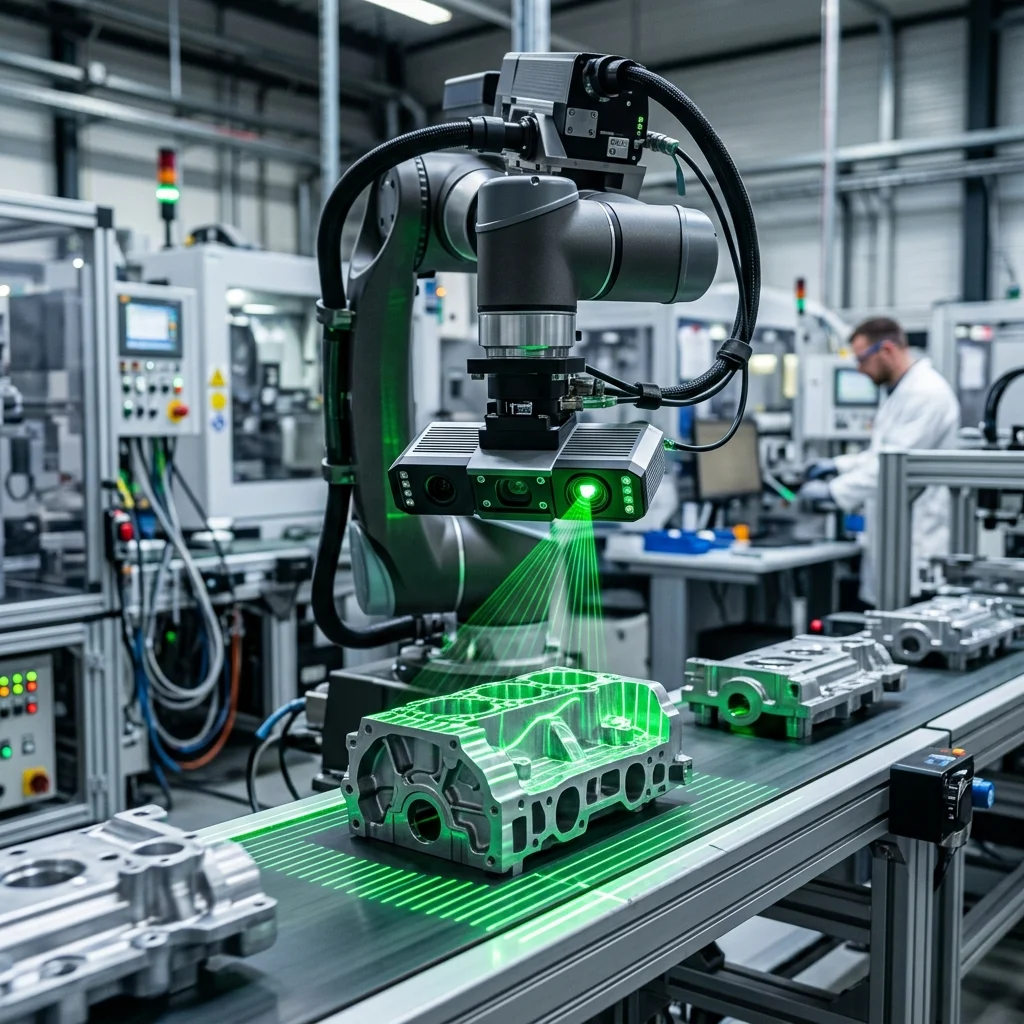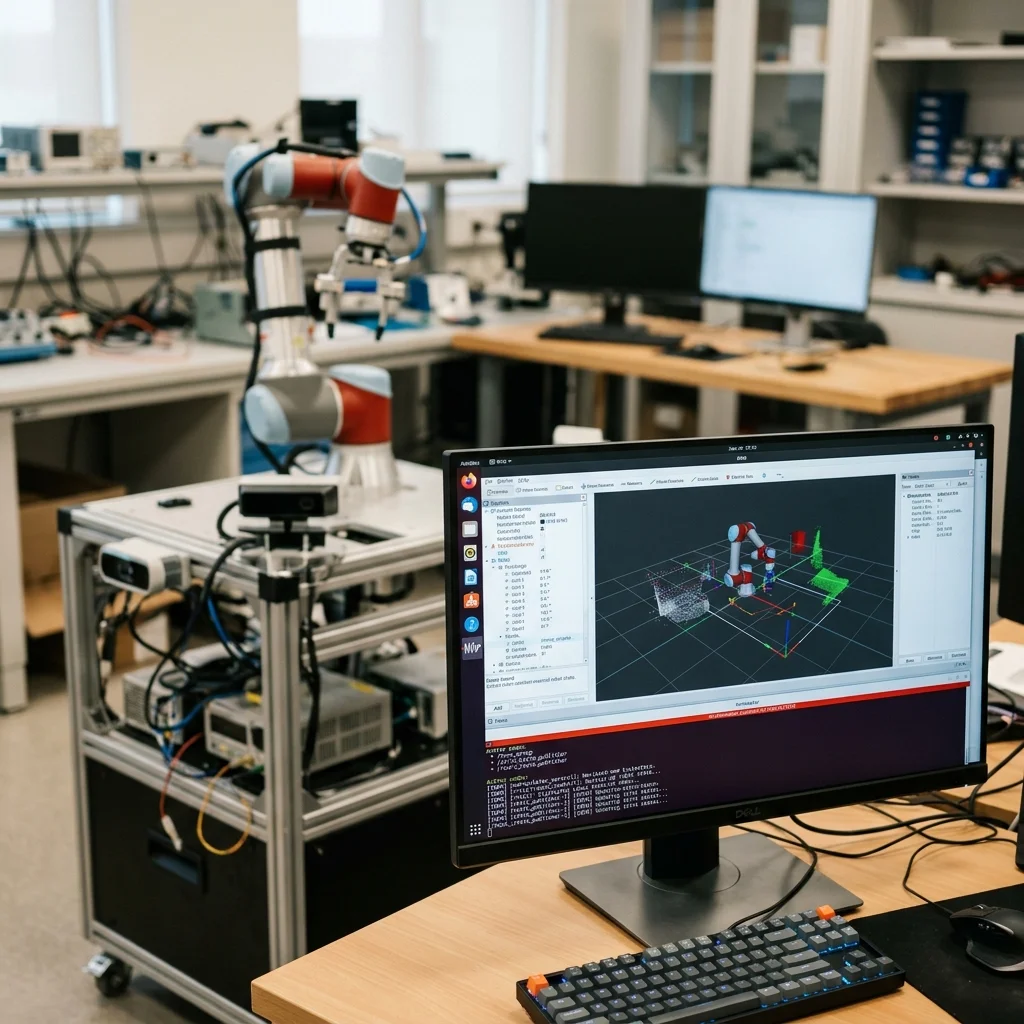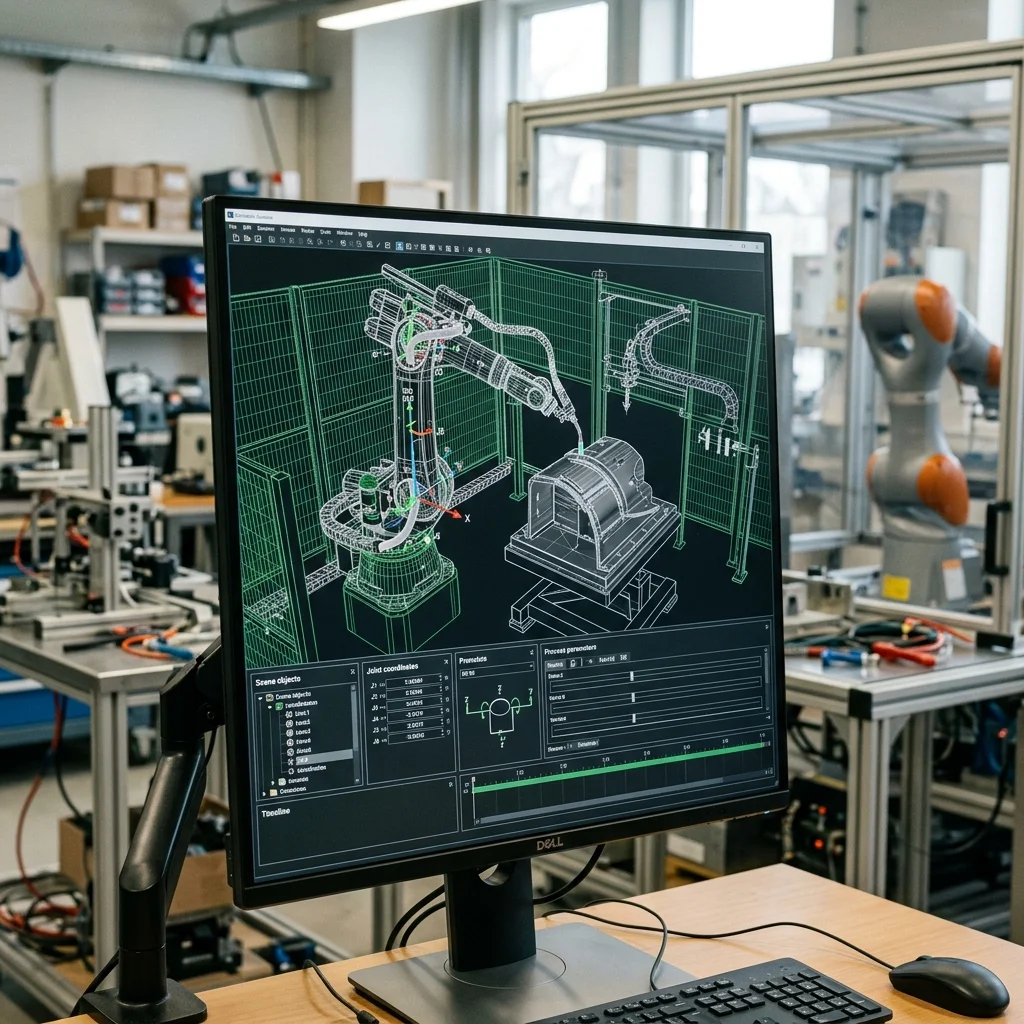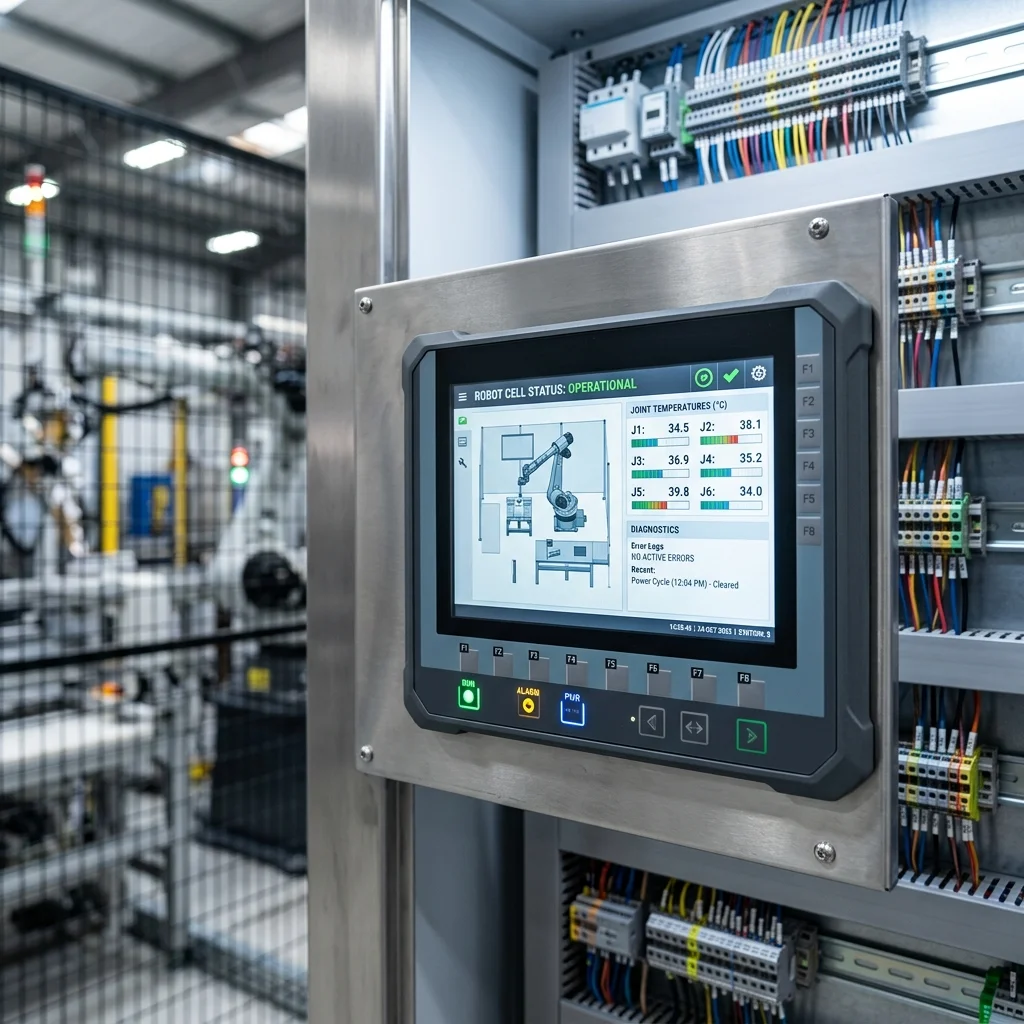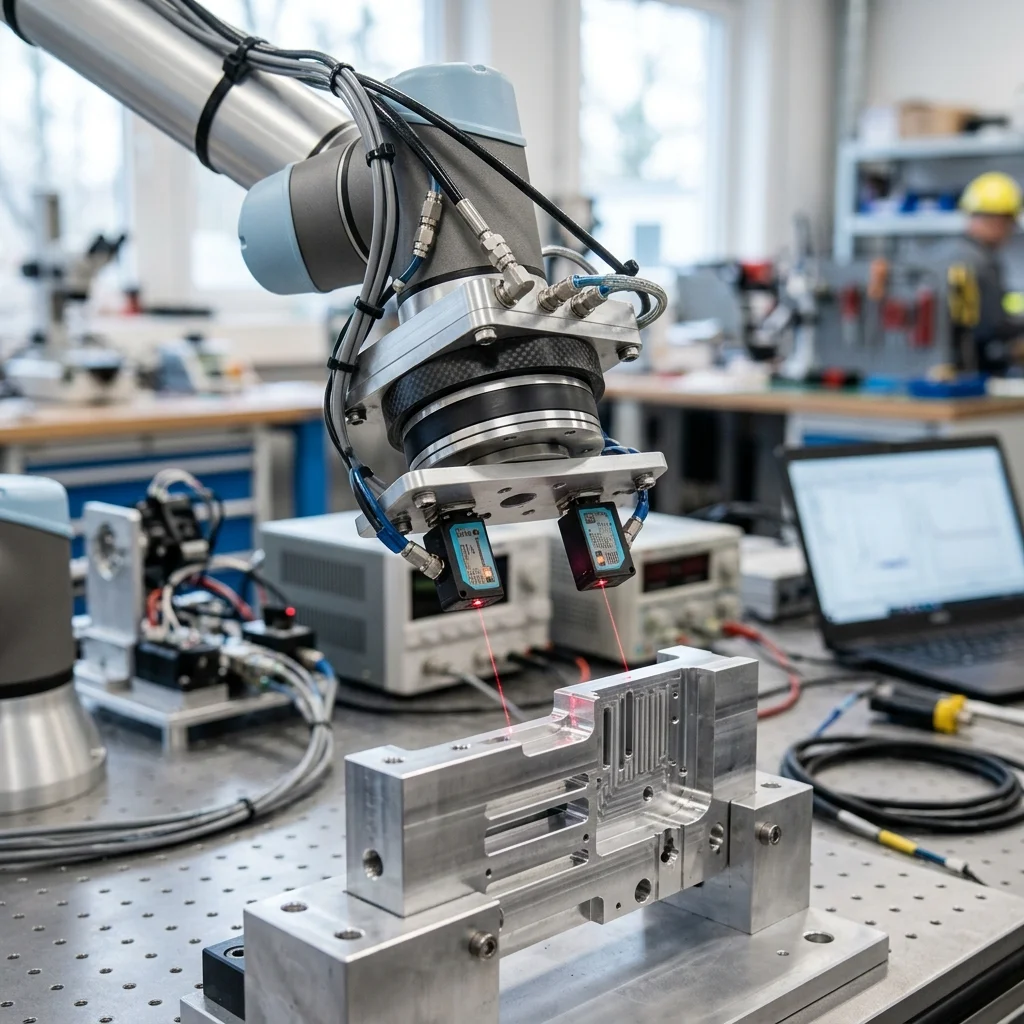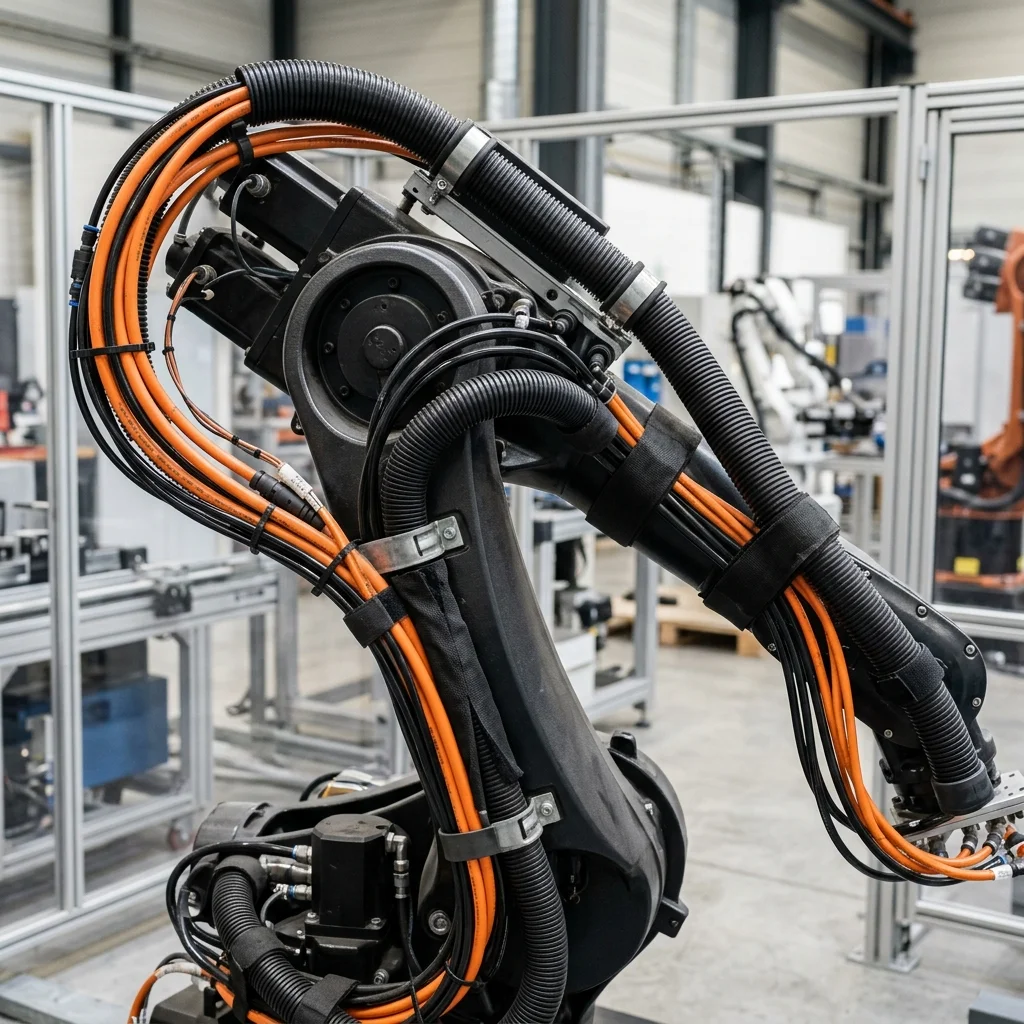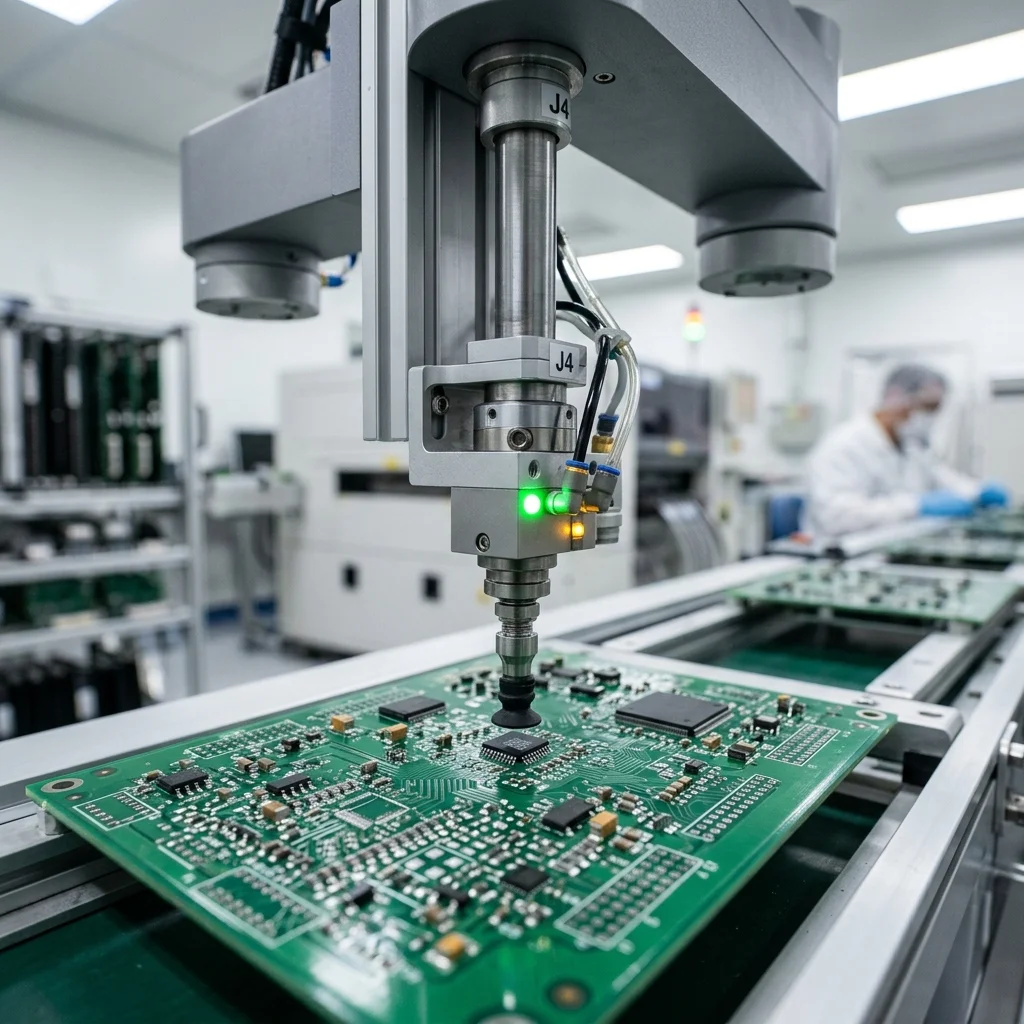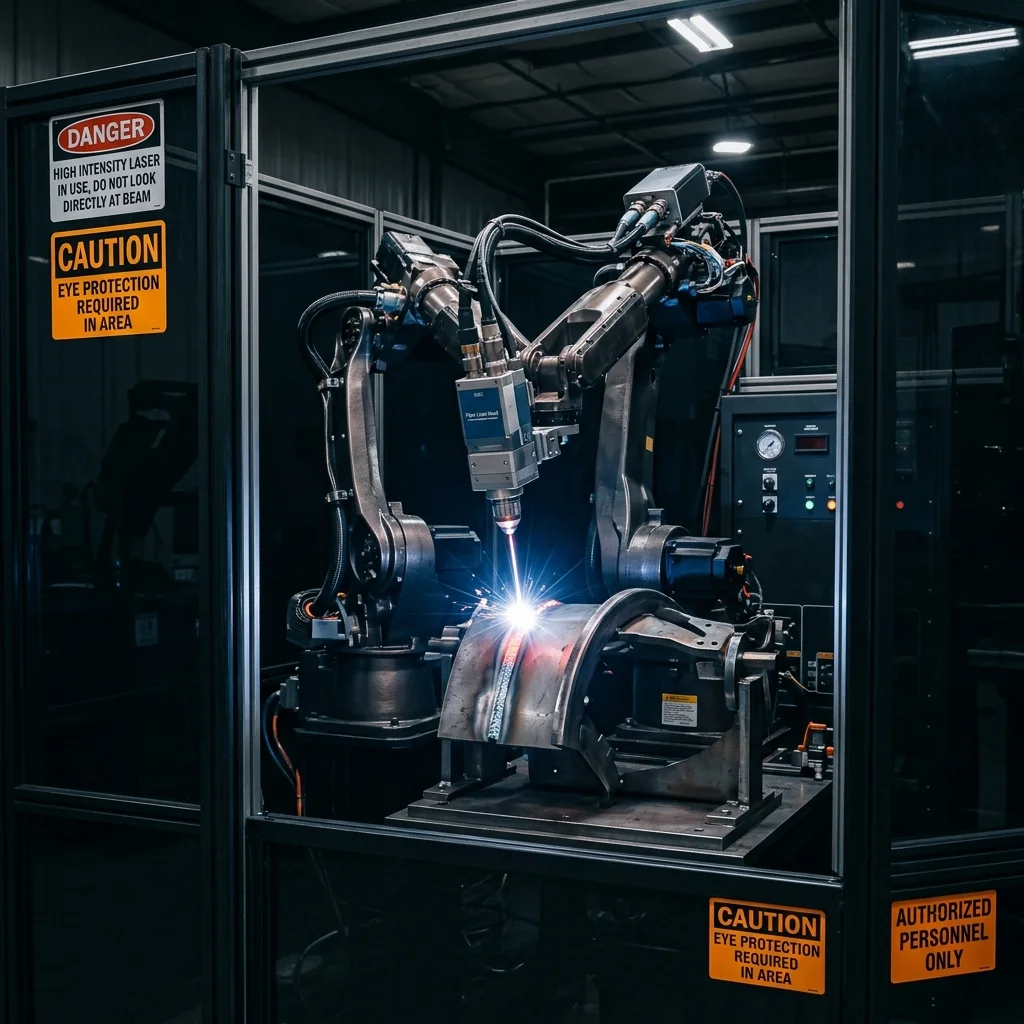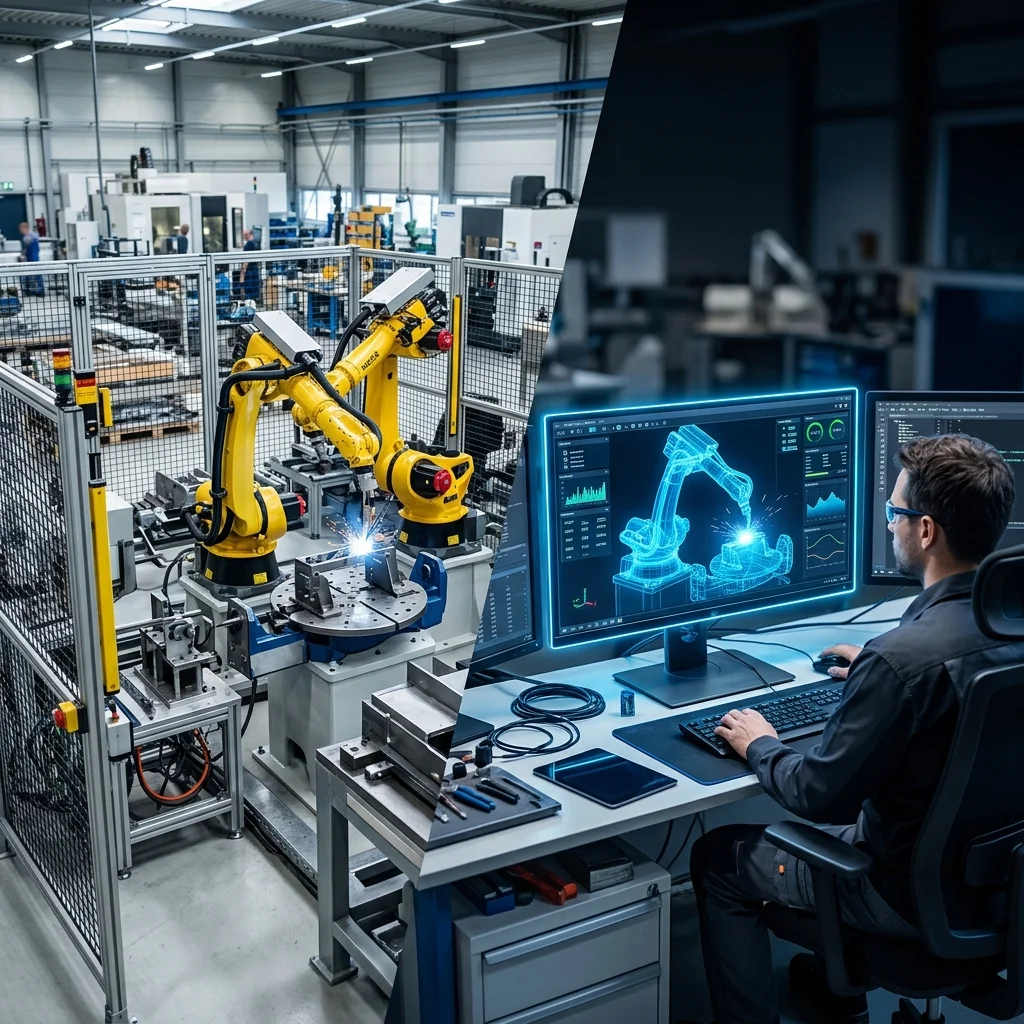
Implementing digital twins in industrial robotics creates a virtual replica of the physical cell, enabling offline reachability checks, collision detection, and cycle time optimization before manufacturing any hardware. Beyond virtual commissioning, connecting the digital twin to real-time IoT sensor telemetry allows plant managers to monitor joint torque, vibration, and thermal profiles to implement effective predictive maintenance.
The Concept of a Living Virtual Model
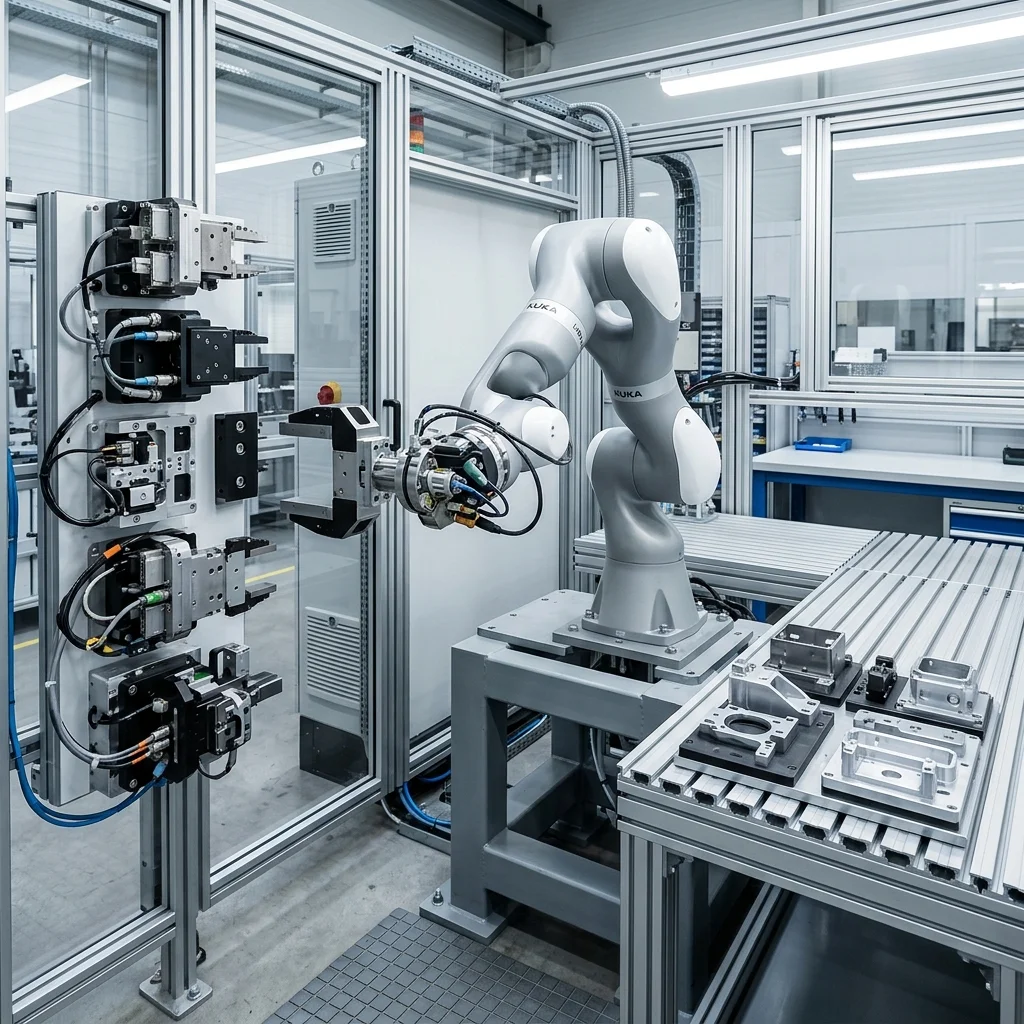
In modern manufacturing, the concept of a digital twin has evolved from a static 3D CAD model into a dynamic, living simulation that reflects the exact state of a physical asset. In industrial robotics, a digital twin represents the robot arm, the end-effectors, the safety enclosures, and the auxiliary fixtures. This model is continuously updated with physical data, allowing engineers to analyze performance and predict issues.
Unlike traditional offline programming, which only simulates nominal paths, a digital twin incorporates physical parameters like mass, friction, moment of inertia, and motor thermal limits. This level of detail allows for highly accurate simulations of cycle times and motor loads. By running the virtual model alongside the physical system, plant managers can detect deviations that indicate mechanical wear or software anomalies.
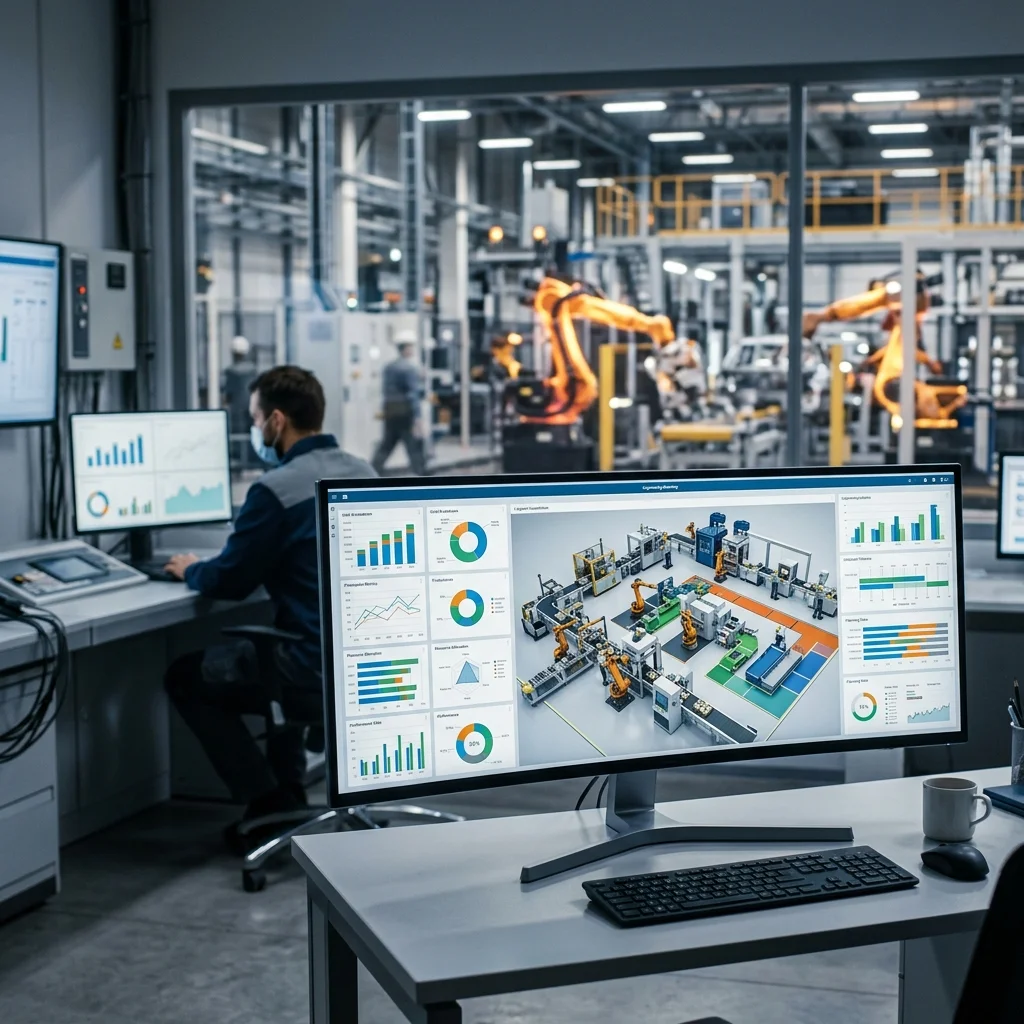
Implementing a digital twin requires a robust software architecture that can handle real-time data streaming. Sensor data from the robot controller (such as encoder positions, joint currents, and temperature readings) is pushed to the digital twin platform, where it is visualized on dashboard screens. This connection between the physical and virtual worlds is a key pillar of Industry 4.0.
Virtual Commissioning and Reducing Time-to-Market
The most immediate return on investment for a digital twin is realized during the commissioning phase of a project. Traditionally, commissioning requires installing the physical hardware on the factory floor before testing control programs, which often leads to delays if design errors are discovered. Virtual commissioning allows engineers to test the PLC logic and robot programs against the digital twin before ordering hardware.
By simulating the electrical handshakes, sensor inputs, and mechanical motion in a virtual environment, engineers can catch software bugs, reachability issues, and collision risks early. For example, if a sensor placement on a conveyor is off by 50 mm, the digital twin simulation will show the collision or process failure, allowing the design to be corrected in the CAD file rather than retrofitting physical steel on the shop floor.
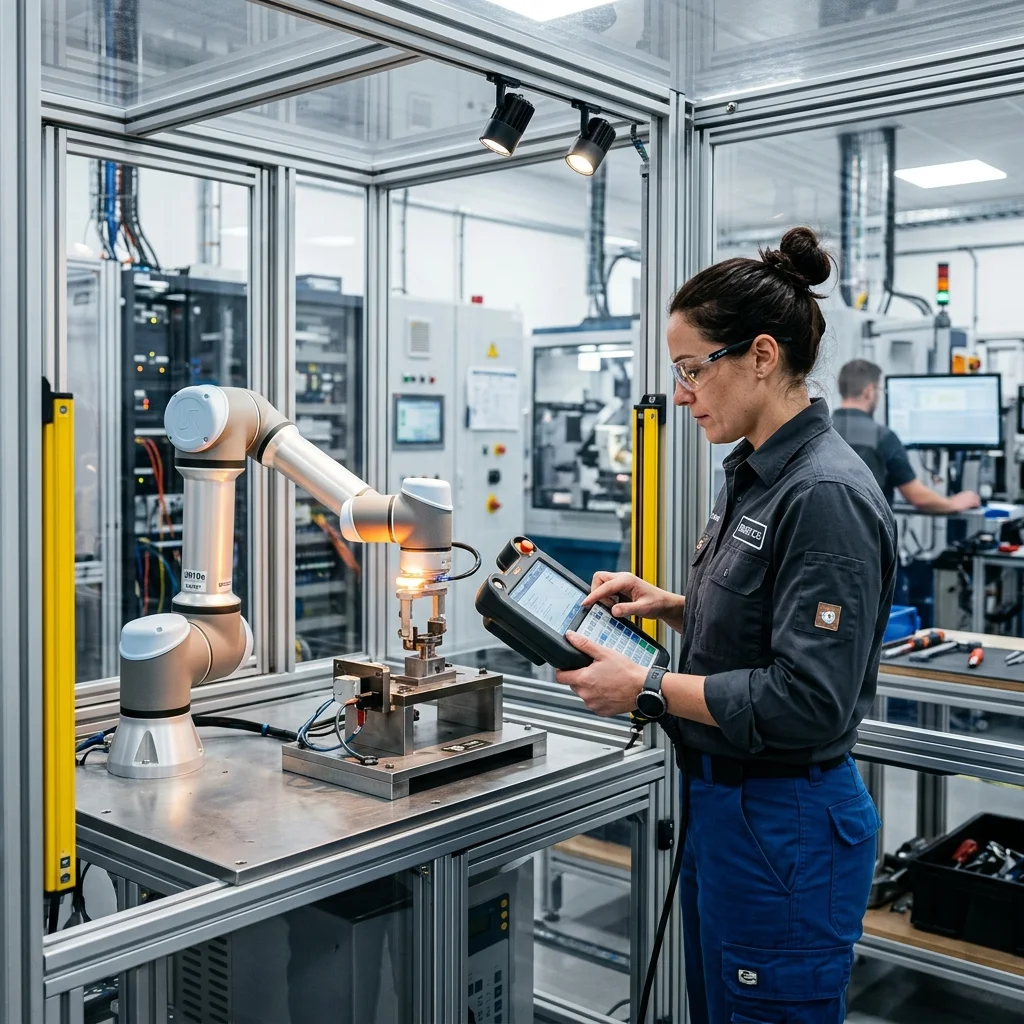
Virtual commissioning can reduce physical install times by up to 50%. It also allows for operator training to begin before the physical line is built. Operators can interact with the system via virtual HMI screens and simulation pendants, learning the process flow and recovery procedures in a safe environment, which speeds up the ramp-up phase.
Real-Time Telemetry and Edge Computing Integration
Once the robotic cell is in production, the digital twin transitions to a monitoring and optimization tool. This requires collecting real-time telemetry from the robot controller and surrounding sensors. Because high-frequency data (like joint torque sampled at 250 Hz) can overwhelm factory networks, edge computing devices are deployed to process data locally.
The edge device filters the raw sensor data, calculating key performance metrics like average joint torque, peak currents, and cycle time deviations before sending the summarized data to the cloud-based digital twin. This architecture ensures that critical alarms are generated instantly while preventing network congestion. The virtual model acts as a visual interface, highlighting components that are operating outside normal parameters.
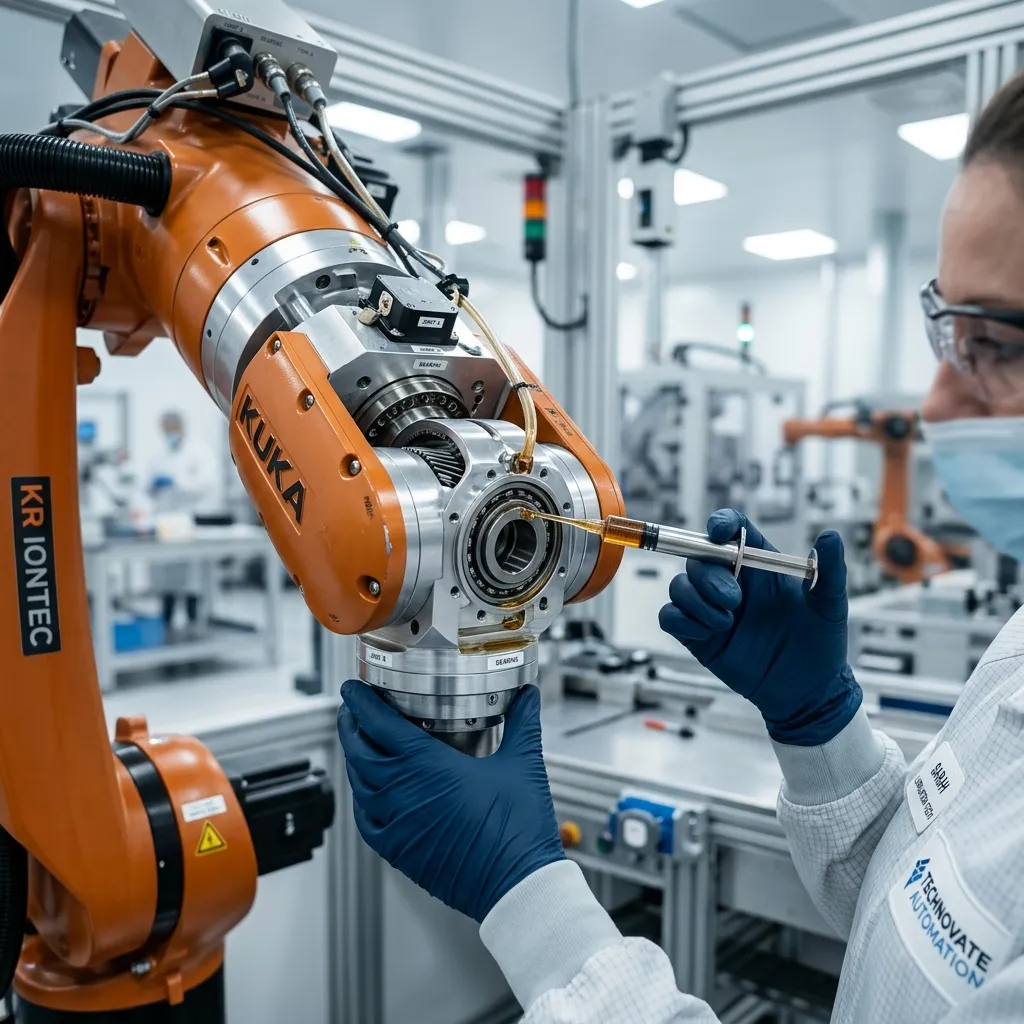
For example, if joint 3 shows a steady increase in torque over several weeks while performing the same path, the digital twin can highlight that specific joint on the 3D model, alerting maintenance technicians to inspect the gearbox or lubricate the joint. This targeted maintenance reduces diagnostic times and prevents catastrophic failures.
Predictive Maintenance and Machine Learning Models
Predictive maintenance is the ultimate goal of a digital twin deployment. By combining real-time telemetry with historical performance data, machine learning algorithms can predict when a component is likely to fail. This allows maintenance to be scheduled during planned shutdowns rather than reacting to unscheduled breakdowns, which can cost thousands of dollars per minute.
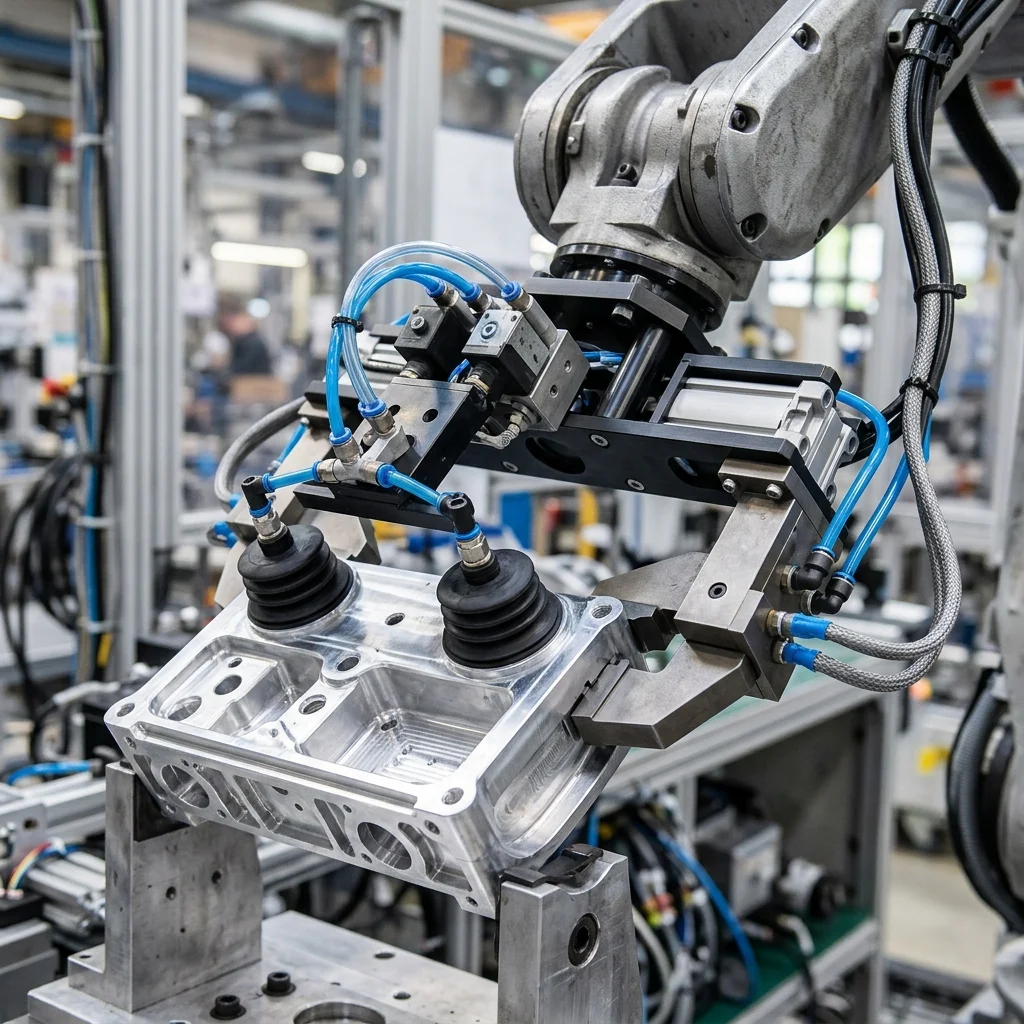
Machine learning models are trained on historical data to recognize patterns that precede failures, such as micro-vibrations in gearboxes, thermal drift in motors, or pressure drops in pneumatic grippers. When the live telemetry matches these signatures, the system estimates the remaining useful life (RUL) of the component. This foresight allows teams to order spare parts and schedule technicians in advance.
In addition to predicting failures, the digital twin can optimize operations to extend component life. If a motor is running hot due to a high-duty cycle, the system can automatically adjust the acceleration profile or path velocity to reduce thermal stress, extending its operating life until the next maintenance window.
Challenges in Implementing and Maintaining Digital Twins
While the benefits of digital twins are clear, implementation requires addressing several technical challenges. First, maintaining synchronization between the physical cell and the virtual model is difficult. If a technician physically moves a limit switch on the factory floor by 10 mm and fails to update the digital model, the digital twin's predictive accuracy is compromised.
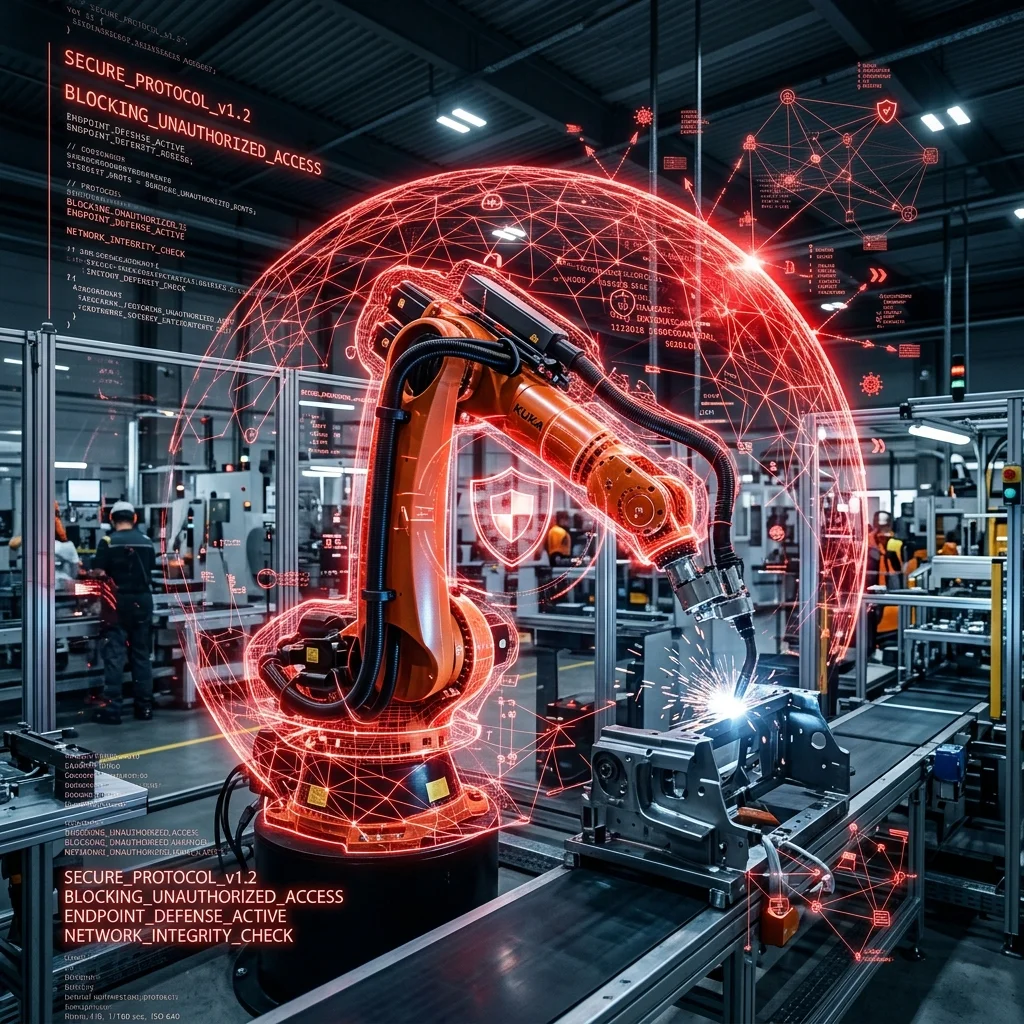
Second, data security is a major concern. Streaming detailed factory data to the cloud opens up potential cybersecurity risks. Manufacturing networks must be secured using firewalls, encryption, and secure access protocols to prevent unauthorized access to proprietary cell layouts and production rates. Implementing these security measures adds complexity to the IT infrastructure.
Finally, the cost of software licenses, edge hardware, and integration services can be high. Companies must conduct a cost-benefit analysis to ensure the investment is justified by the reduction in downtime and commissioning costs. For high-volume manufacturing where downtime is extremely costly, the payback period for a digital twin is often under a year, making it a highly attractive investment.