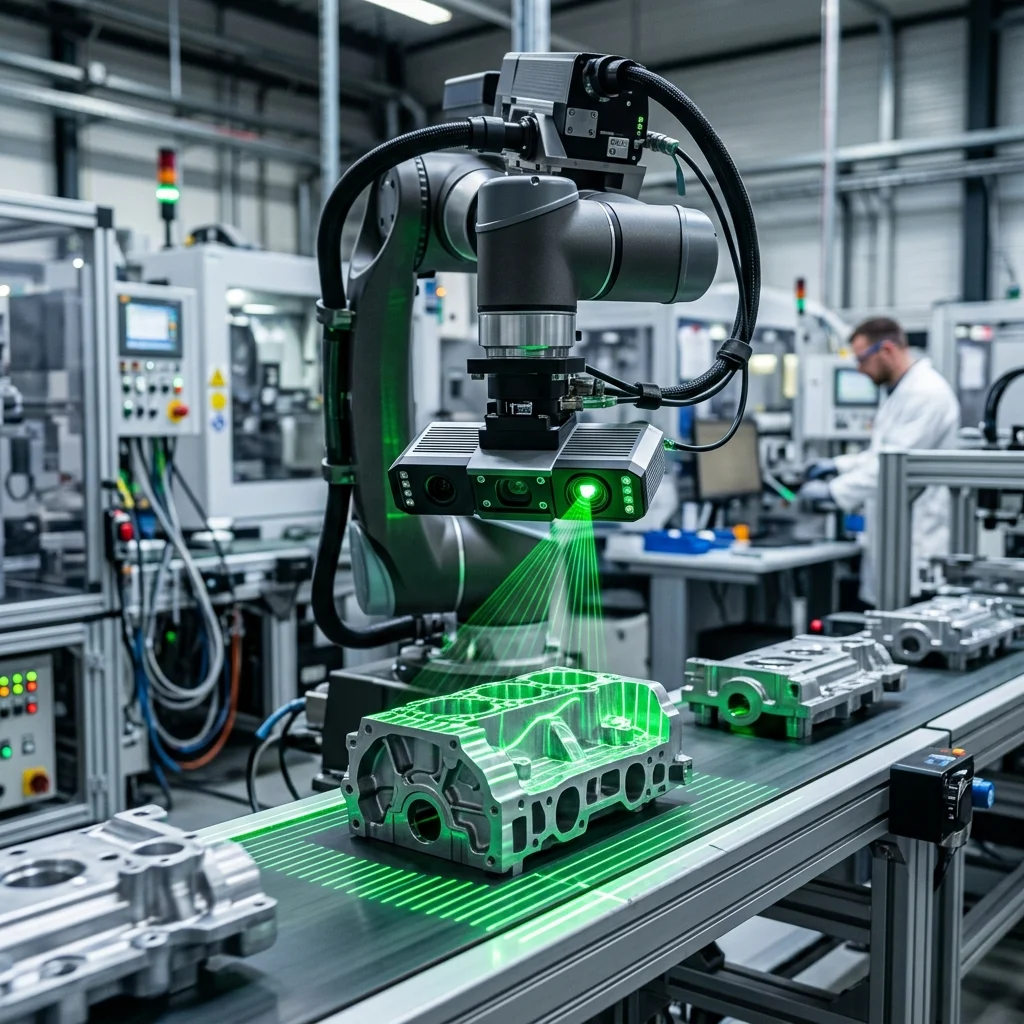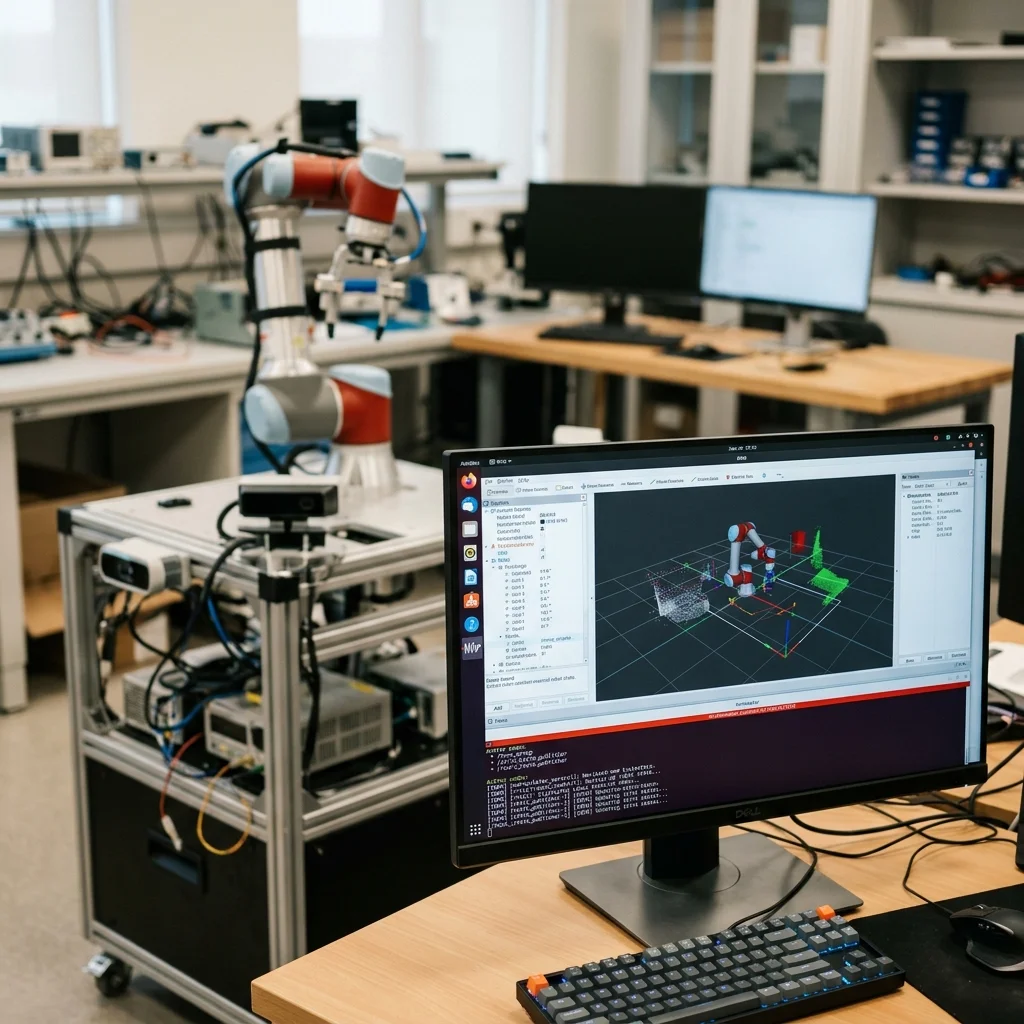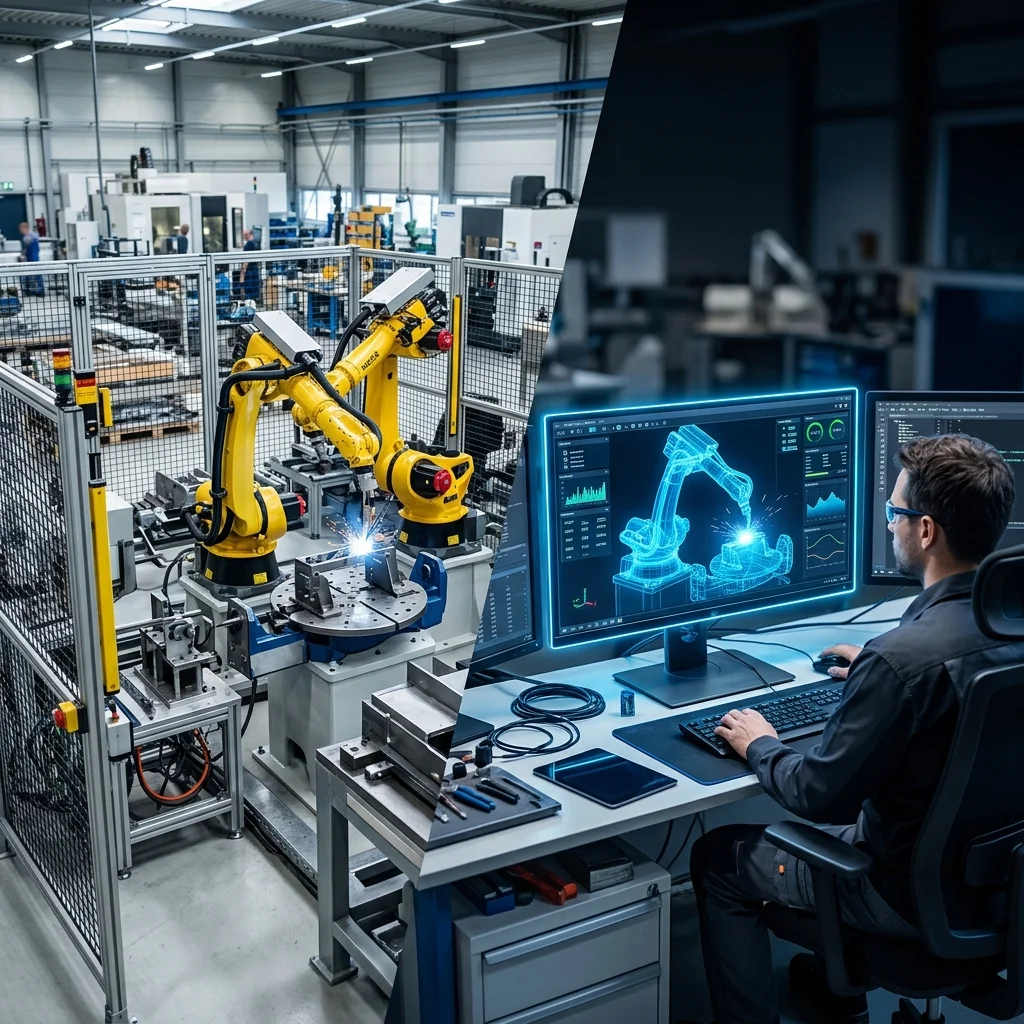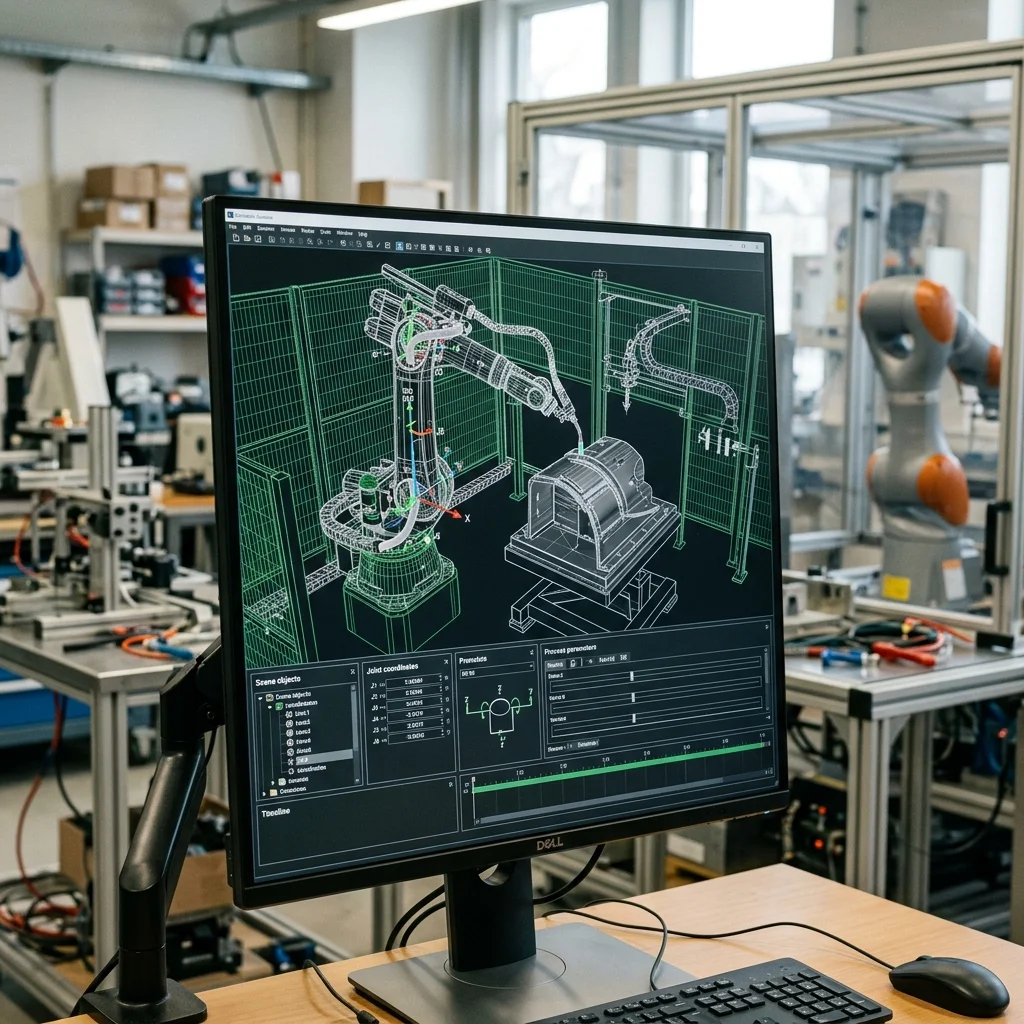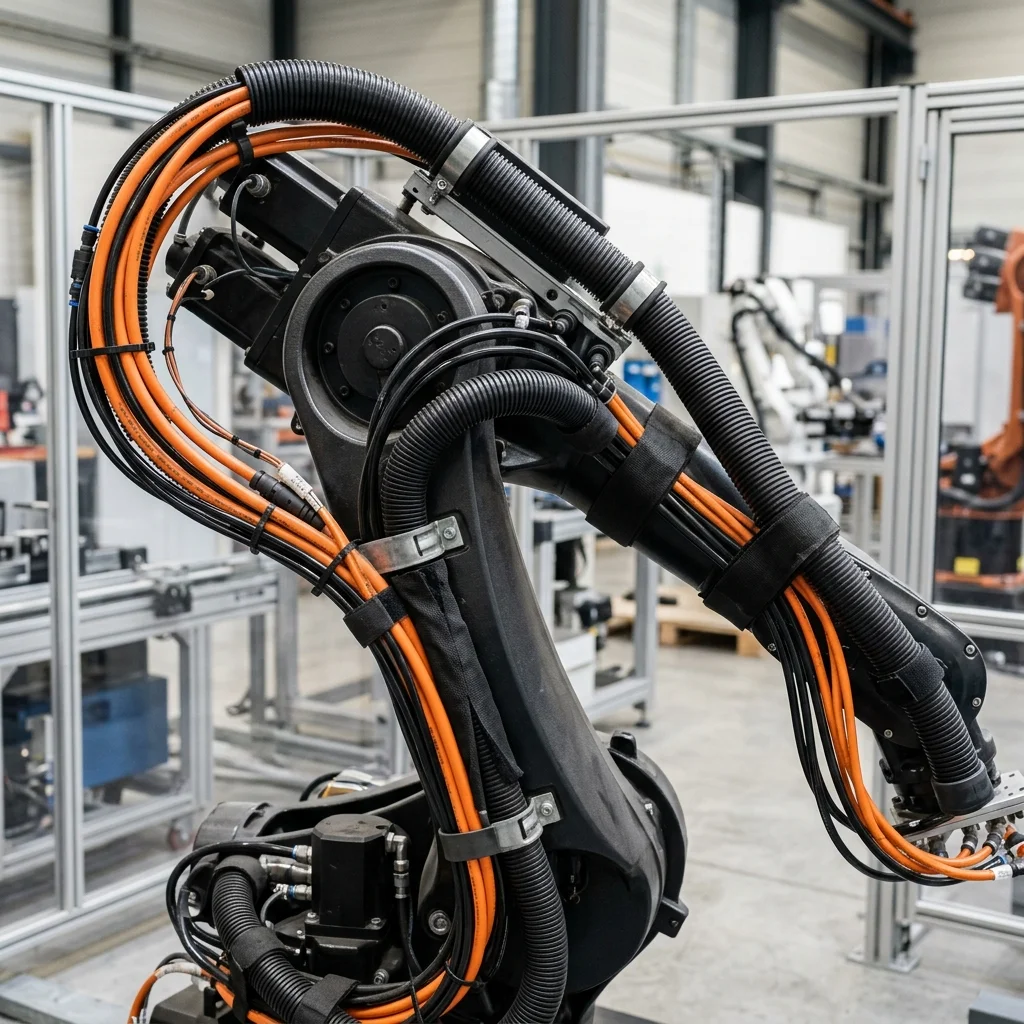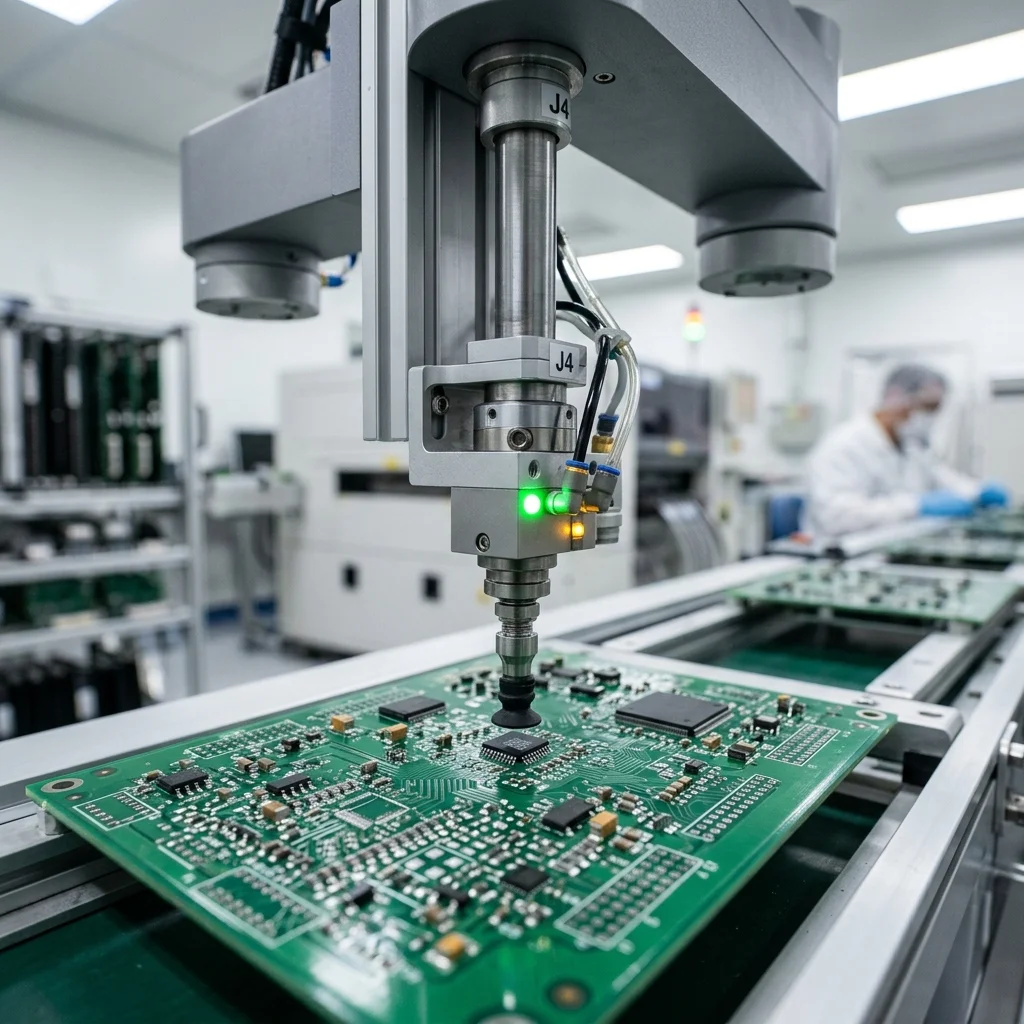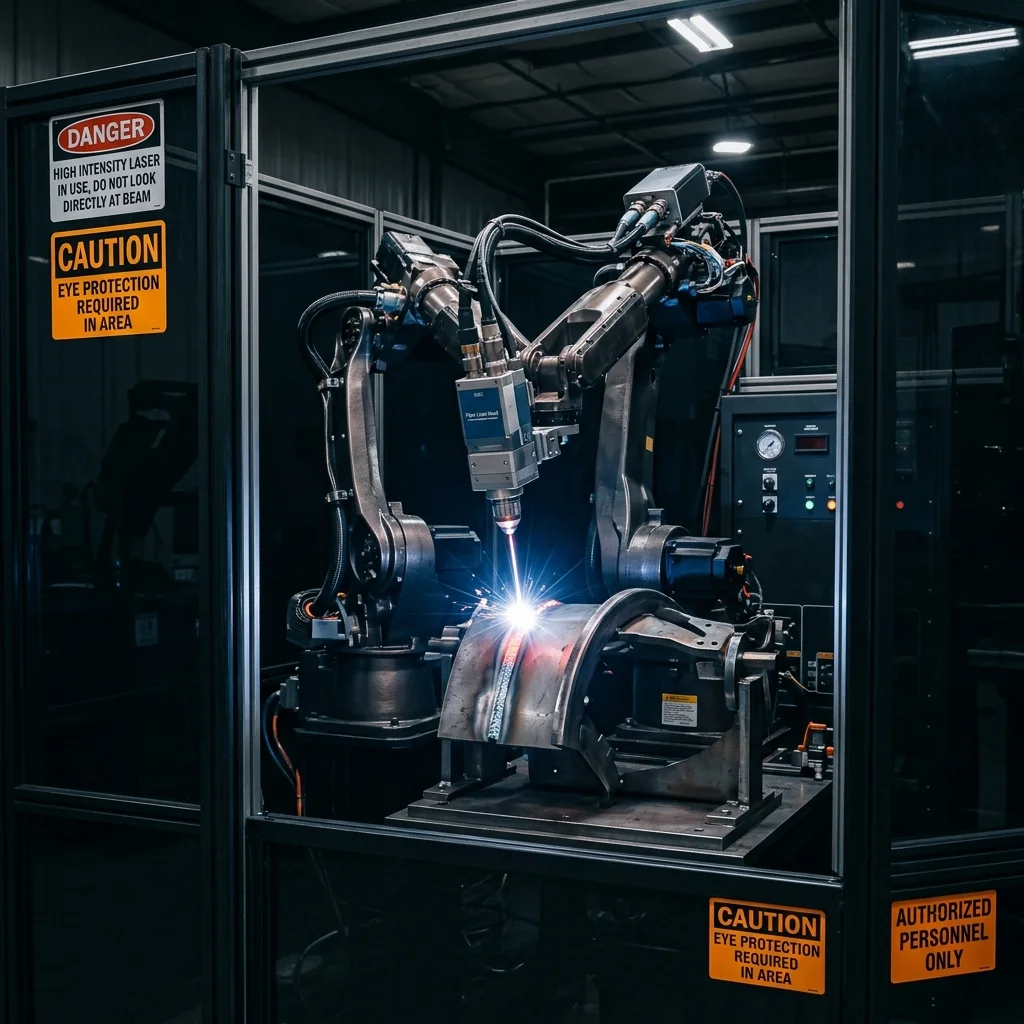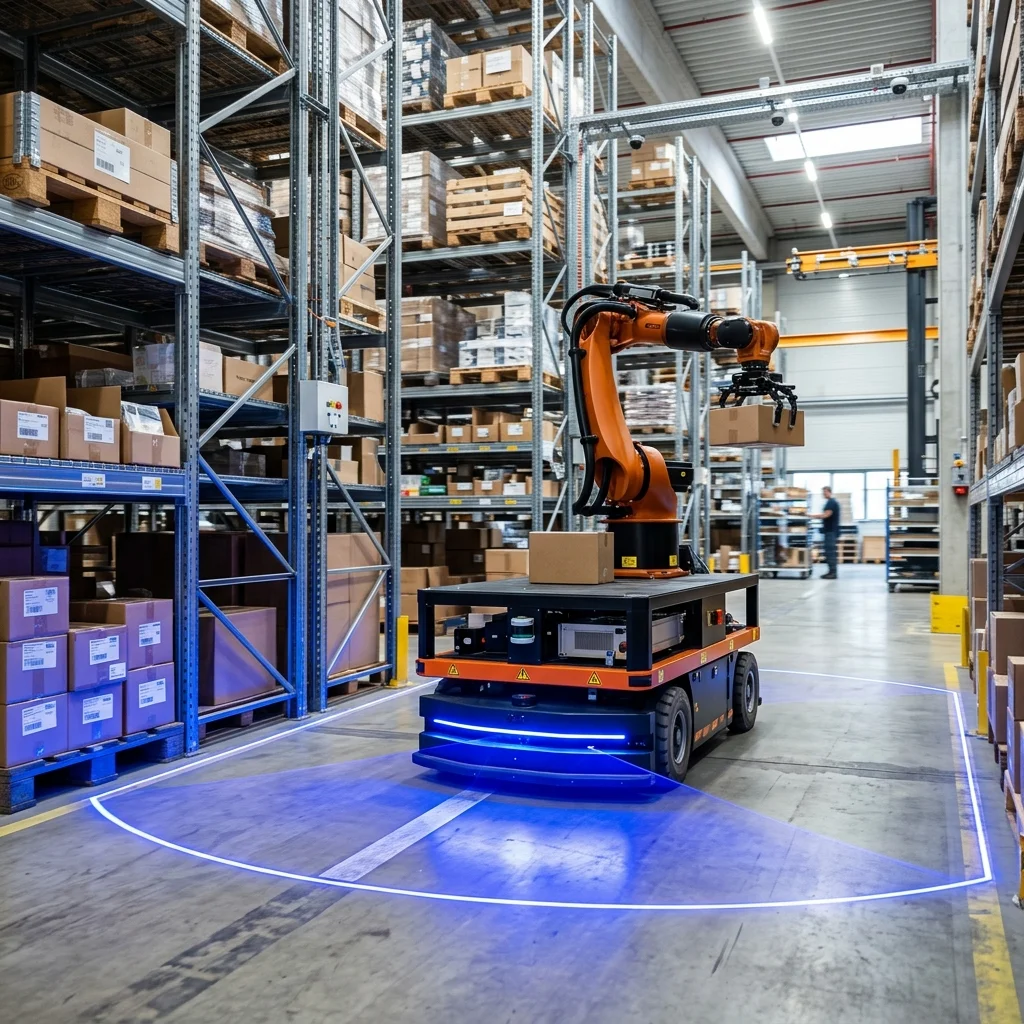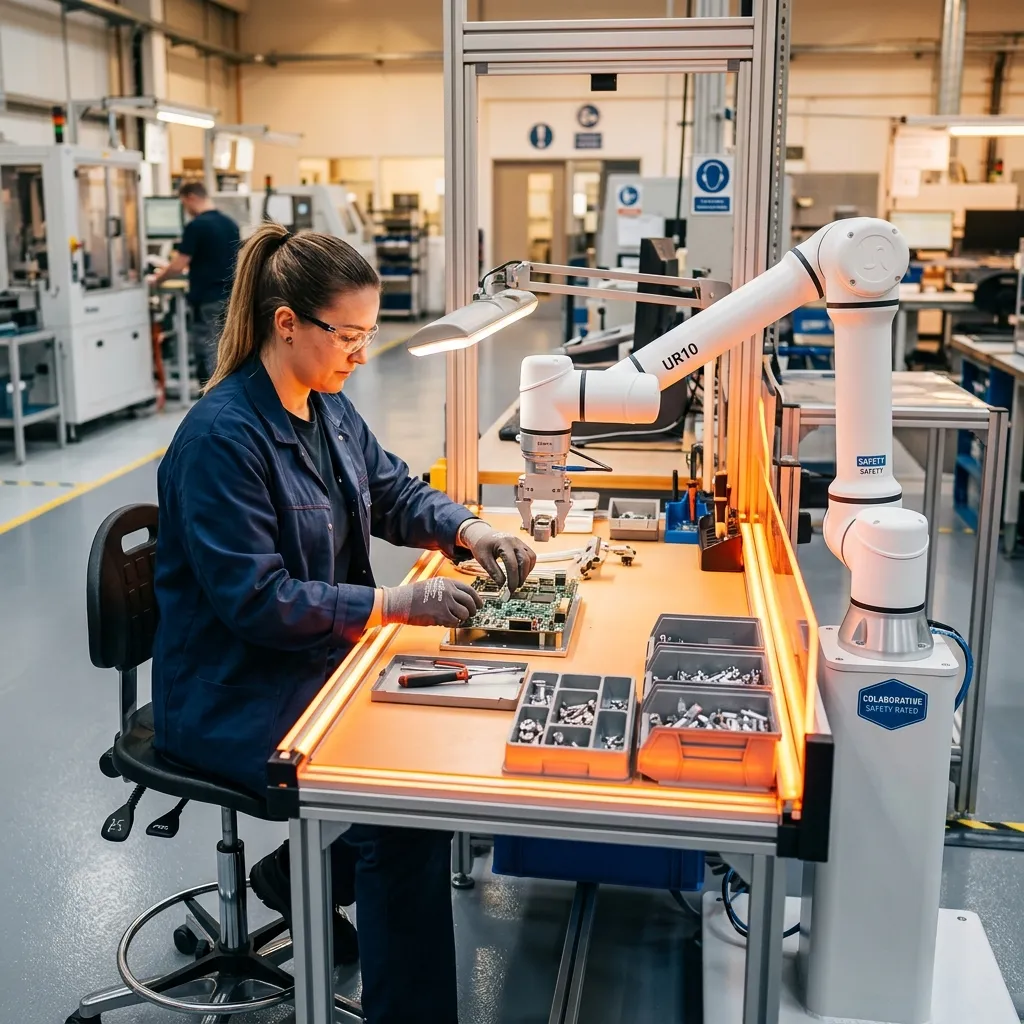
Integrating collaborative robots (cobots) alongside human operators requires strict compliance with international safety standards, specifically ISO 10218-1/-2 and the detailed technical specifications of ISO/TS 15066. These standards define the limits for force, pressure, and speed, requiring a comprehensive risk assessment of the entire application—including the tooling and the workpiece—rather than just the robot arm itself.
Collaborative Operations: The Four Modes of Safety
ISO 10218 defines four distinct methods of collaborative operation designed to ensure human safety. The first is Safety-Rated Monitored Stop, where the robot stops moving whenever a human enters the shared workspace. The second is Hand Guiding, where the operator physically directs the robot arm using a sensitive guiding device on the end-effector.
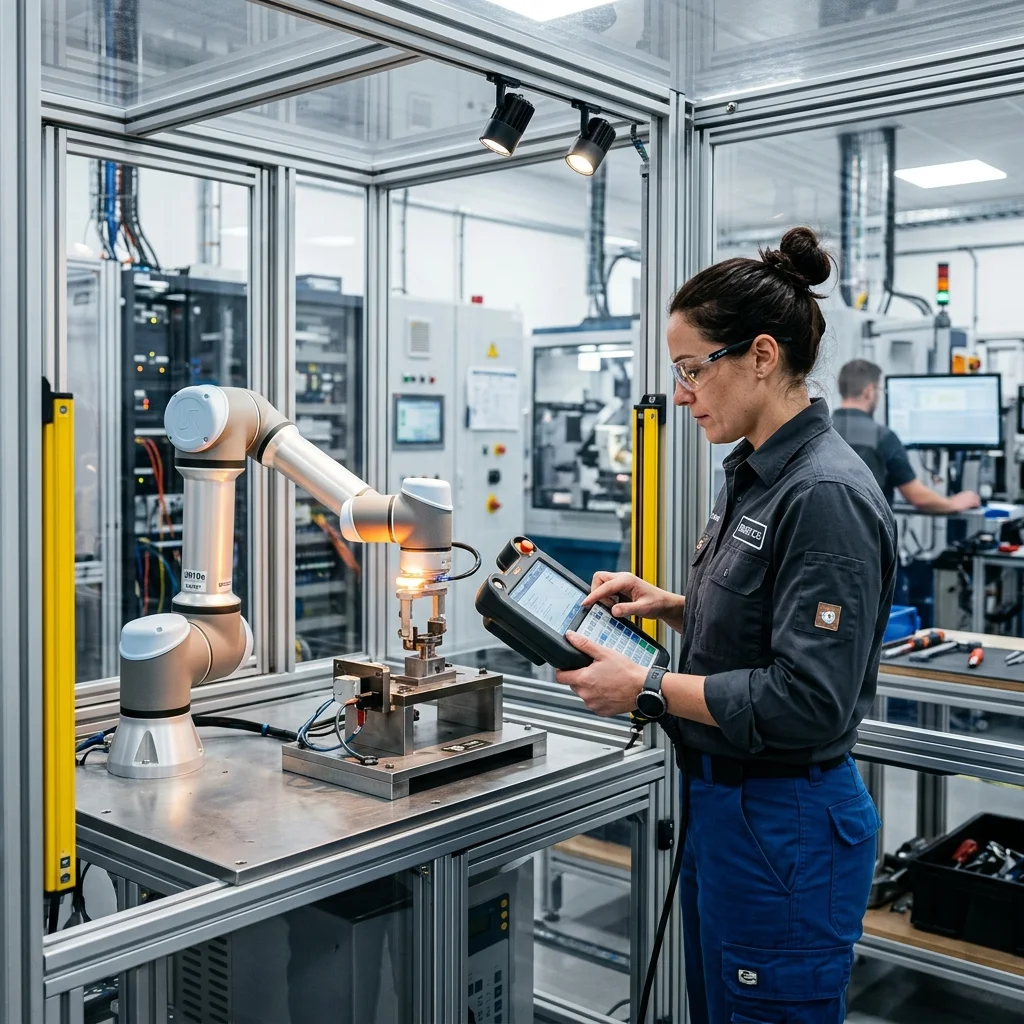
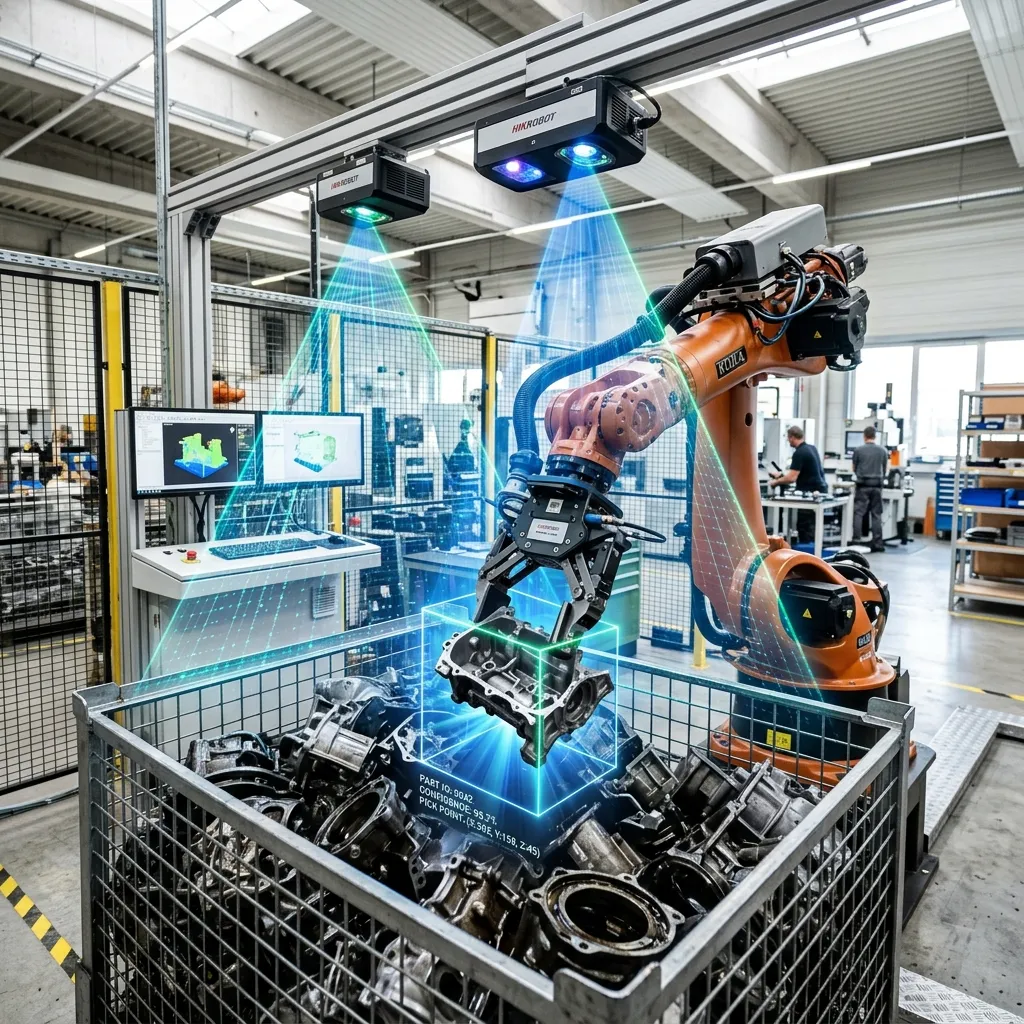
The third mode is Speed and Separation Monitoring, where scanners track the distance between human and robot, slowing the arm down as the operator approaches and stopping it if they get too close. The fourth and most common mode is Power and Force Limiting (PFL), where the robot's built-in sensors detect collisions and immediately cut power, preventing injury.
Force and Pressure Limits under ISO/TS 15066
ISO/TS 15066 provides concrete data on pain thresholds for various parts of the human body, defining exact force and pressure limits that a robot must not exceed during transient (dynamic) or quasi-static (clamping) contacts. For example, the maximum allowable force on a human arm is different from that on the chest or face, requiring careful configuration of joint torques.
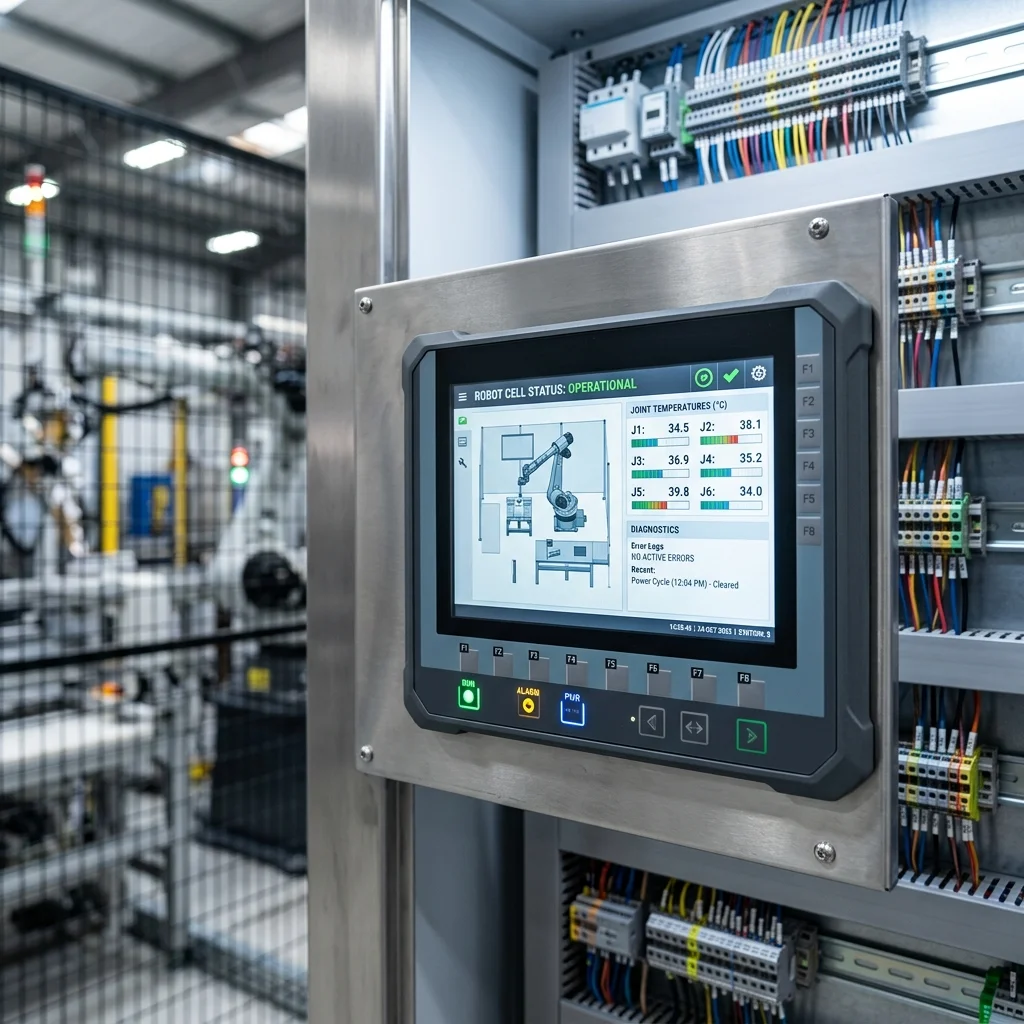
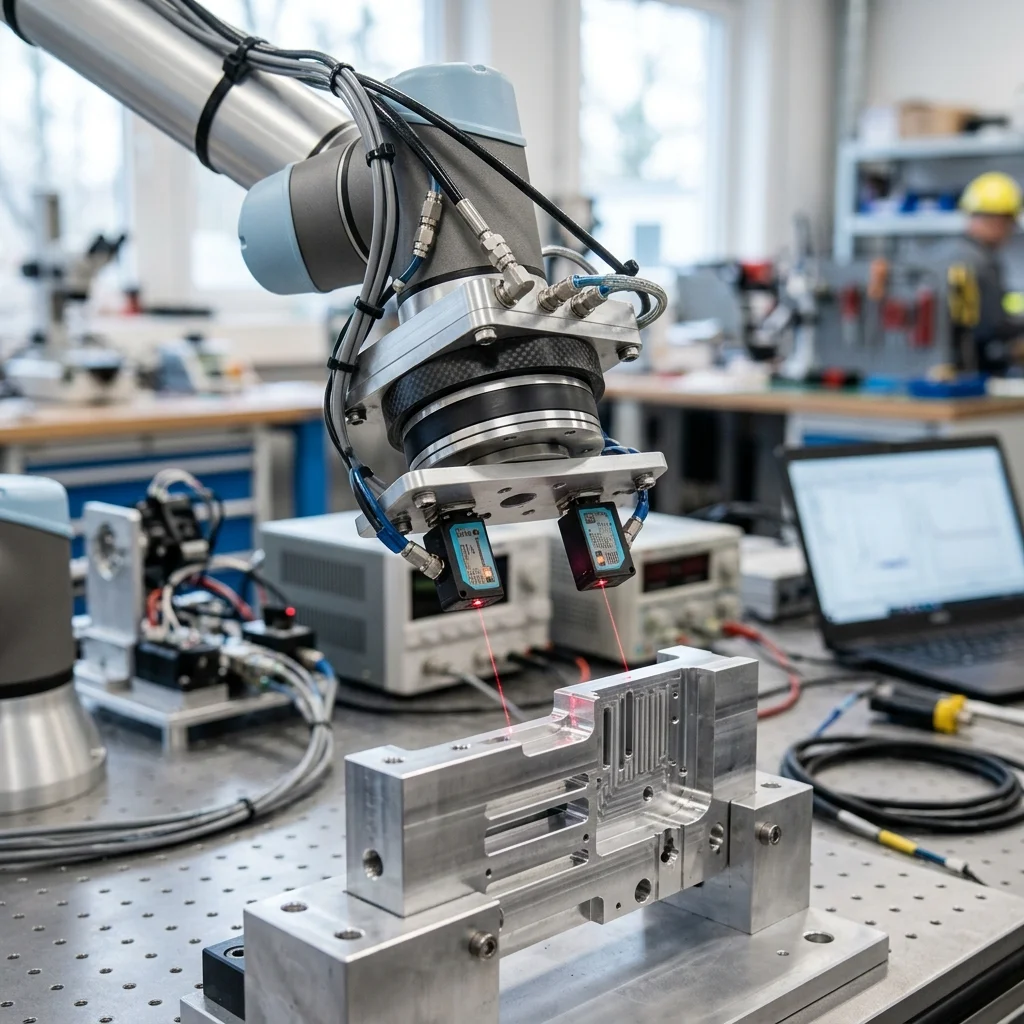
To comply, integrators must use force-measurement sensors during commissioning to record impact values at various coordinates. If the values exceed the thresholds, the robot's speed and torque limits must be adjusted downward in software. These calculations must be documented as part of the technical file required for safety certification.
The Entire Application Matters: Risk Assessment
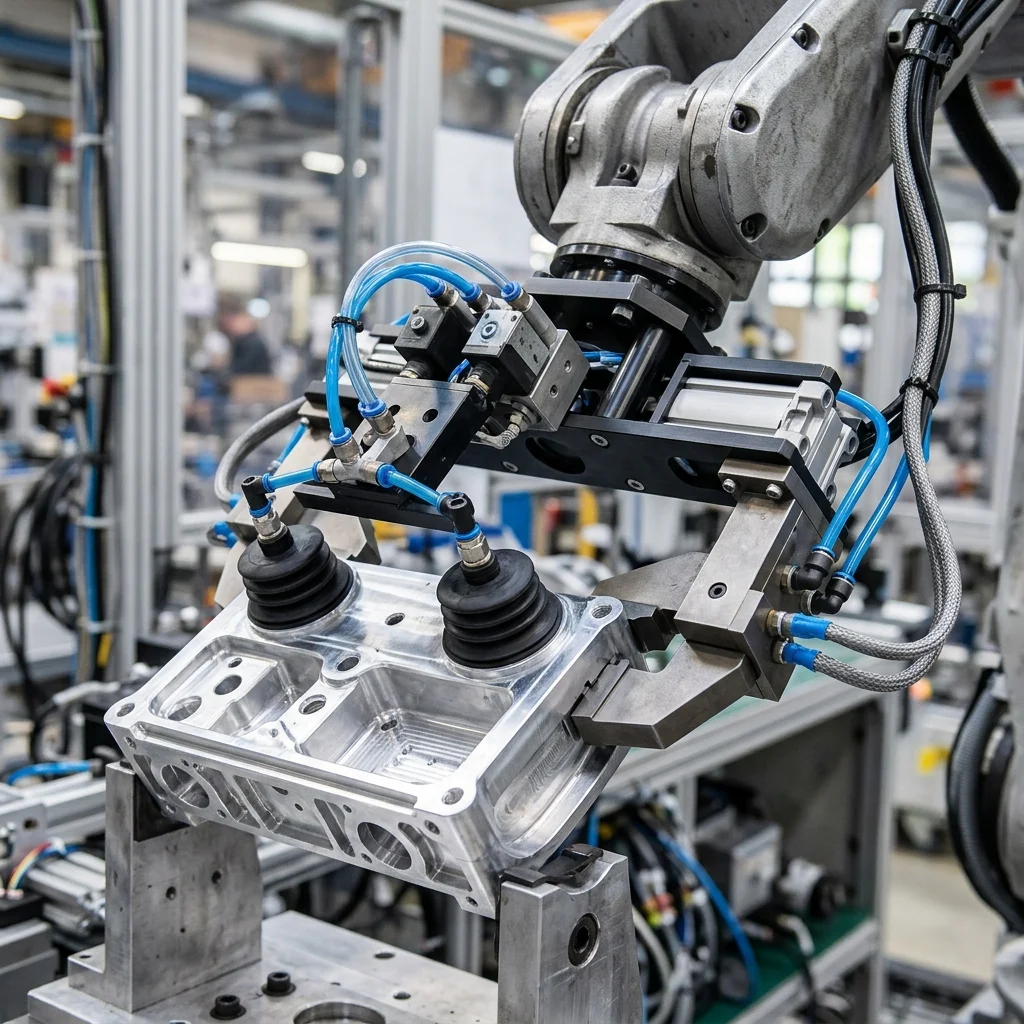
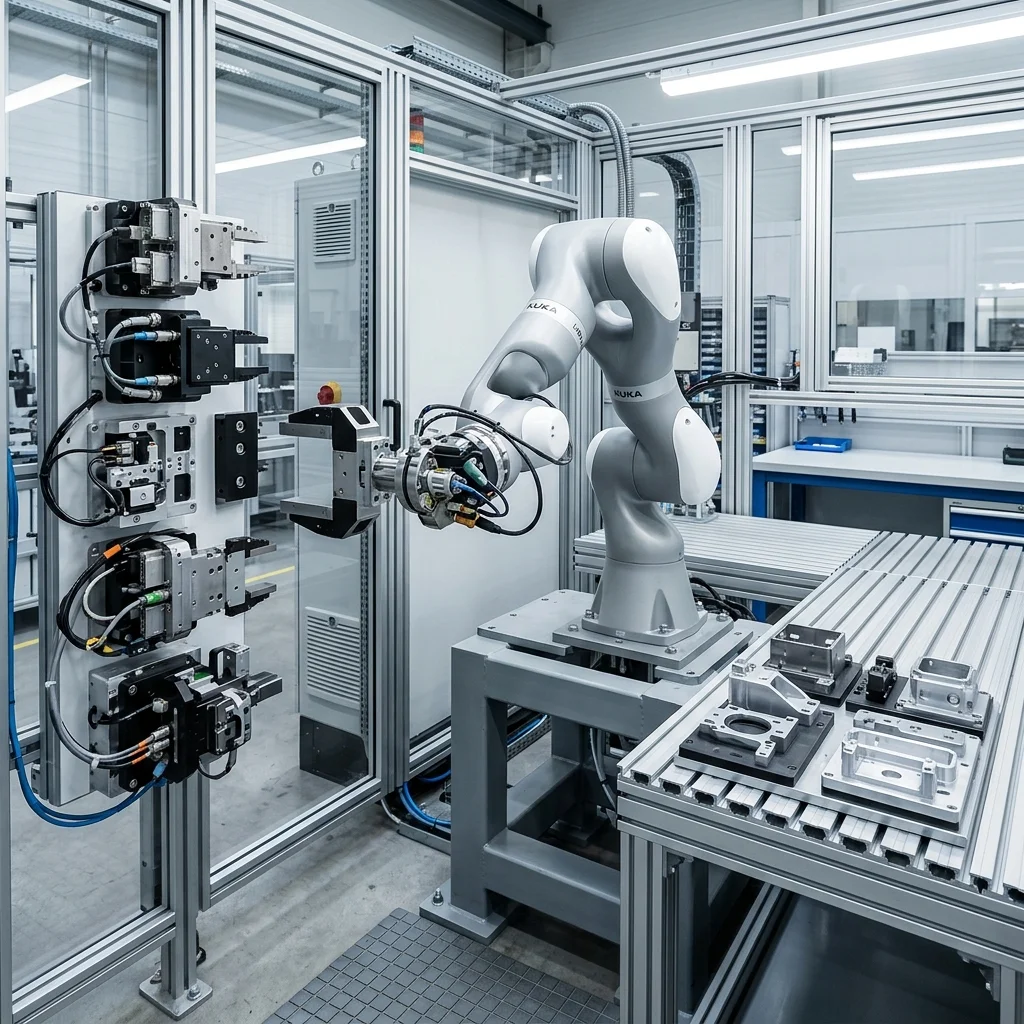
A common mistake is assuming that buying a 'collaborative' robot arm makes the entire installation automatically safe. A force-limited cobot becomes extremely hazardous if it is fitted with a sharp knife-edge gripper or if it handles hot, heavy, or toxic workpieces. The safety risk assessment must cover the entire cell, including conveyors, tooling, and peripheral equipment.
When designing grippers, round off sharp edges, cover pinch points, and use compliant materials such as rubber padding. If the application carries risk of eye or face contact, physical barriers or optical scanners must be added, proving that cobot integration requires engineering precision to balance human collaboration with productive floor speeds.