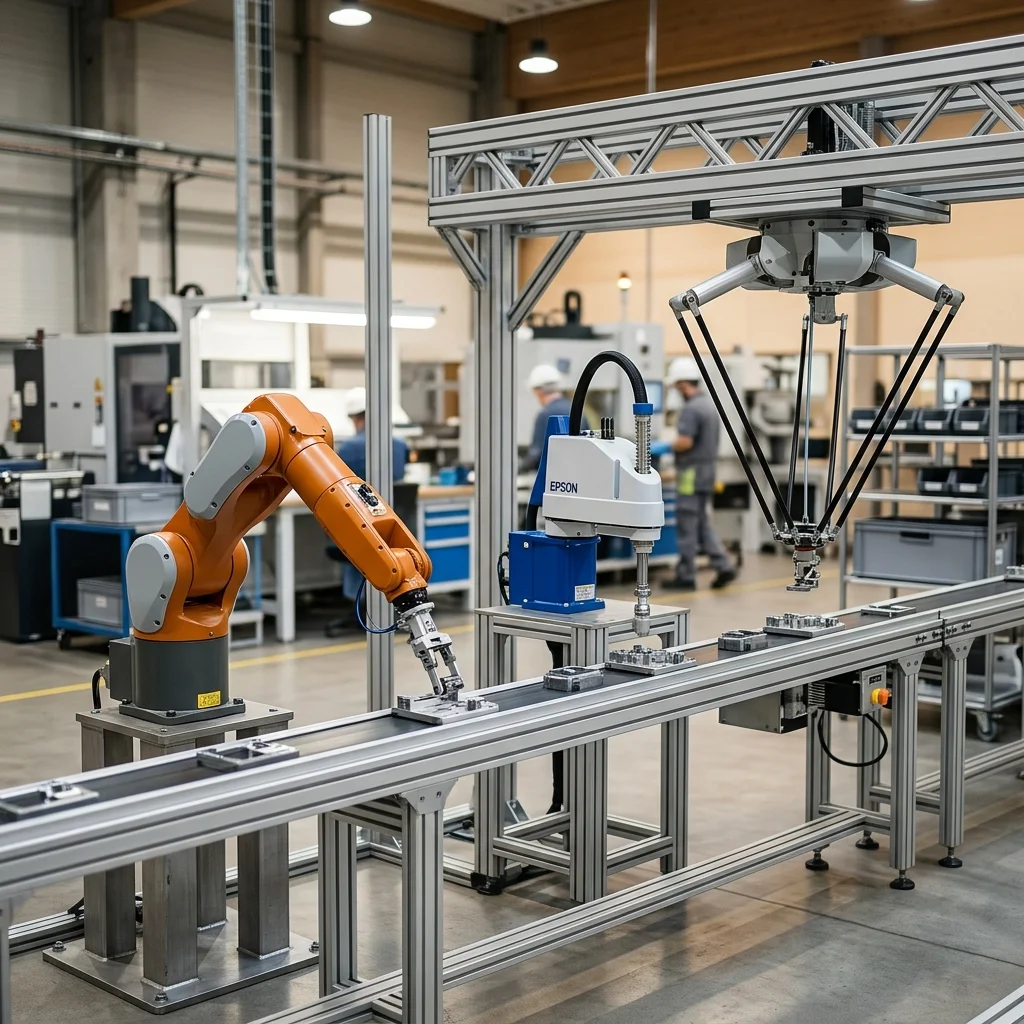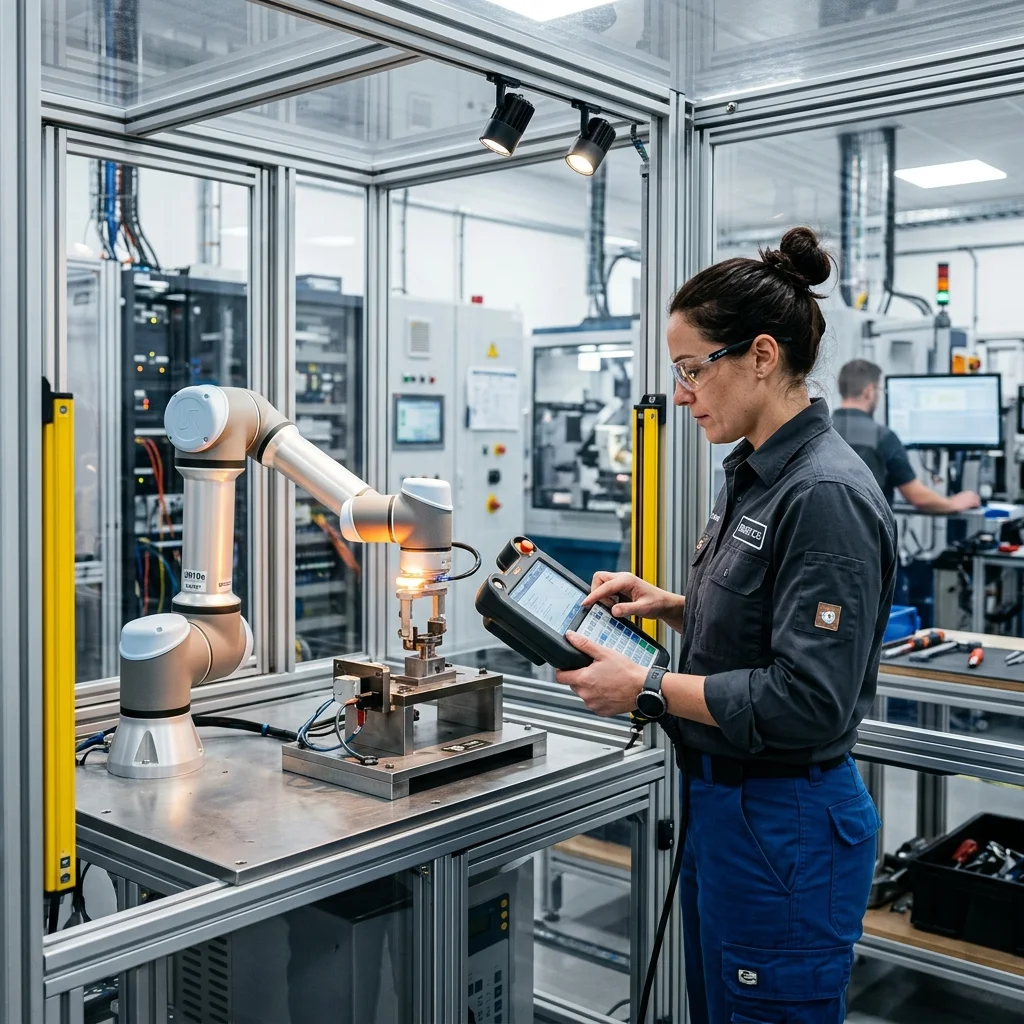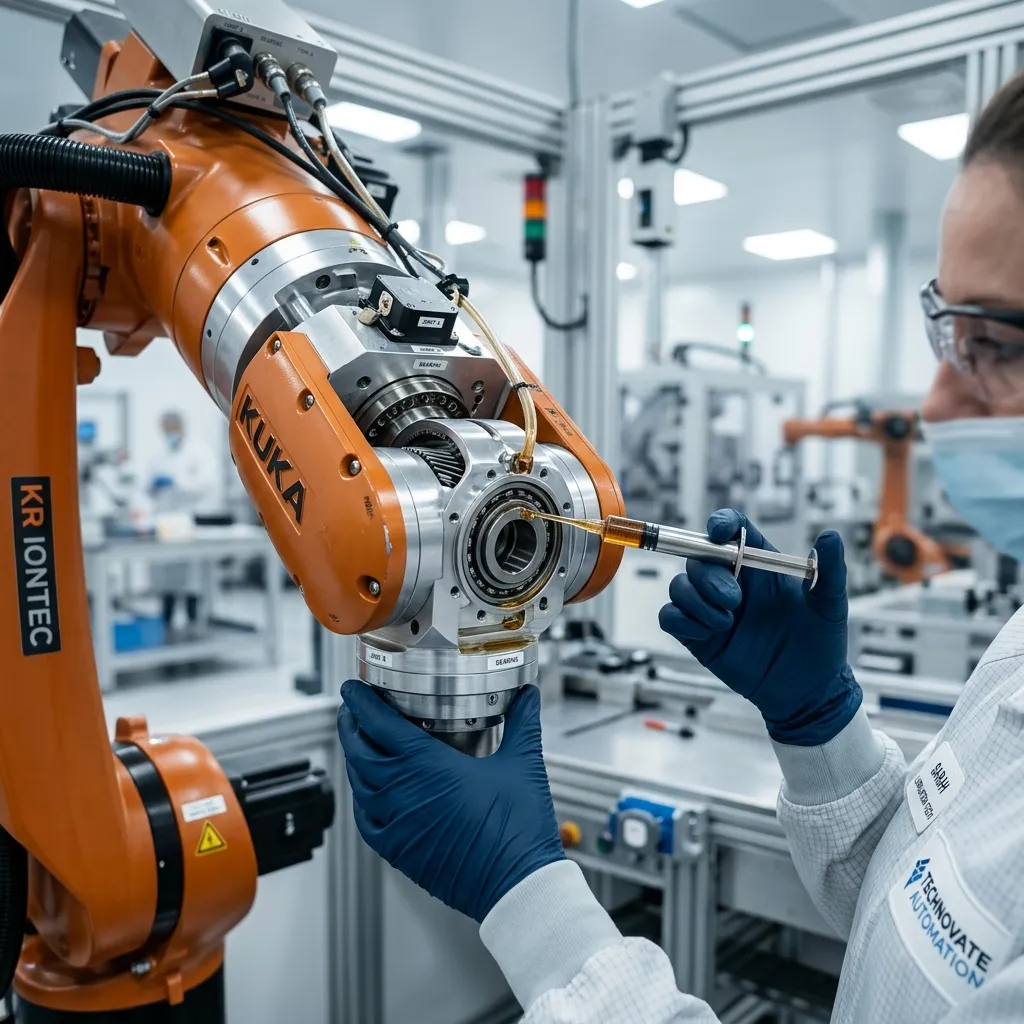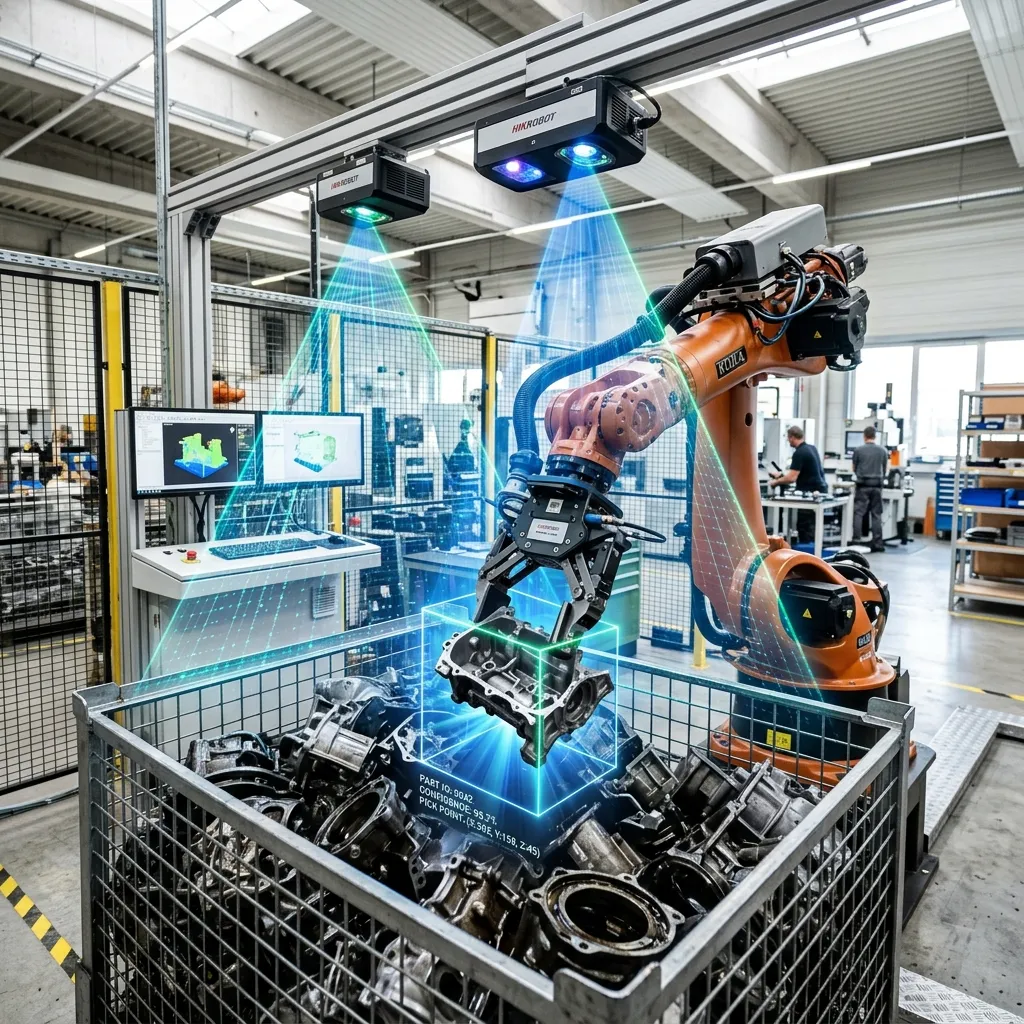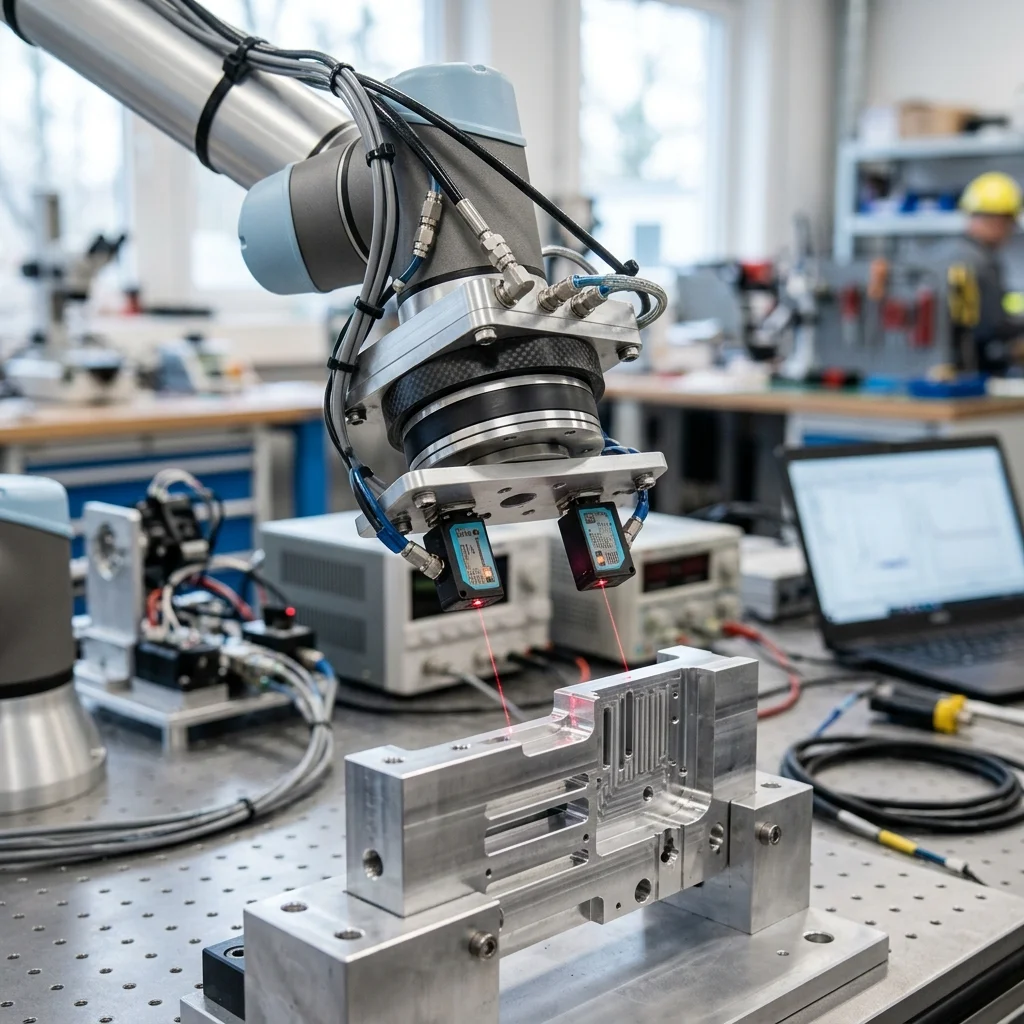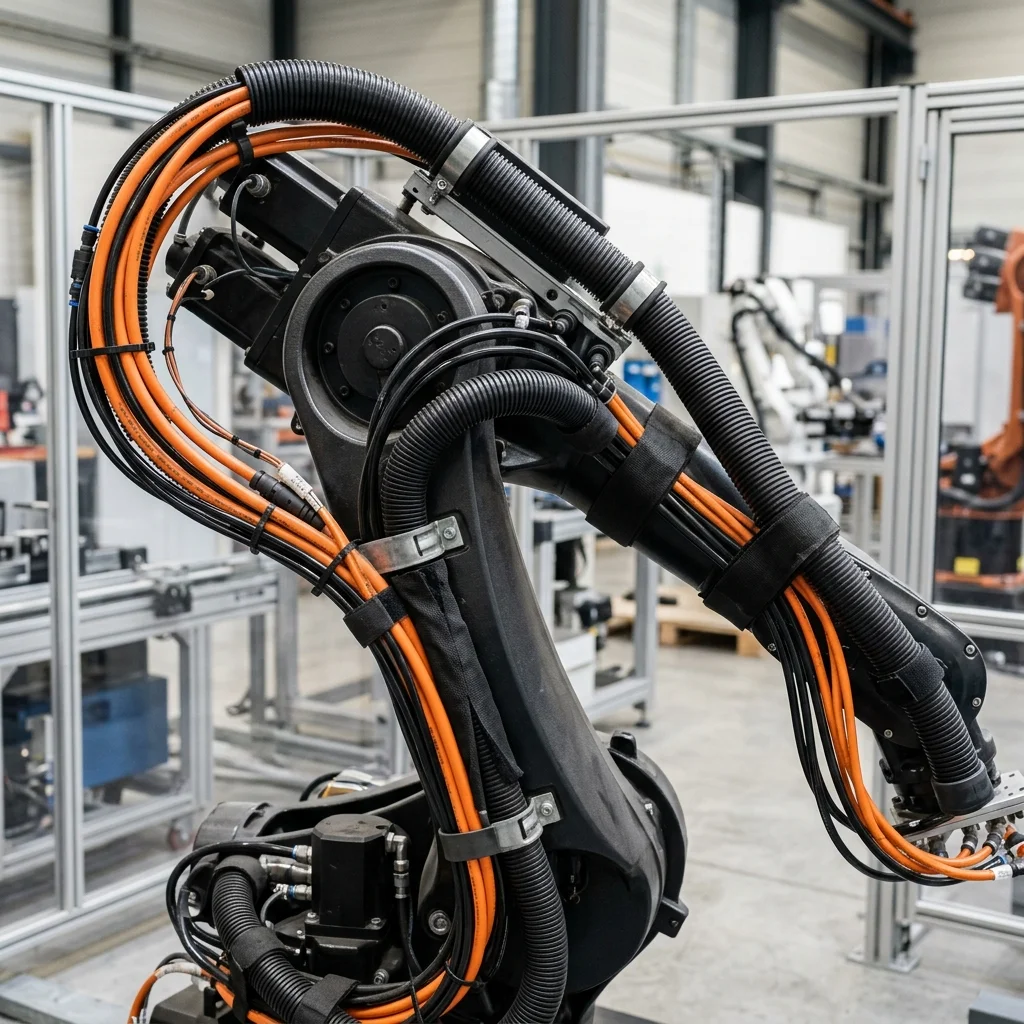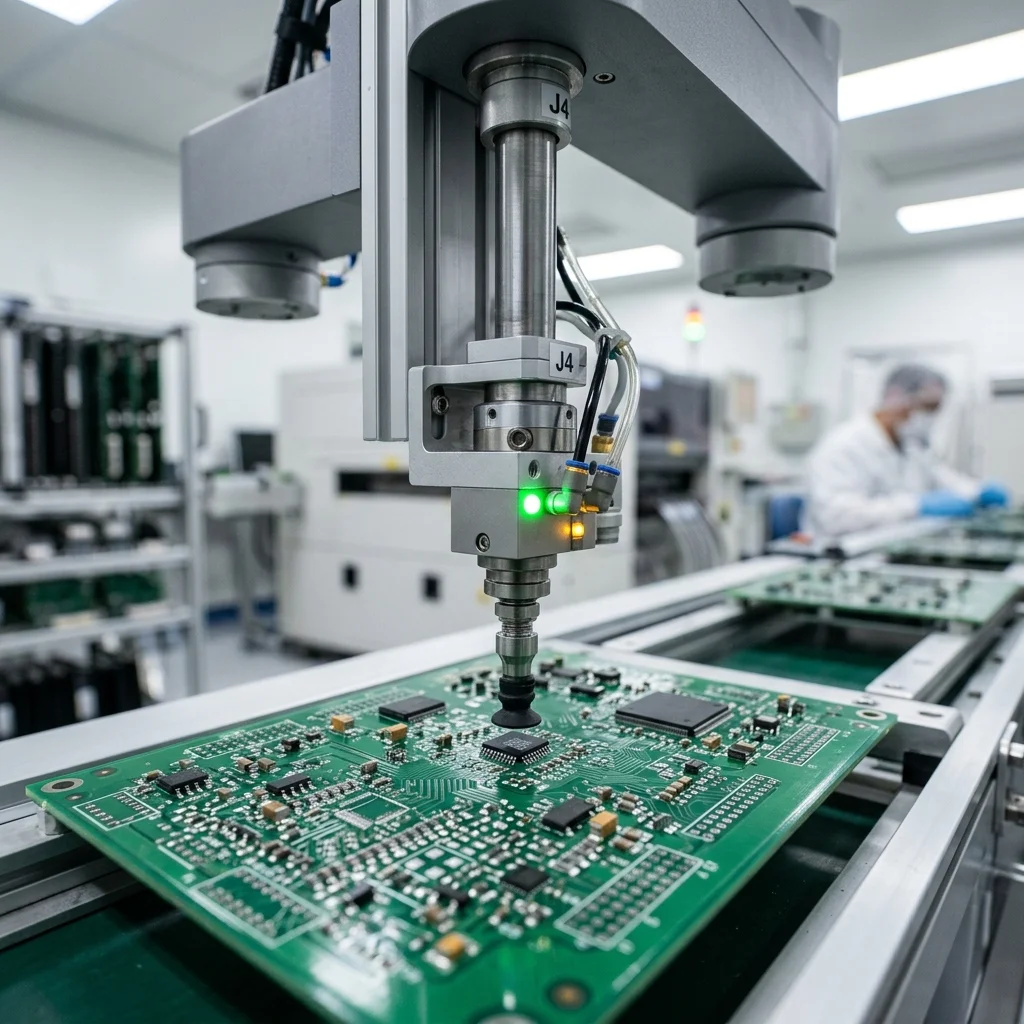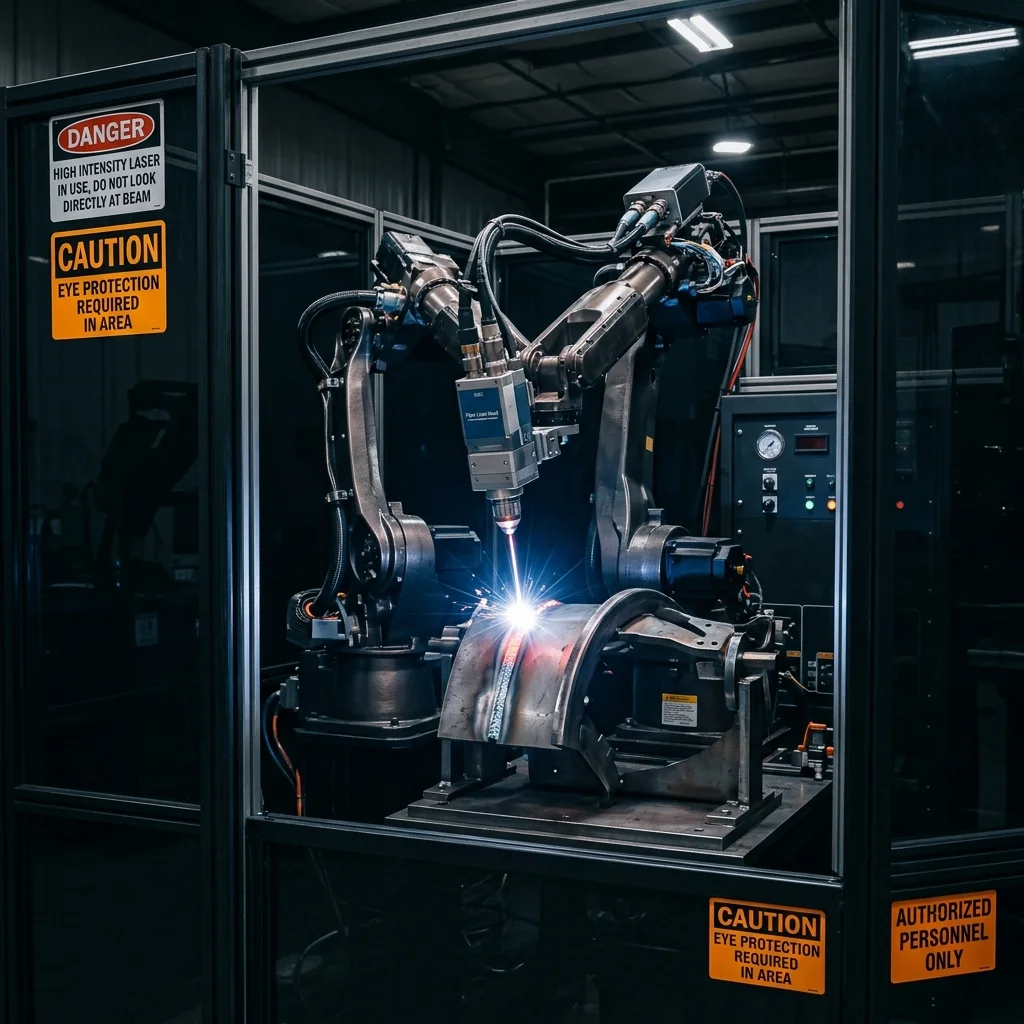
A successful robotics project budget must account for expenses far beyond the retail cost of the robot arm, which typically represents only 30% of the total investment. The remaining 70% is distributed across custom end-effectors, safety fencing, PLC integration, floor preparation, and operator training. Calculating the true Return on Investment (ROI) requires balancing these upfront capital expenditures against long-term gains in cycle time, quality yield, and reduced labour costs.
Demystifying the Total Cost of Ownership (TCO)
Many first-time automation buyers suffer from 'sticker shock' when they discover that the purchase price of the robot arm is only a fraction of the total system cost. A common rule of thumb in industrial automation is the 'rule of thirds': one-third of the budget goes to the robot and peripheral hardware, one-third goes to engineering design and integration, and one-third goes to safety systems, installation, and commissioning. Failing to plan for this distribution will compromise the project's viability.
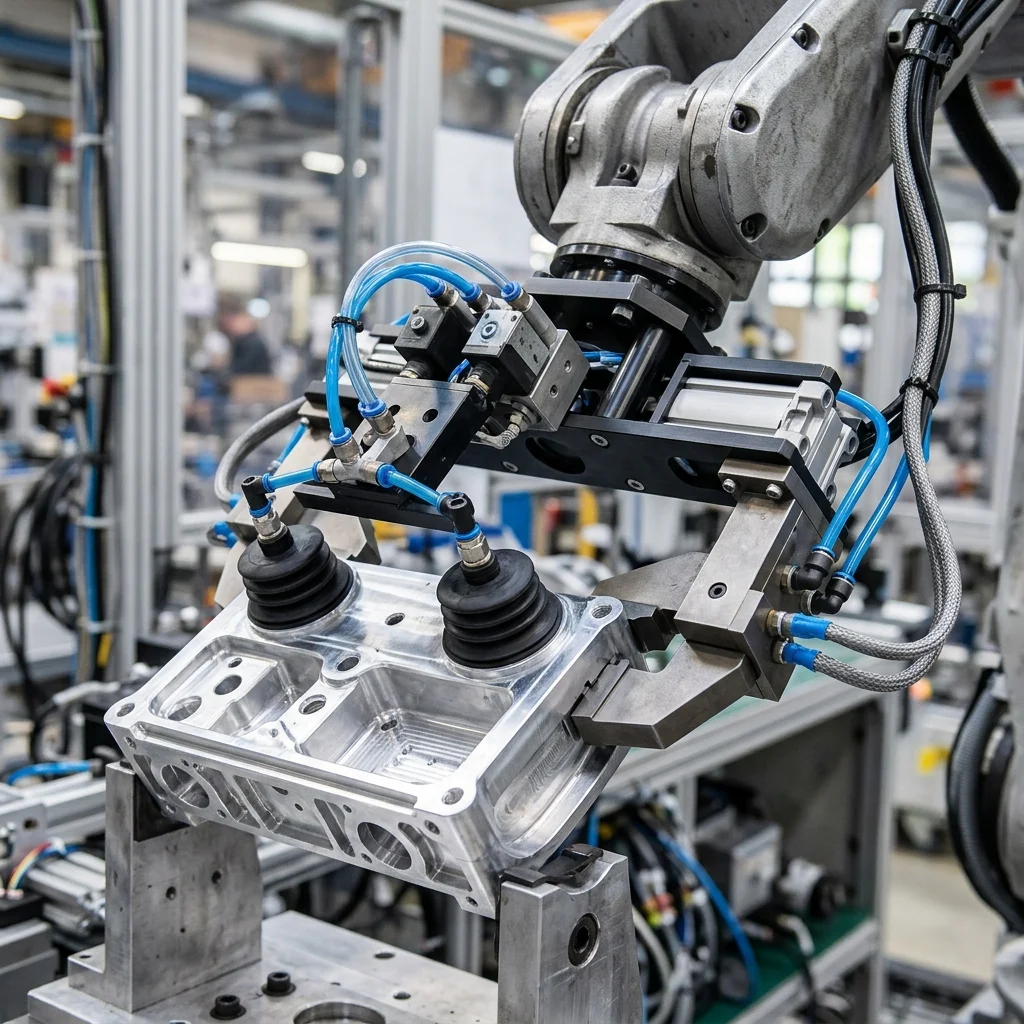
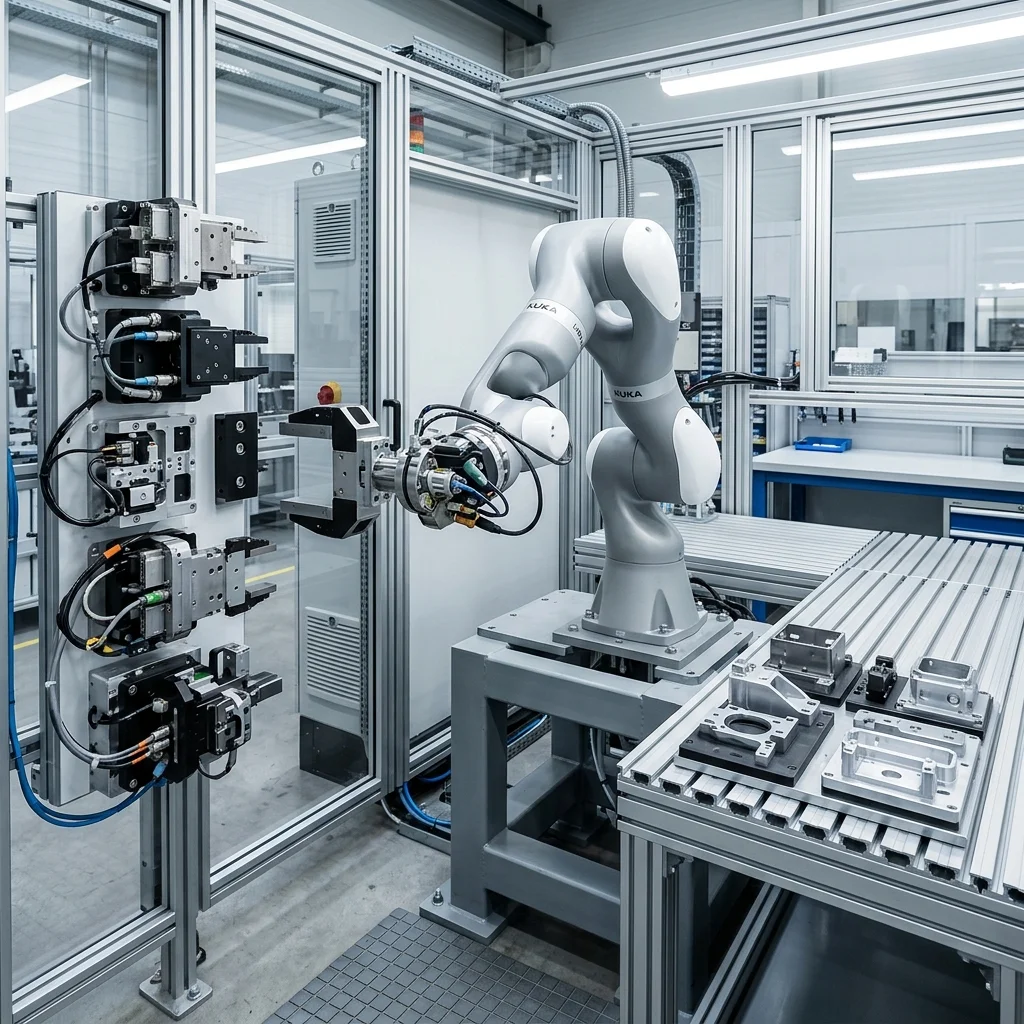
Failing to budget for these surrounding elements leads to project delays and budget overruns. For instance, a robot cannot perform a task without an end-of-arm tool (EOAT), which must be custom-designed to match the parts being handled. Similarly, safety regulations dictate that any automated cell must have physical or optical barriers to protect human operators, adding substantial cost to the physical layout and control architecture.
Furthermore, utility supply lines must be considered. Industrial robots require clean, dry compressed air and stable electrical power. In many older facilities, installing dedicated air driers and voltage stabilisers is necessary to prevent component failure. These infrastructure upgrades are often overlooked during the initial feasibility studies, leading to costly modifications during the installation phase.
Breakdown of Integration Engineering and Software Costs
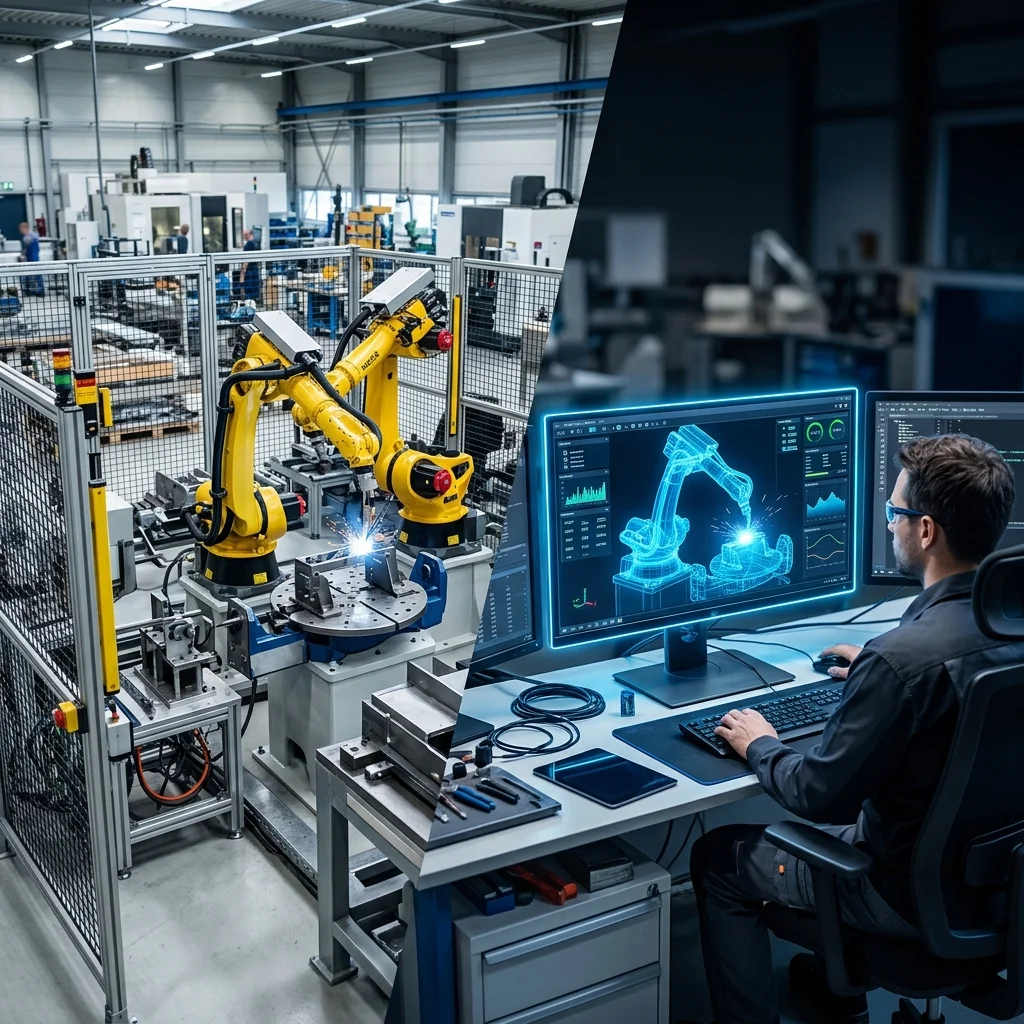
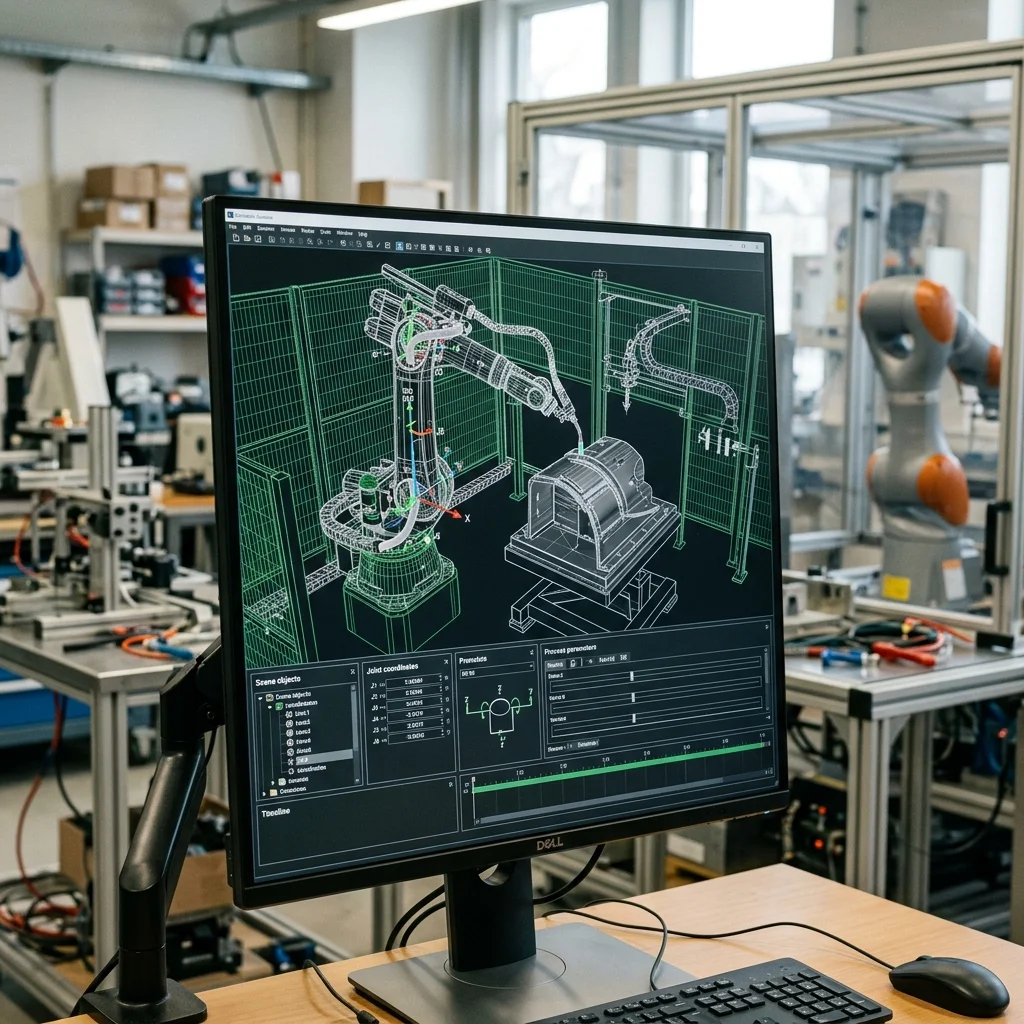
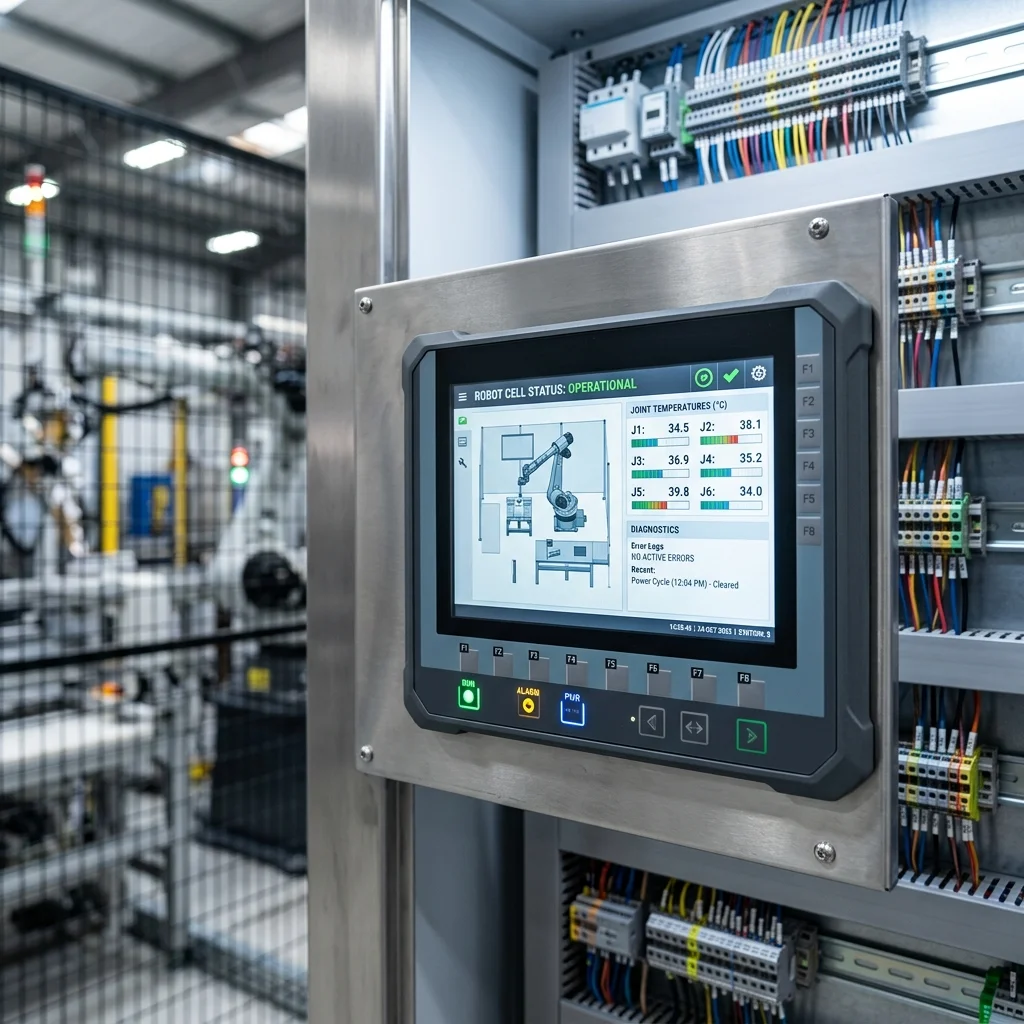
Integration engineering is the intellectual work required to make the robot function within your existing production ecosystem. This includes designing custom brackets, programming PLC (Programmable Logic Controller) handshakes, configuring HMI (Human-Machine Interface) screens, and conducting reach simulations. This engineering labour accounts for a large portion of the integration budget, but it ensures that the cell performs reliably.
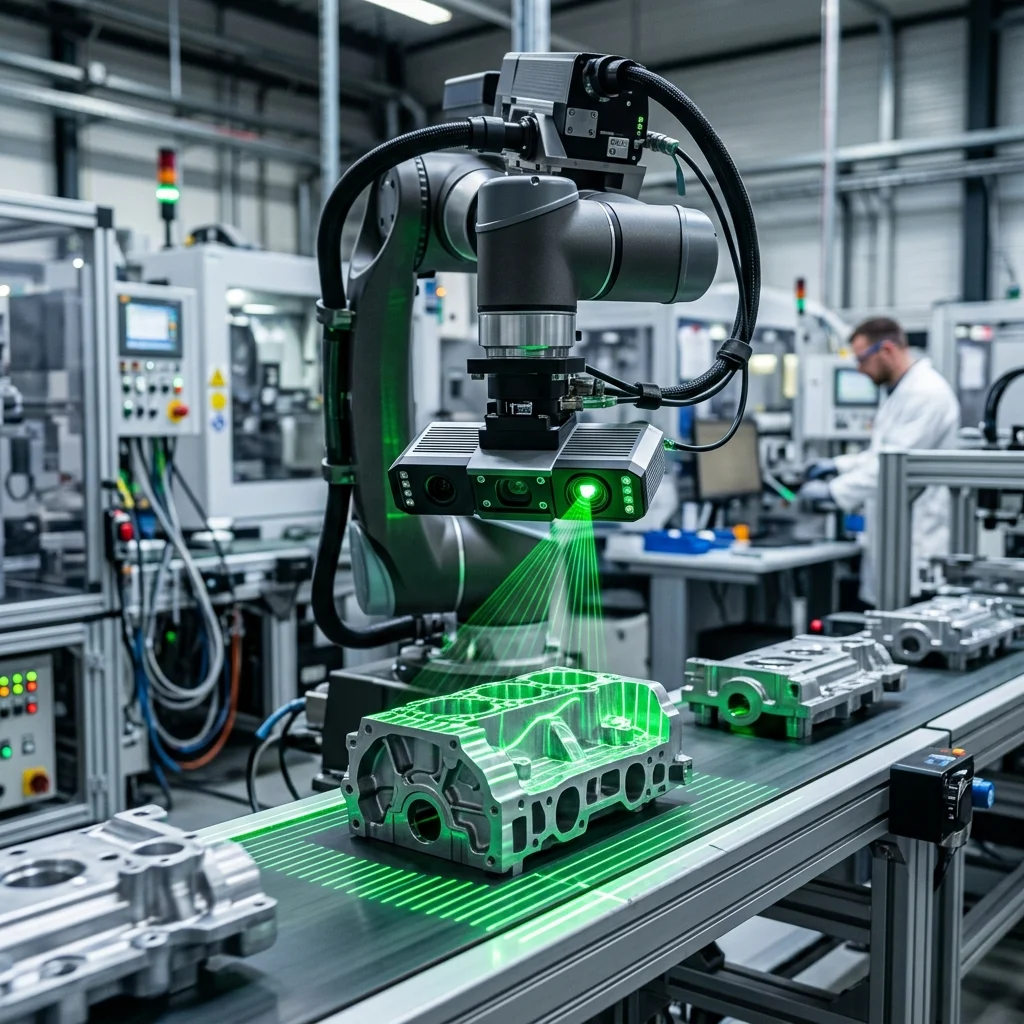
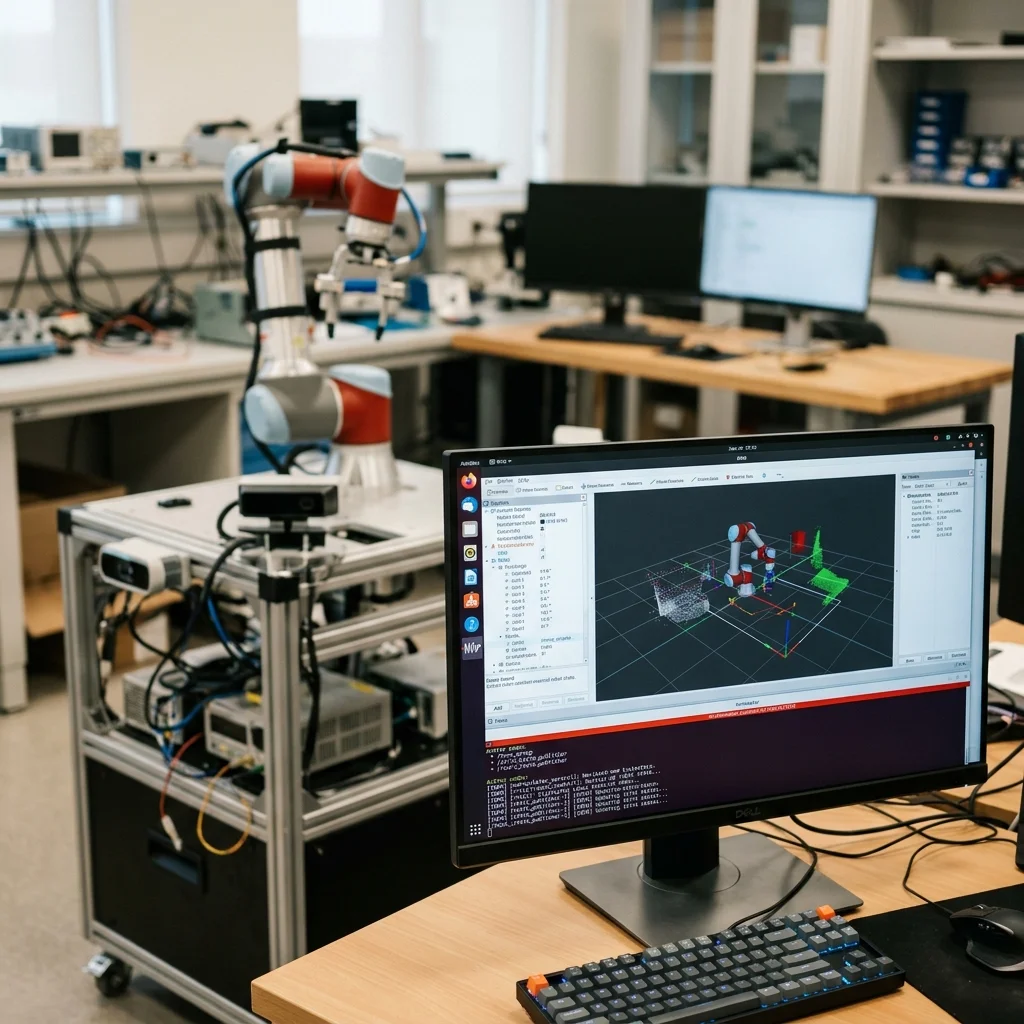
Software licensing is another area that is often overlooked. While basic programming software is sometimes bundled with the robot, advanced packages for offline programming, cycle-time simulation, and machine vision inspection often require annual subscriptions. These software tools are critical for reducing commissioning times, but their costs must be factored into the initial capital expenditure (CapEx) to prevent unexpected outlays.
Additionally, calibration software may be needed to adjust the robot's coordinate system to match the physical cell fixtures. If the application involves multiple parts, the integrator must create flexible recipes in the PLC software, which increases the engineering hours. Investing in high-quality software upfront reduces the time spent debugging code on the factory floor, which is a major driver of project cost.
Safety Systems, Guarding, and Compliance
Compliance with international safety standards (such as ISO 10218 and ISO/TS 15066) is mandatory for any industrial robot installation. Standard safety systems require physical fencing, safety interlocks on access gates, and emergency stop buttons integrated into the main safety circuit. These components are designed to isolate the robot's hazards from human operators, preventing accidents.
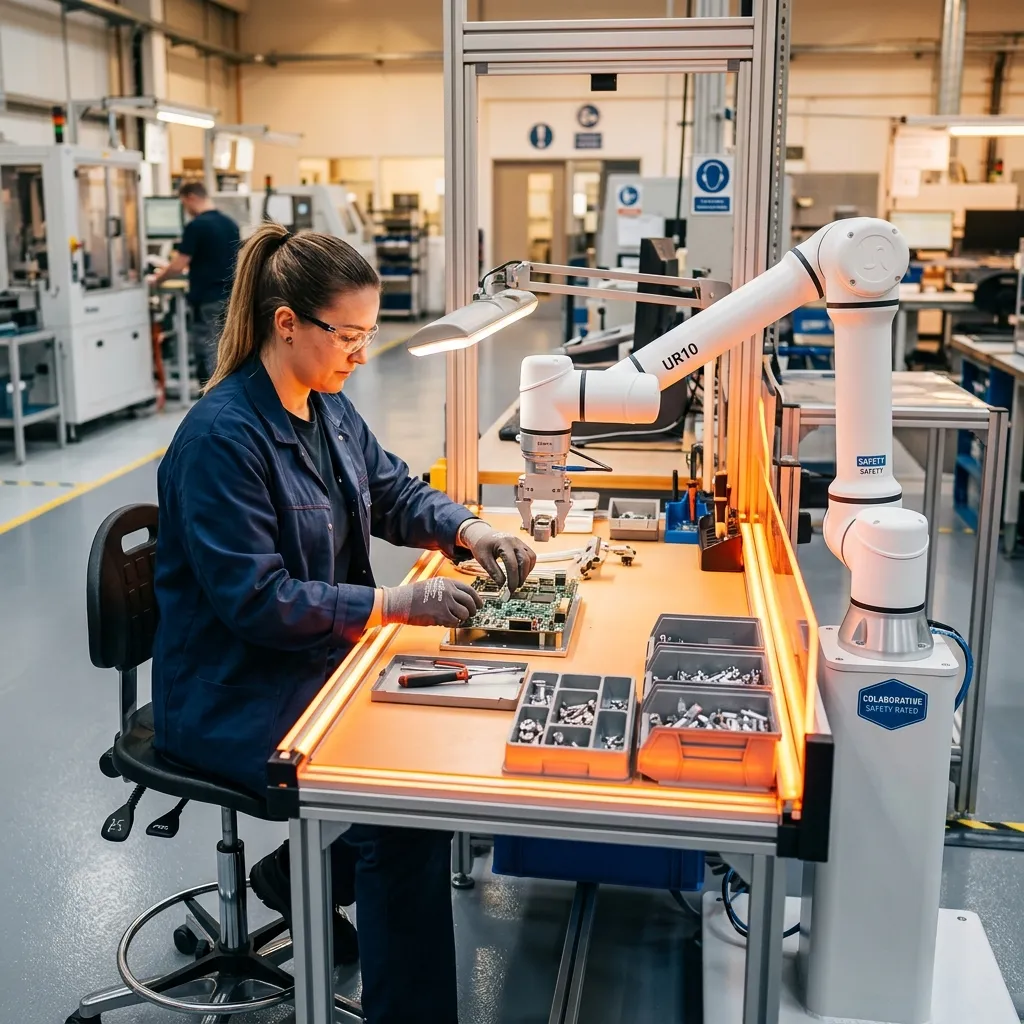
If the application requires human-robot collaboration, the cell must be equipped with area scanners, light curtains, or force-limiting sensors. While collaborative robots (cobots) can sometimes run without physical fencing, they still require a comprehensive risk assessment. The engineering time and hardware required to document and implement these safety features can easily add 15% to 25% to the total project budget.
A failure to implement compliant safety systems can result in severe regulatory penalties and, more importantly, industrial accidents. Guarding must be designed to withstand the physical forces of a robot collision at full speed. This means using structural steel framing and polycarbonate panels rather than lightweight barriers, raising the hardware costs but securing the workplace.
Maintenance, Training, and Operational Expenditures (OpEx)
Once a robotic cell is in production, it transitions from a CapEx item to an OpEx (Operational Expenditure) item. Routine maintenance is vital to prevent unscheduled downtime. This includes regular grease analysis, battery replacements for encoder backups, and belt tension adjustments. Skipping these steps can lead to gearbox failures, which are expensive to repair and result in production halts.
Operator training is another essential ongoing cost. A robotic system is only as good as the team running it. Line operators must be trained to clear minor faults, recover the robot after an emergency stop, and perform basic teaching of points. Neglecting operator training leads to longer recovery times when errors occur, directly dragging down the system's return on investment.
Maintenance contracts with the integrator or the robot manufacturer should be factored into the yearly budget. These contracts often include annual calibration, software updates, and priority support. While they add to the OpEx, they provide insurance against catastrophic failures, helping to keep the production line running predictably year after year.
ROI and Payback Period Calculations
To justify the automation project to company stakeholders, you must construct a clear financial model. The payback period is the most common metric used, calculated by dividing the total capital cost by the annual savings. However, a detailed analysis should also consider the internal rate of return (IRR) and net present value (NPV) over a five-to-ten-year horizon.
Calculating annual savings requires looking beyond direct labor savings. You must include the reduction in scrap and rework, increased throughput, and lower energy costs compared to manual operation. In many cases, the quality gains from consistent robotic execution provide greater savings than labor reduction alone. Scrap material reductions directly impact the bottom line.
Finally, consider the tax benefits. Many regions offer tax depreciation schedules or automation grants to encourage manufacturers to upgrade their facilities. Applying these incentives reduces the net cost of the project and shortens the payback period, making the investment highly attractive to financial decision-makers.