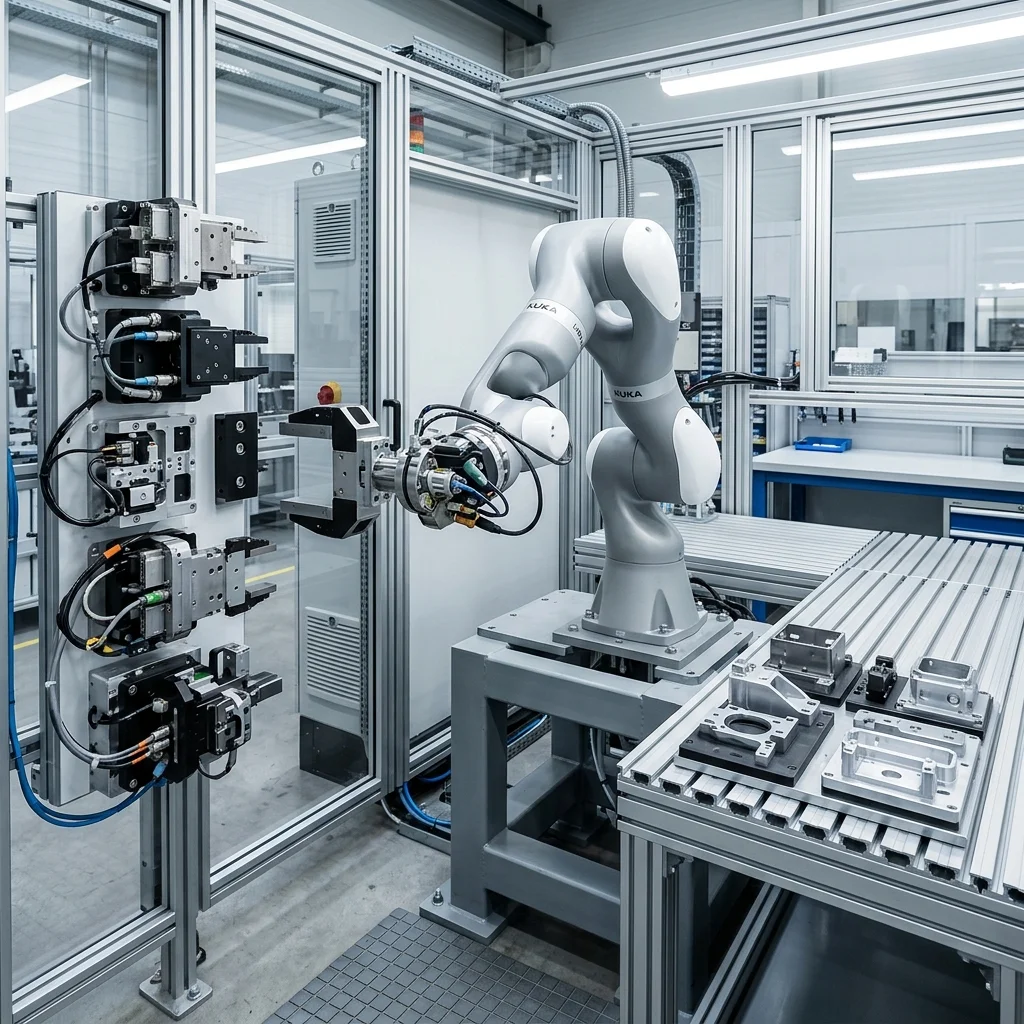
Choosing the correct End-of-Arm Tooling (EOAT) is critical to ensure reliable part handling and prevent workpiece damage. Vacuum grippers are optimal for flat, non-porous sheets; mechanical jaws provide high clamping forces for structured metal workpieces; and magnetic lifters excel at moving ferrous parts without requiring complex claw geometries or air supplies.
The Critical Role of End-of-Arm Tooling (EOAT) in Robotic Systems
An industrial robot arm is essentially a highly flexible positioning system, but it cannot perform a task without an end effector. The end-of-arm tooling (EOAT) is the physical interface between the robot and the workpiece, and its design directly impacts the reliability, cycle time, and safety of the automation cell. Selecting the wrong gripper can lead to dropped parts, damaged components, and unscheduled downtime.
EOAT design has evolved from simple mechanical clamps into complex, sensor-rich systems that can adapt to different part geometries and materials. Today, engineers can choose from a wide range of standard grippers or design custom tooling using 3D printing and modular components. The three most common types of end effectors used in material handling are vacuum grippers, mechanical claws, and magnetic lifters.
When selecting an end effector, engineers must evaluate the physical properties of the workpiece, including its weight, surface finish, material composition, and geometric tolerances. The gripper must not only support the weight of the part, but also withstand the acceleration forces generated by the robot during high-speed moves. A thorough analysis of these factors is essential to ensure a reliable deployment.
Vacuum Grippers: Design, Suction Cups, and Air Supplies
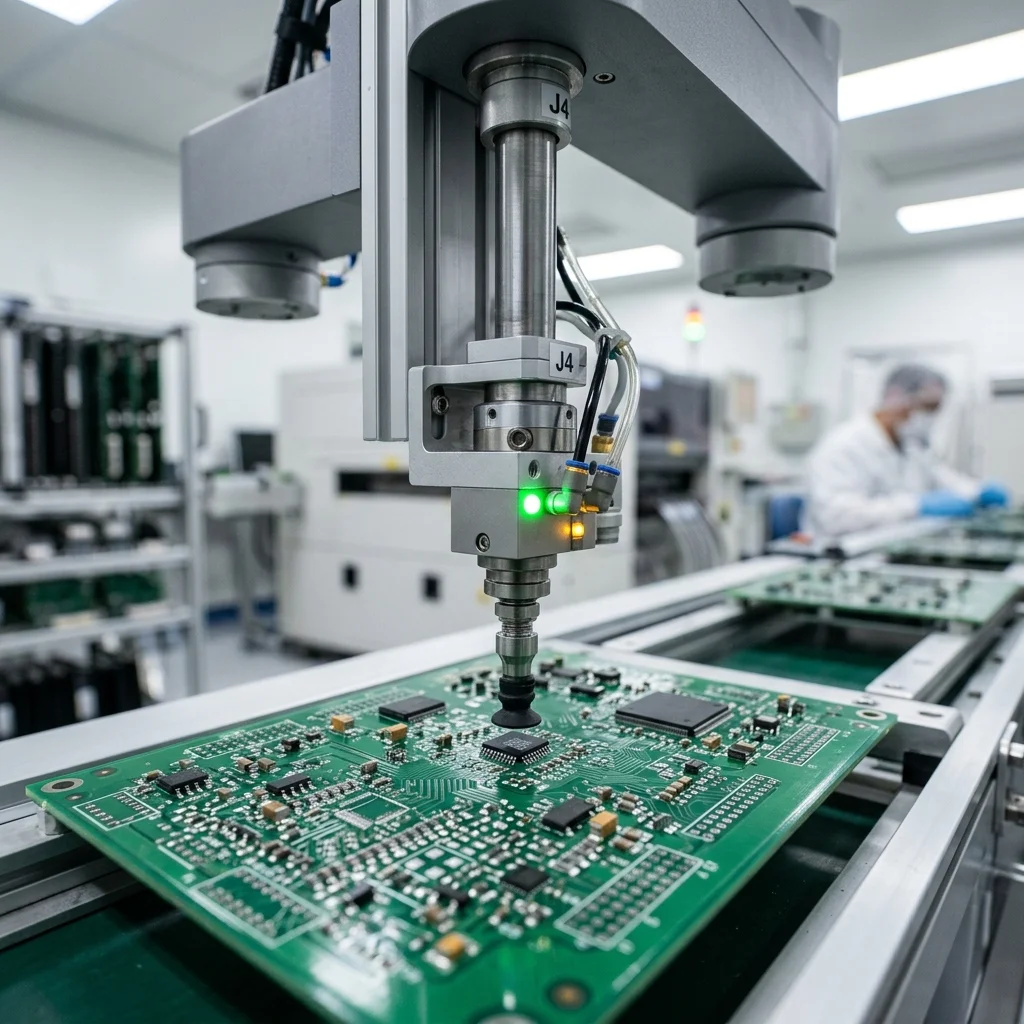
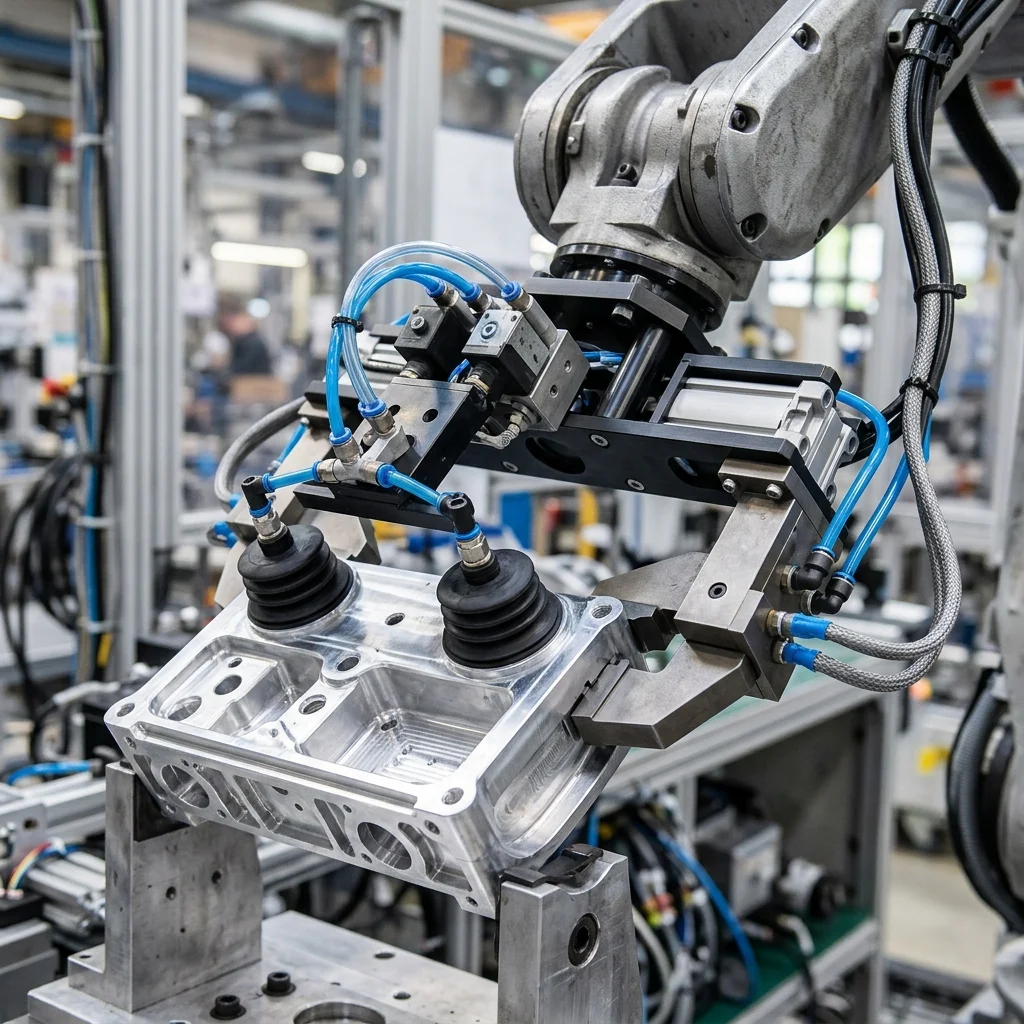
Vacuum grippers are widely used for handling flat, smooth, and non-porous materials such as sheet metal, glass panels, cardboard boxes, and plastic parts. They operate by creating a pressure differential between the inside of a suction cup and the ambient atmosphere, generating a holding force. Vacuum systems are lightweight, simple, and can handle a wide range of part sizes without mechanical adjustments.
The design of a vacuum gripper requires careful selection of suction cup materials and configurations. Nitrile rubber cups offer excellent wear resistance and are suitable for oily sheet metal, while silicone cups are preferred in food processing and high-temperature environments. Bellows cups are useful for handling curved or uneven surfaces, as the bellows compress to adapt to height variations.
Air supply configuration is another critical parameter. Integrators must choose between venturi ejectors, which use compressed air to generate vacuum locally at the gripper, and electric vacuum pumps, which run on electricity and do not require shop air. Venturi systems are fast and lightweight, but they consume significant compressed air. Electric pumps are more energy-efficient but add weight and complexity to the arm.
Mechanical Grippers: Clamping Forces, Jaws, and Tolerances
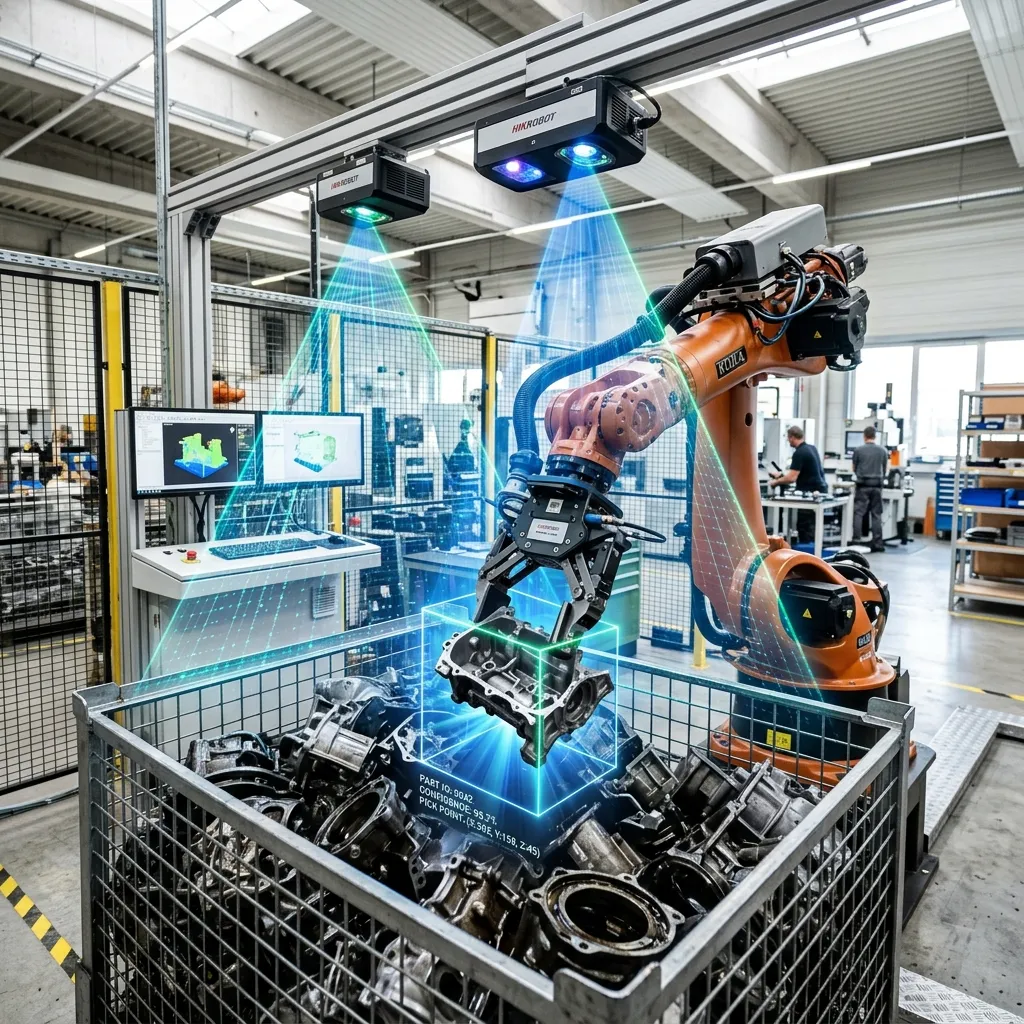
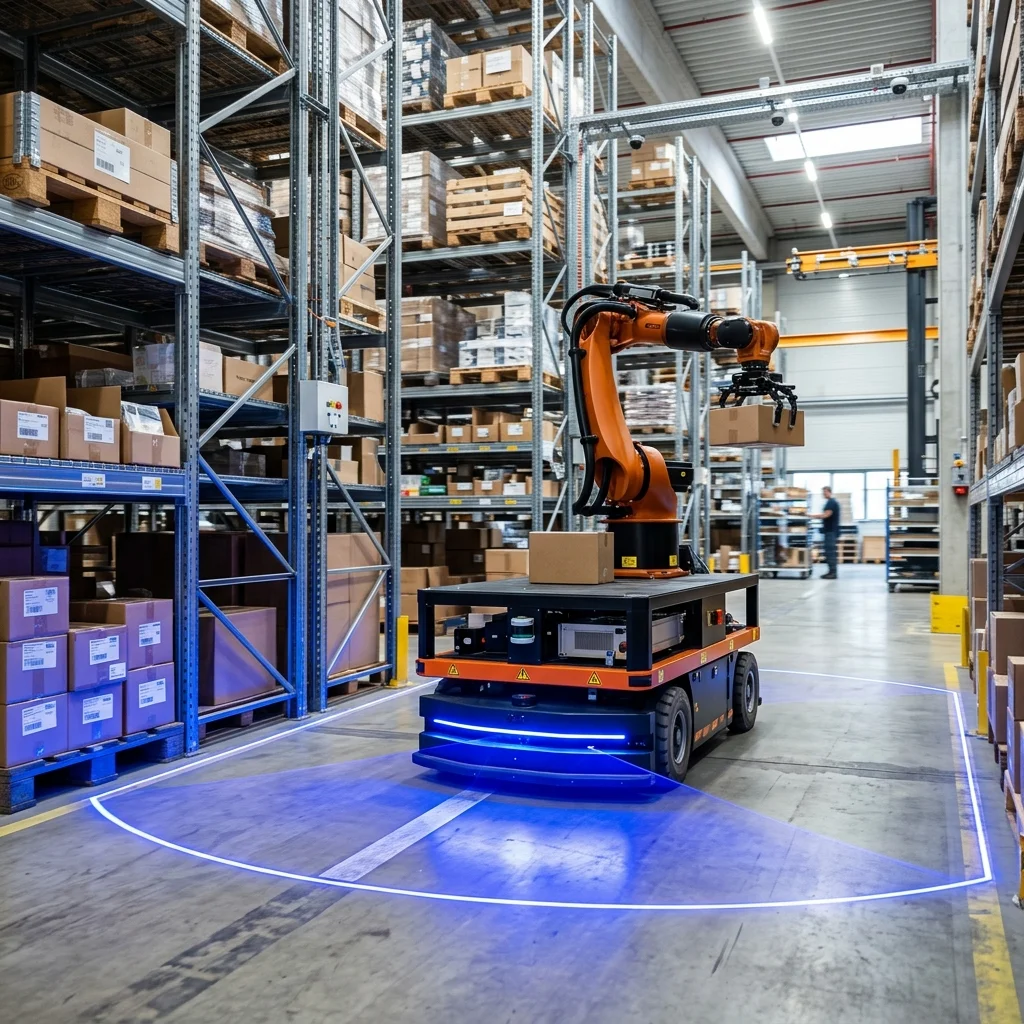
Mechanical grippers use physical jaws or claws to hold the workpiece, providing a secure grip that is resistant to slippage. They are the standard choice for handling structured parts, such as machined castings, shafts, and injection-molded components. Mechanical grippers are available in pneumatic, hydraulic, or electric configurations, with pneumatic models being the most common due to their reliability and power-to-weight ratio.
The jaw design must match the geometry of the workpiece. Parallel grippers move two jaws inline, which is ideal for flat, rectangular parts. Centric grippers use three jaws that close toward a central point, making them suitable for cylindrical objects like gears or pipes. Custom fingers are often machined from aluminum or 3D-printed from engineering plastics to cradle the part and distribute clamping forces evenly.
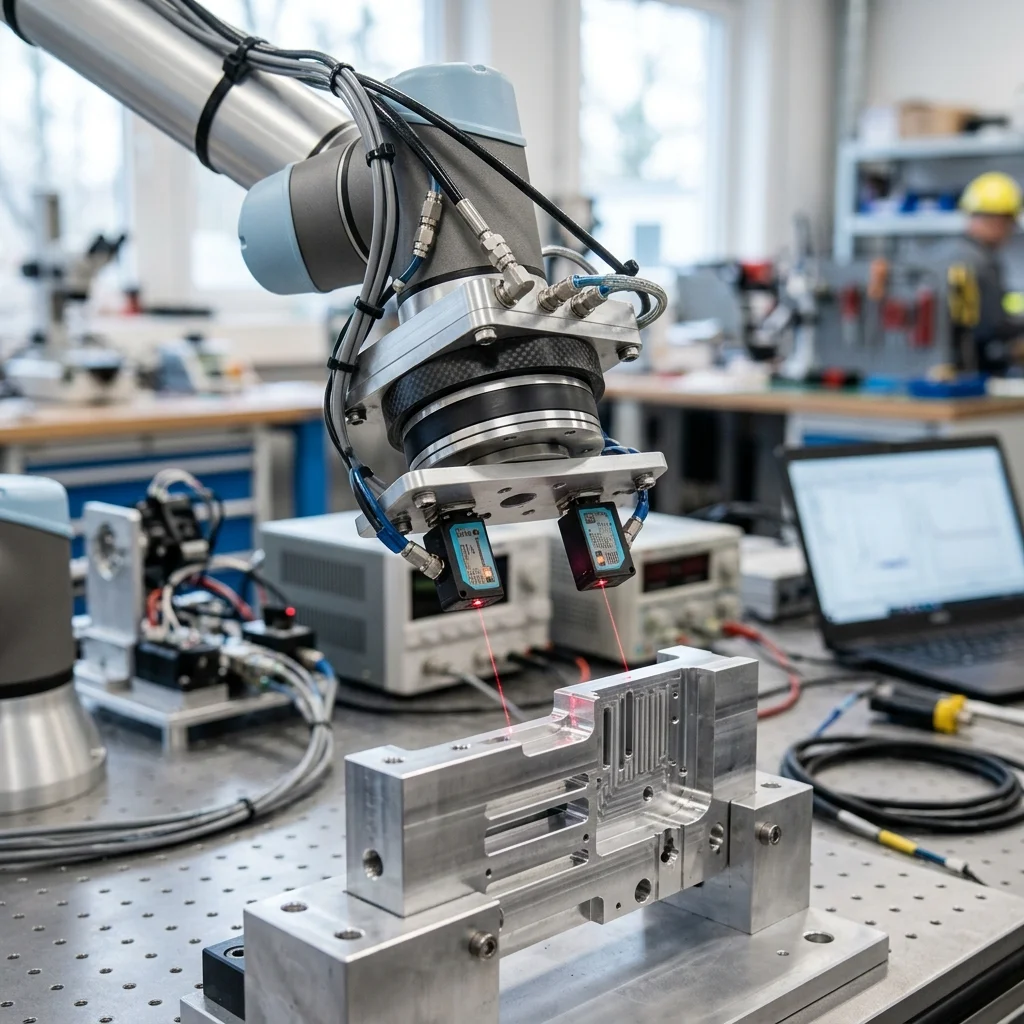
When budgeting for mechanical grippers, engineers must calculate the required gripping force. This force depends on the weight of the part, the coefficient of friction between the jaw fingers and the workpiece, and the robot's acceleration. For safety, a safety factor of at least 3 should be applied. Mechanical grippers must also incorporate sensors (like magnetic reed switches or inductive sensors) to confirm that the gripper is fully open or closed, preventing path execution if a part is missed.
Magnetic Grippers: Permanent, Electro-Permanent, and Ferrous Parts
Magnetic grippers are a highly efficient choice for handling ferrous metal parts, such as stamped steel panels, cast iron blocks, and structural steel channels. They eliminate the need for custom jaw geometries or complex suction cup configurations, as the magnetic force holds the part secure. Magnetic grippers are widely used in sheet metal stamping lines and machine tending applications.
There are three primary types of magnetic grippers: permanent magnets, electromagnets, and electro-permanent magnets. Permanent magnets are activated and deactivated mechanically by moving the magnet inside a housing using pneumatic cylinders. Electromagnets require a continuous supply of electricity to maintain the magnetic field. Electro-permanent magnets use an electrical pulse to switch the magnetic state, requiring no power to maintain the grip, which is the safest option in the event of a power failure.
The holding force of a magnetic gripper depends on the thickness of the workpiece and the surface condition. Thin sheet metal can saturate magnetically, reducing the maximum holding force. Similarly, scale, rust, or paint on the surface of the part acts as an air gap, reducing the magnetic attraction. Engineers must test the magnetic gripper with the actual workpieces under production conditions to ensure a safe, reliable grip.
A Comparative Guide to End Effector Performance
To choose the optimal end effector, engineers should compare the key performance characteristics of each technology. First, vacuum grippers handle flat, simple surfaces. Mechanical grippers excel at complex, structured geometries. Magnetic grippers are limited to ferrous metals. Second, mechanical grippers offer the most secure grip, making them suitable for high-speed dynamic moves. Vacuum and magnetic grippers can slip if the surface is contaminated with oil or dust.
Third, vacuum and magnetic grippers can handle different part sizes without changing tools. Mechanical grippers require adjustable jaws or tool changers to handle variations. Finally, vacuum cups wear out and must be replaced regularly. Mechanical grippers require lubrication and seal kits. Magnetic grippers have few moving parts and offer the longest lifespan. By analyzing these trade-offs, mechatronics designers can select the end effector that provides the best balance of speed, reliability, and cost, ensuring the success of the automation project.