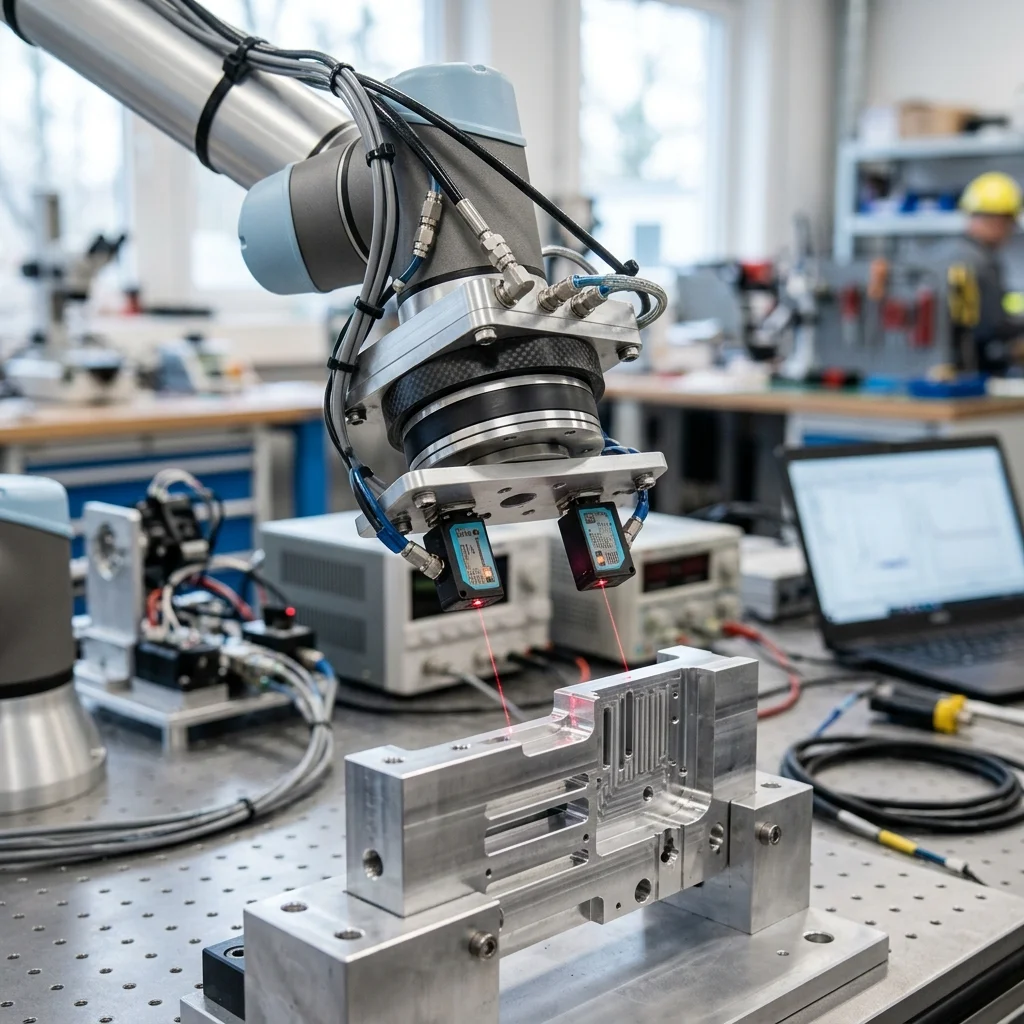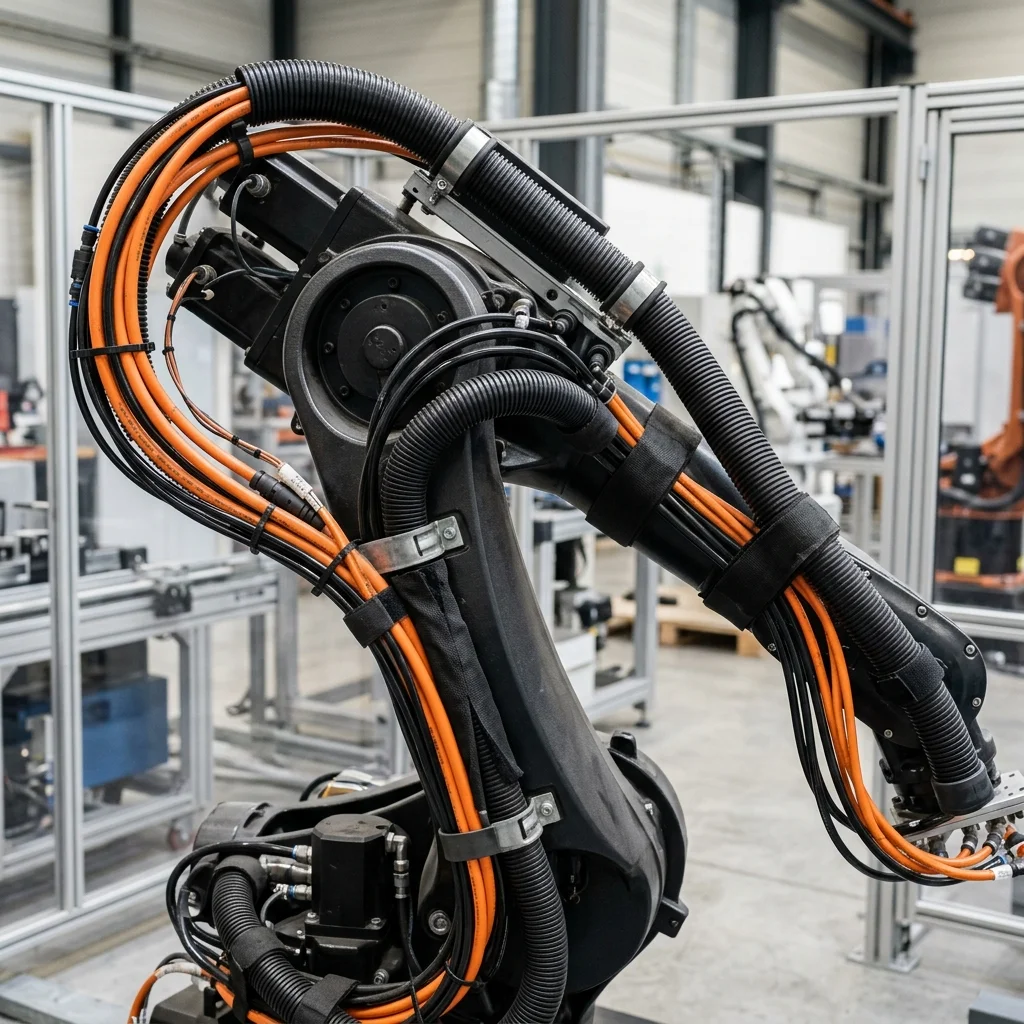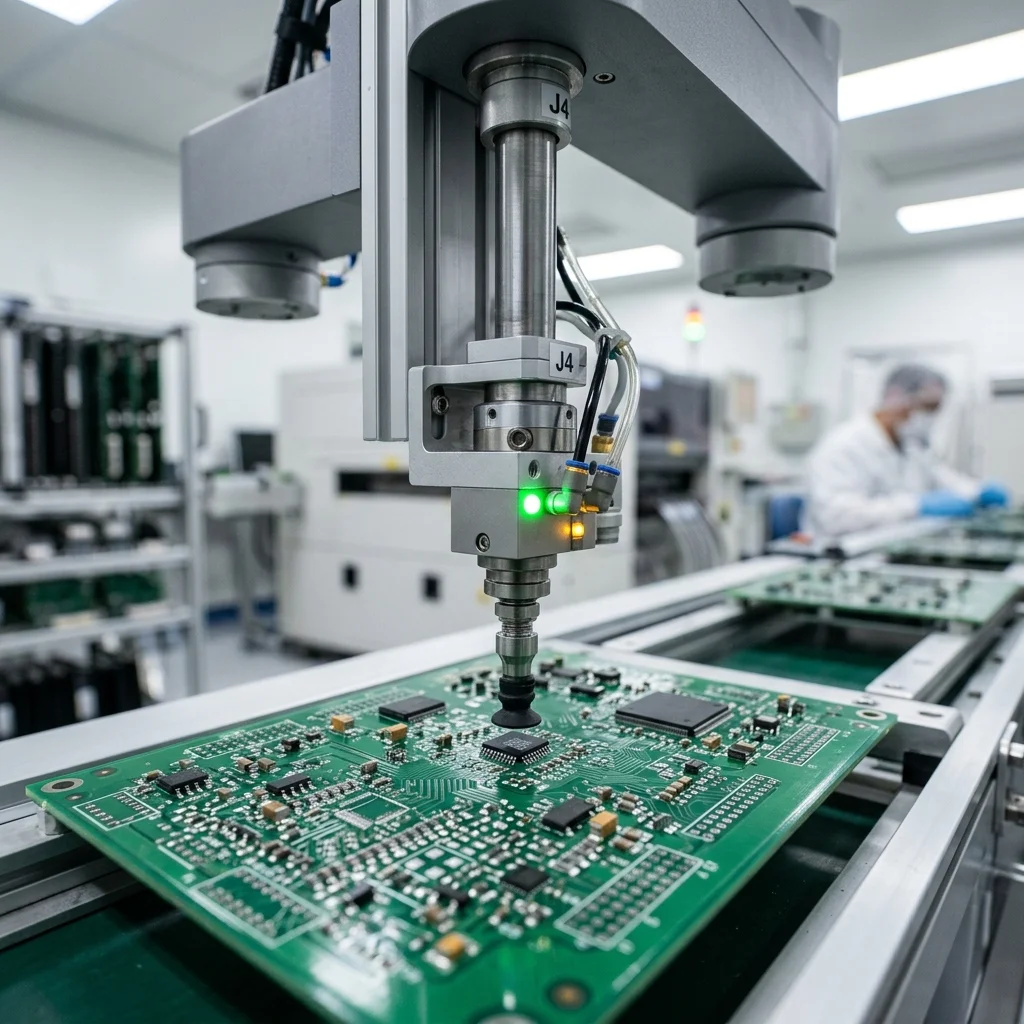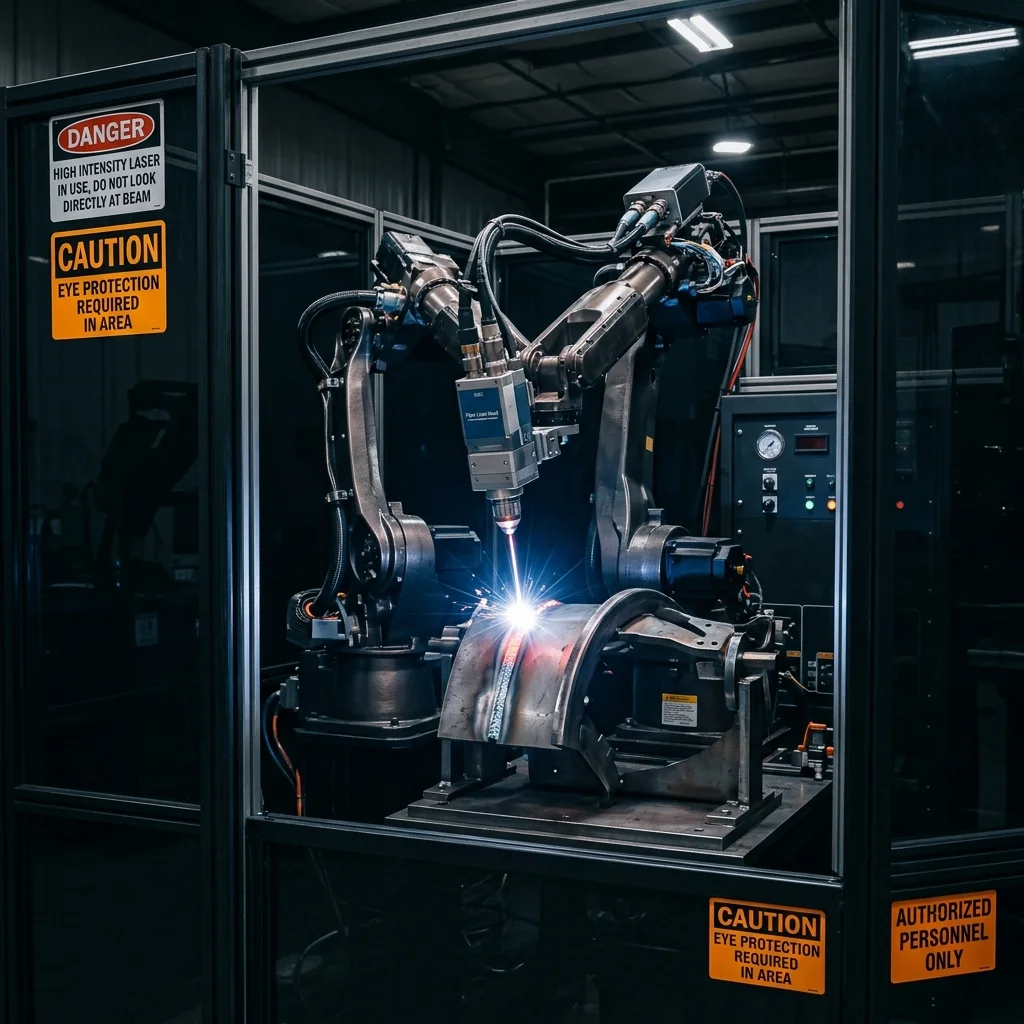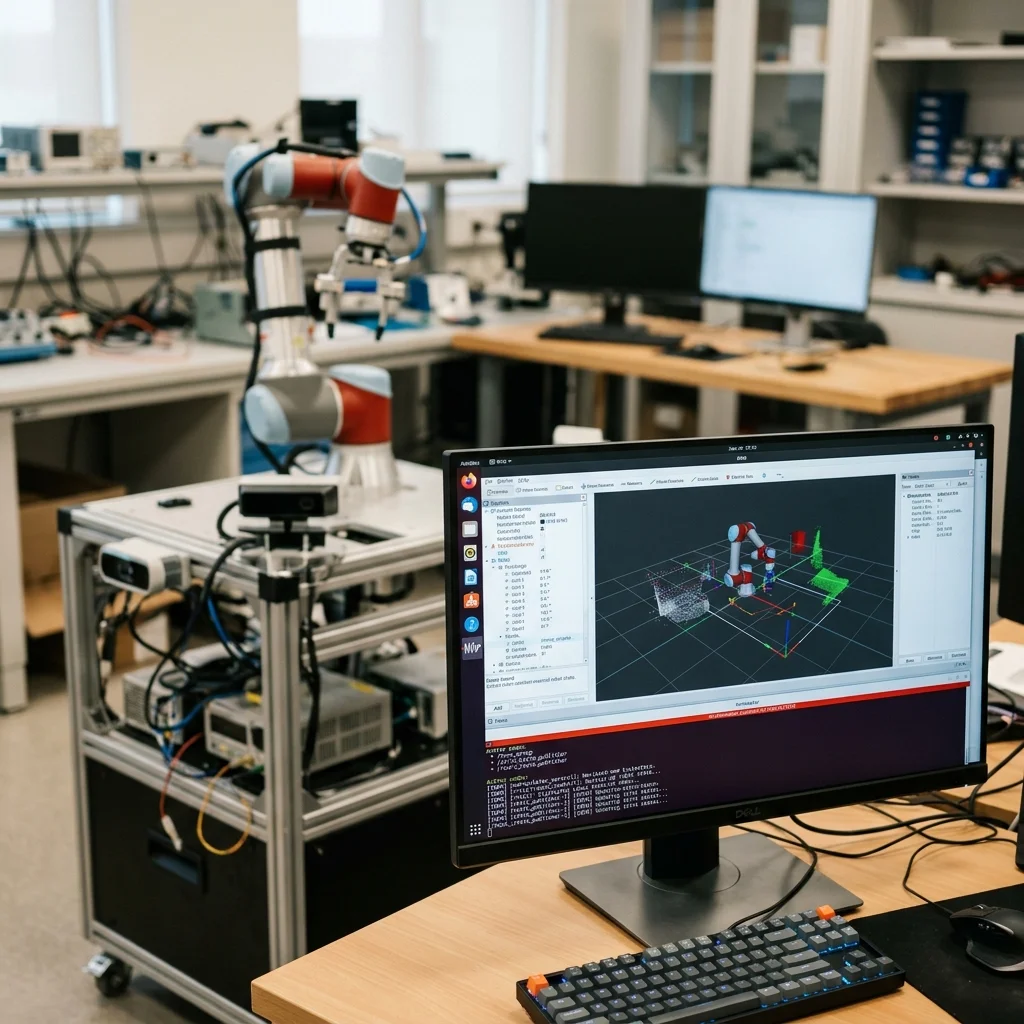
Transitioning from vendor-proprietary programming languages (such as ABB RAPID, KUKA KRL, or FANUC Karel) to ROS2 (Robot Operating System) offers developers cross-platform flexibility, advanced simulation tooling, and access to open-source navigation and manipulation algorithms. However, this transition requires managing challenges in real-time control, system safety certification, and a steeper learning curve for floor operators.
The Fragmentation of Industrial Robot Languages
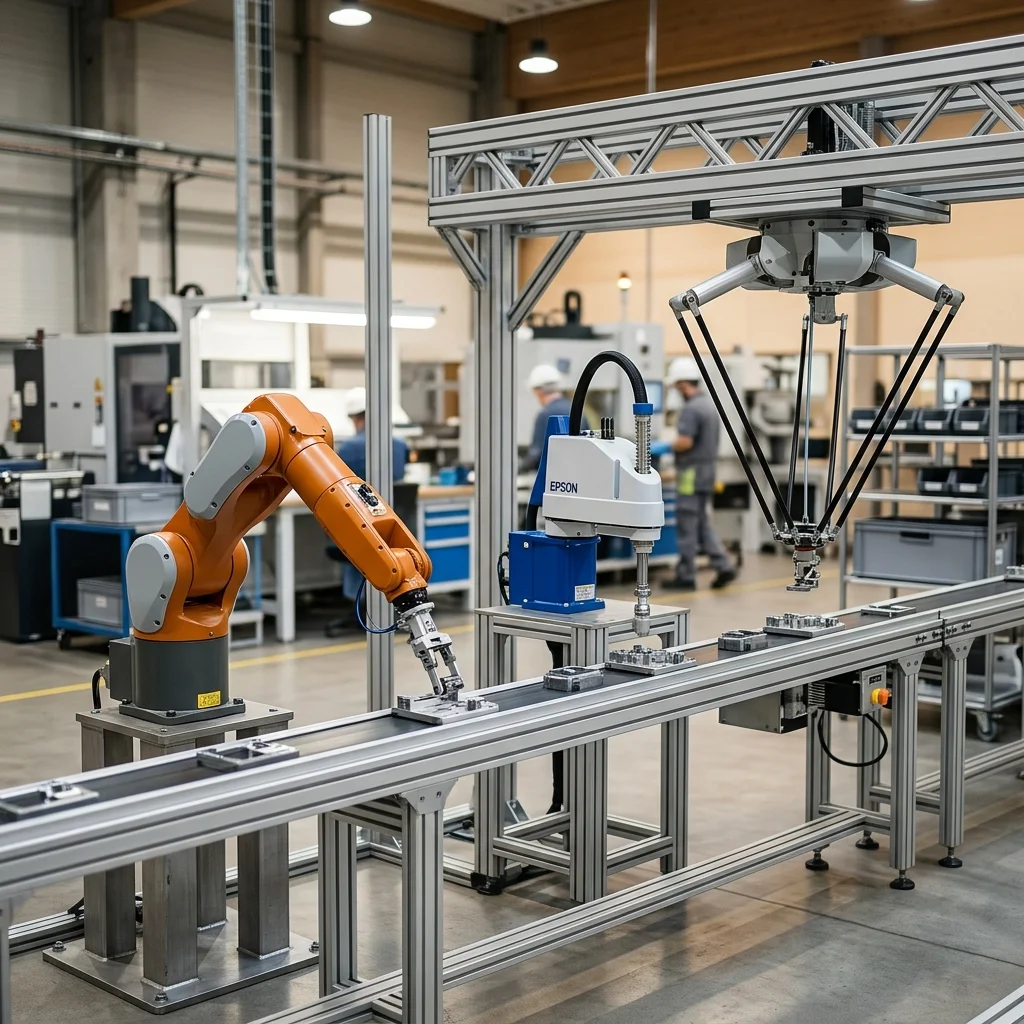
For decades, the industrial robotics landscape has been highly fragmented, with each manufacturer developing its own proprietary programming language. ABB uses RAPID, KUKA utilizes KRL, FANUC relies on Karel and TPE, and Yaskawa employs INFORM. This fragmentation creates significant challenges for manufacturing plants running multi-brand fleets, as engineers must be trained in multiple languages to maintain the line.
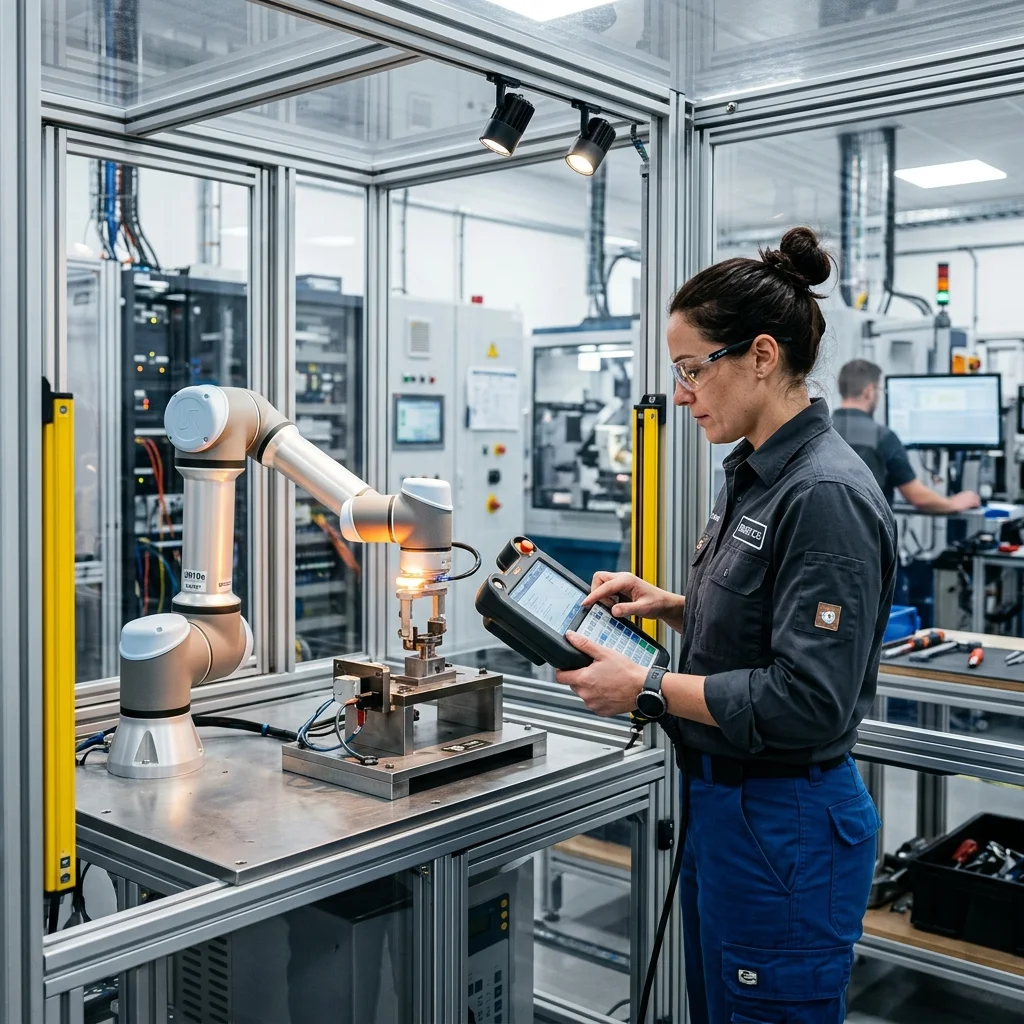
Proprietary languages are designed to be reliable and easy for floor technicians to use via teach pendants. They provide deterministic execution, meaning that commands are executed with precise timing, which is critical for safety and process control. However, these languages are closed systems, making it difficult to integrate advanced algorithms like machine learning, complex path planning, or dynamic sensor feedback without expensive software packages.
ROS2 (Robot Operating System 2) addresses this fragmentation by providing an open-source, standardized framework for robot software development. Written in C++ and Python, ROS2 offers a modular architecture where different functions (like kinematics, path planning, and driver communication) run as independent nodes. This allow developers to write code that can run on an ABB arm just as easily as on a KUKA or FANUC arm.
The Middleware Architecture of ROS2 and DDS
Unlike its predecessor ROS1, which was designed primarily for research and lacked real-time capabilities, ROS2 is built on top of Data Distribution Service (DDS) middleware. DDS is an industrial standard for real-time, secure, and reliable communication. It uses a publish-subscribe architecture that allows nodes to share data across a network with guaranteed Quality of Service (QoS) parameters, such as latency and reliability.
DDS enables ROS2 to meet the demanding requirements of industrial environments. By configuring QoS profiles, developers can ensure that critical messages, like sensor data or motion commands, are prioritized over non-critical data. This capability allows ROS2 to interface directly with real-time operating systems (RTOS) and industrial fieldbuses, bridging the gap between research software and the factory floor.
However, implementing DDS requires a deep understanding of network engineering. Incorrectly configured QoS settings can lead to dropped packets, high latency, or communication timeouts, which can cause the robot to halt unexpectedly. For engineers transitioning from proprietary controllers, mastering DDS configuration is one of the most challenging aspects of adopting ROS2.
Advanced Motion Planning and Simulation Capabilities
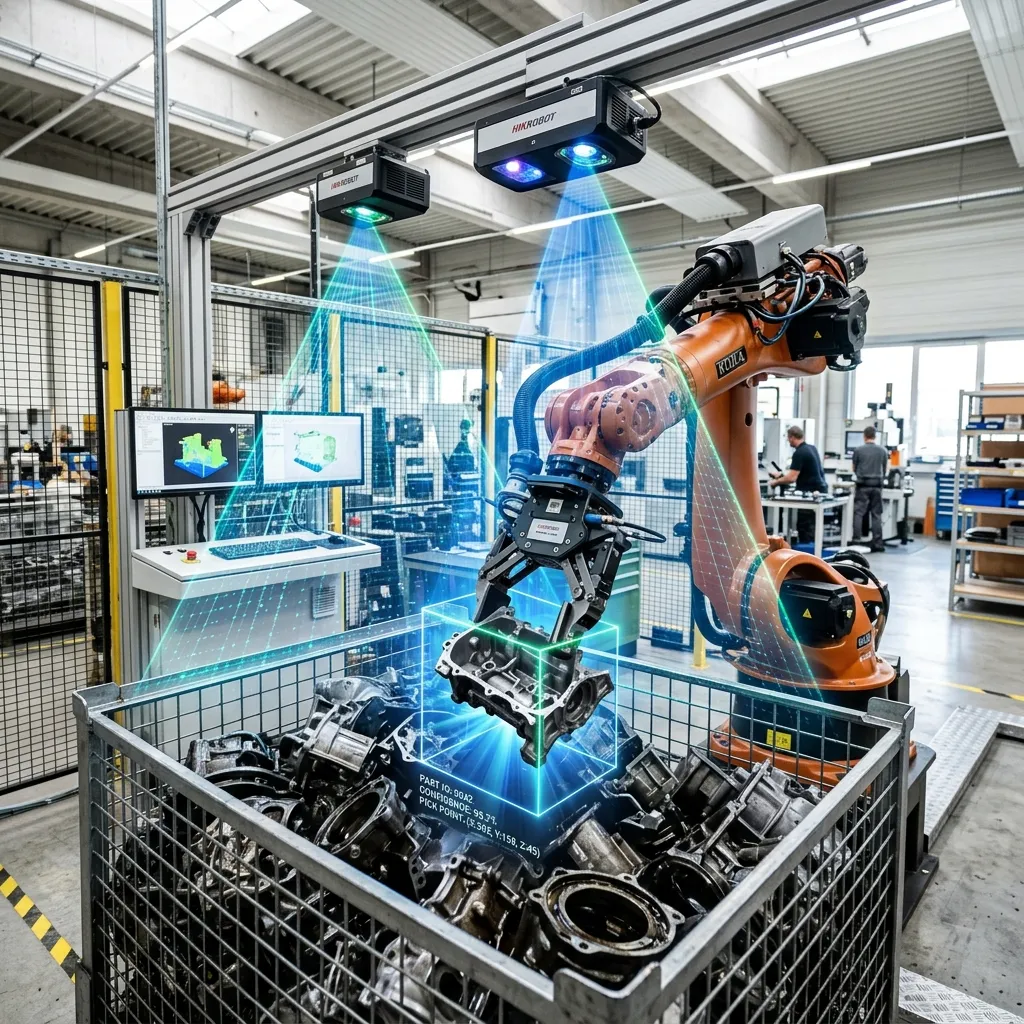
One of the biggest advantages of ROS2 is access to MoveIt2, the industry-standard motion planning framework. MoveIt2 provides state-of-the-art algorithms for inverse kinematics, collision avoidance, and trajectory generation. Instead of manually teaching points, developers can define high-level tasks, and MoveIt2 will calculate a collision-free path around obstacles in real time.
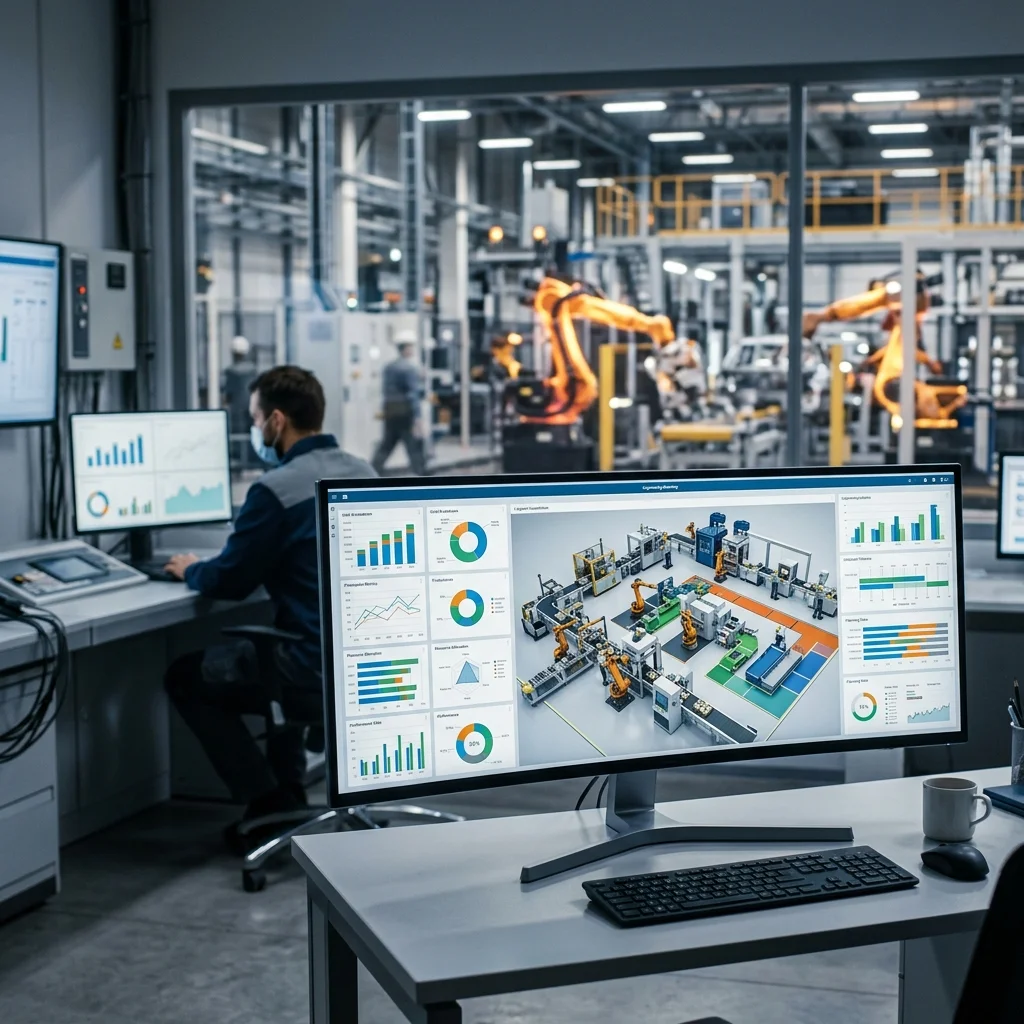
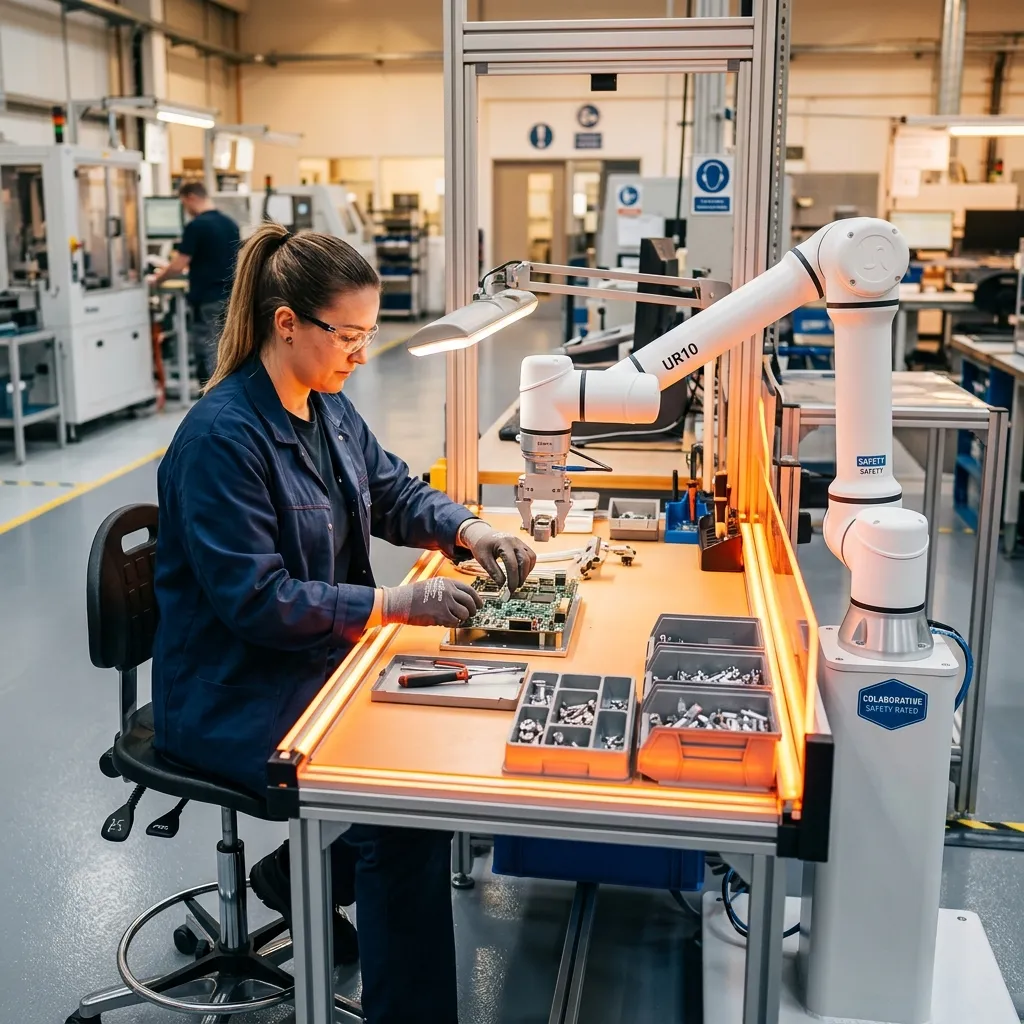
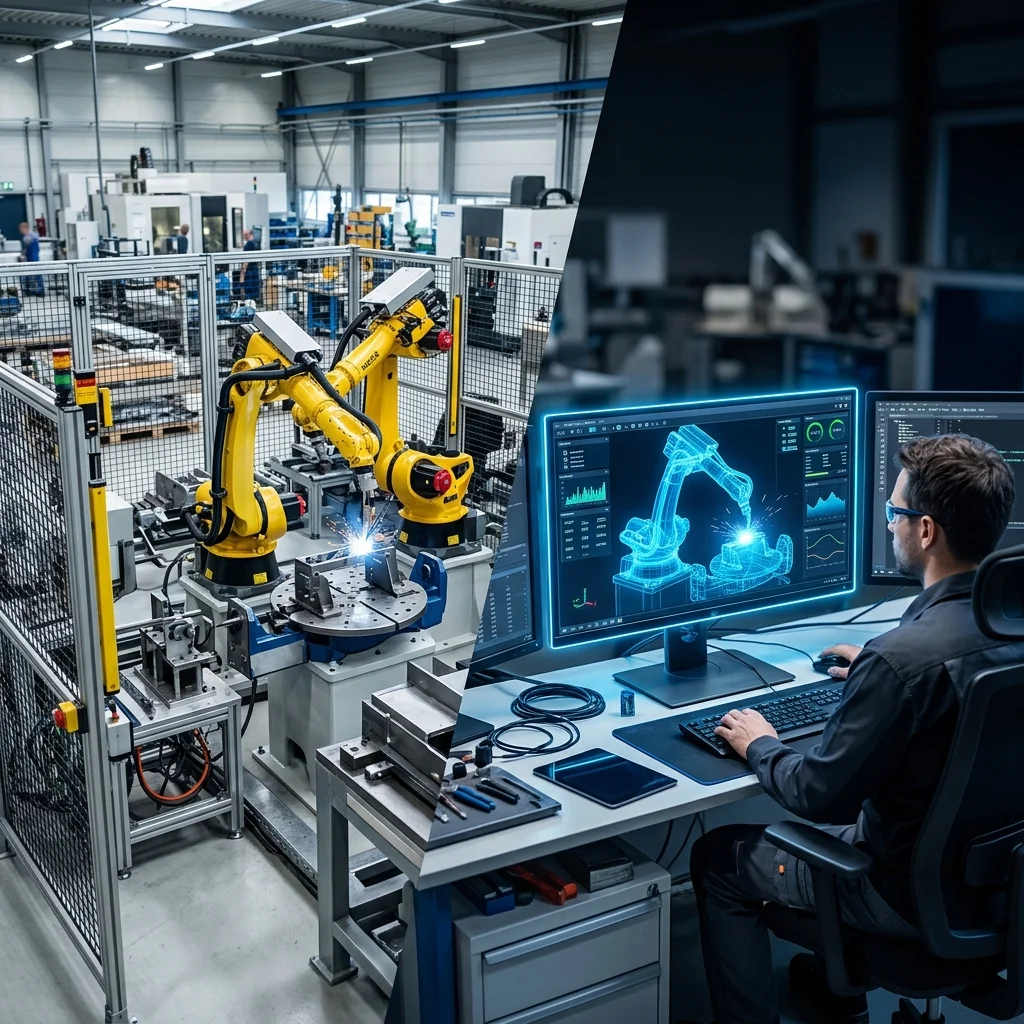
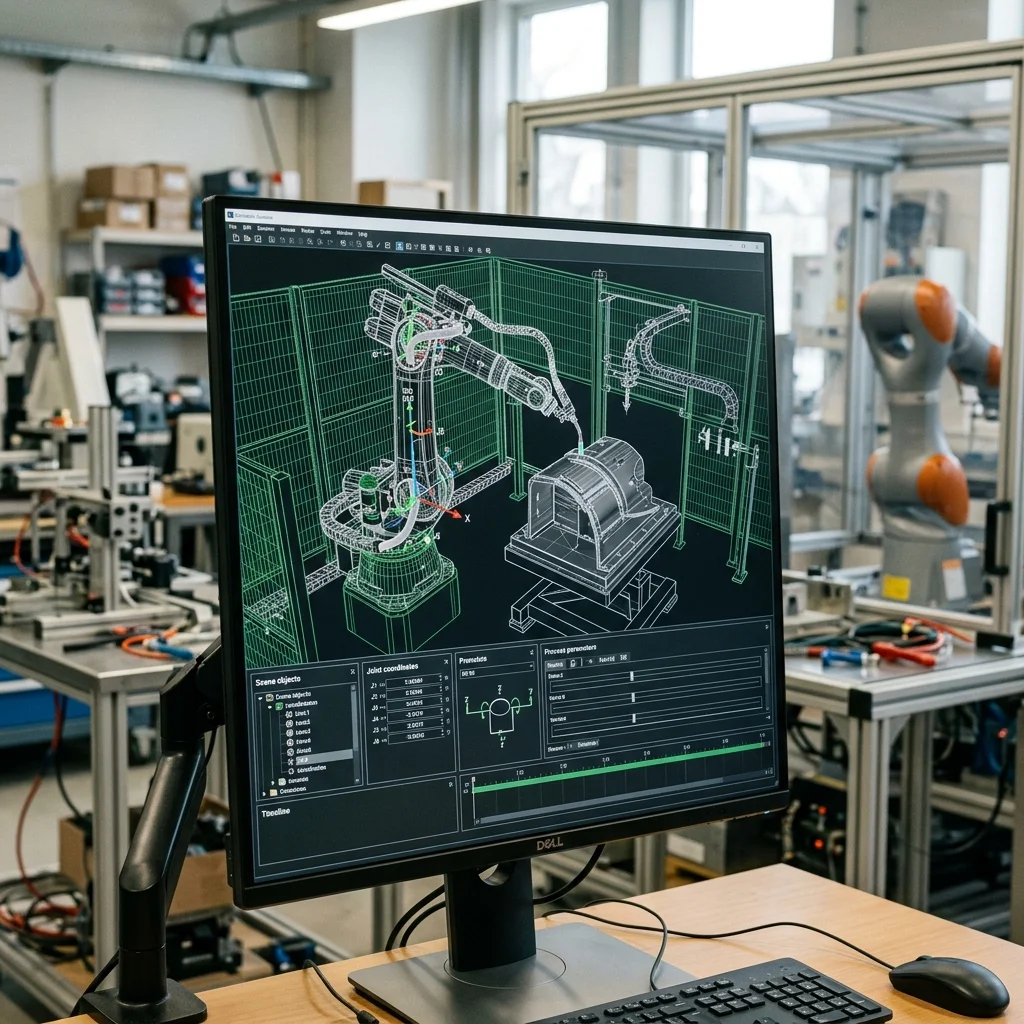
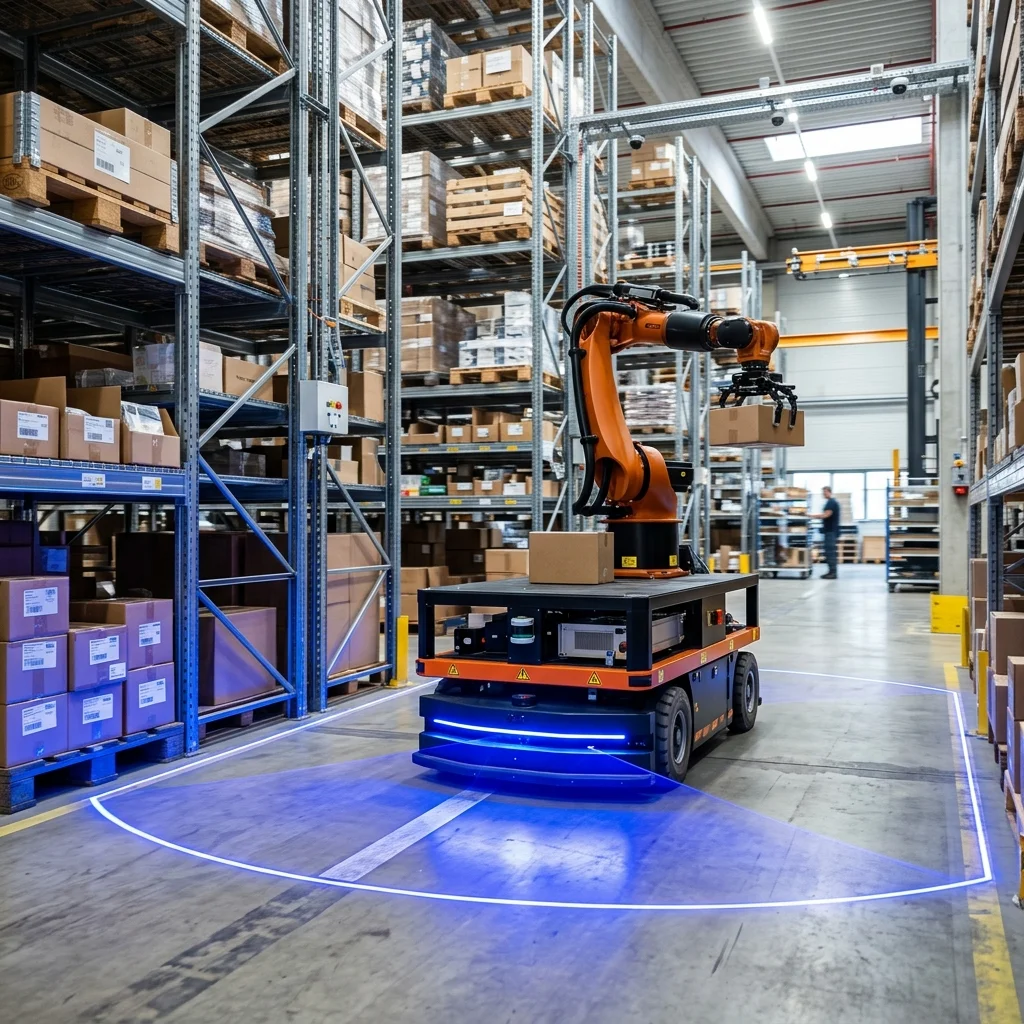
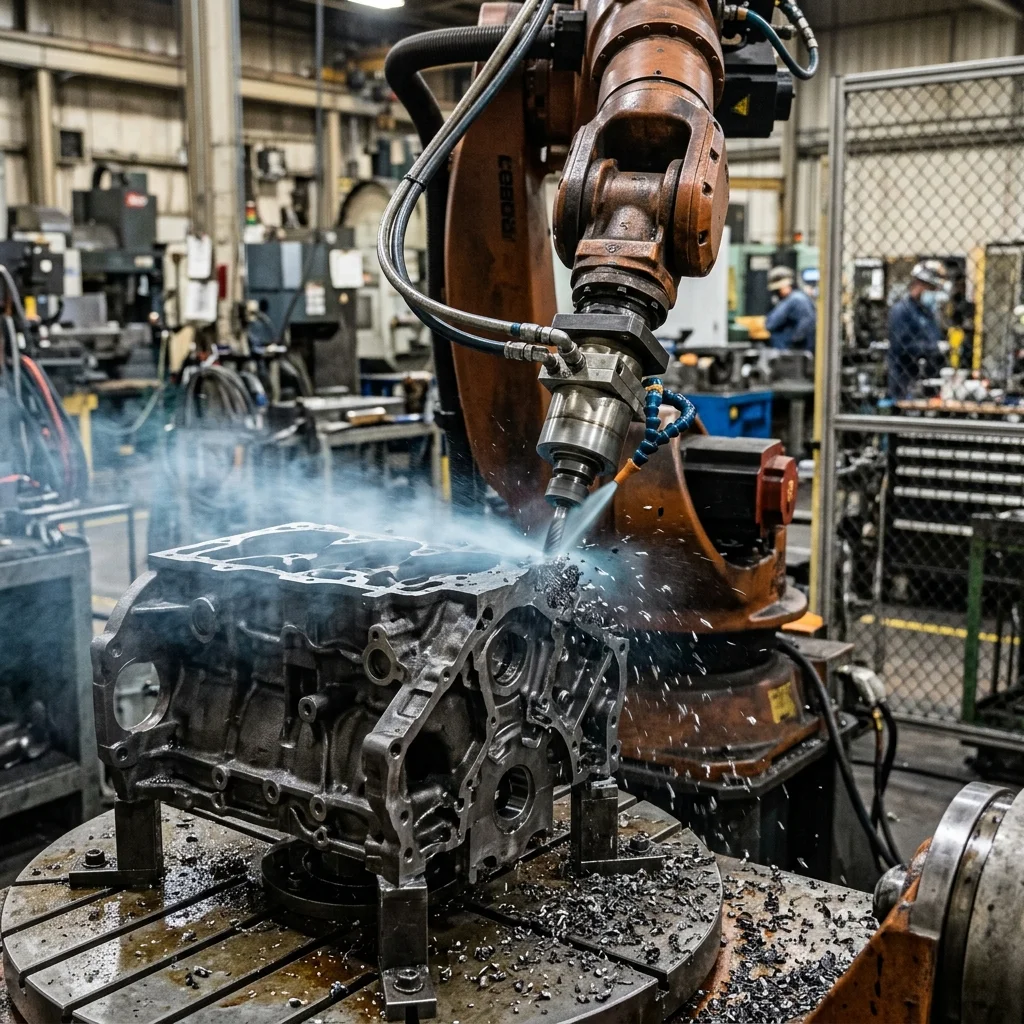
This dynamic path planning is highly useful for applications like bin picking, deburring, and collaborative assembly, where the environment is not fixed. In addition, ROS2 integrates seamlessly with Gazebo, a powerful 3D physics simulator. Engineers can test their complete control system, sensor inputs, and robot dynamics in a virtual environment before deploying code to the physical hardware.
Proprietary simulators (like ABB RobotStudio or KUKA.Sim) are excellent but are locked to their respective brands. Gazebo and ROS2 allow for multi-robot simulations, enabling engineers to model entire production lines containing different robot brands, automated guided vehicles (AGVs), and human operators. This unified simulation environment significantly reduces design risk and commissioning time.
The Real-Time Challenge and Safety Certification
Despite its benefits, deploying ROS2 in production introduces challenges regarding safety and deterministic execution. Traditional industrial robot controllers run on proprietary hardware with real-time kernels, ensuring that joint commands are processed at precise intervals (often every 2 to 4 milliseconds). Standard computers running ROS2 on Linux cannot guarantee this level of determinism without a real-time patch (such as PREEMPT_RT).
Without a real-time operating system, background processes on the PC can introduce latency spikes. If a motion command is delayed by even a few milliseconds, the robot controller will trigger a tracking error and stop, causing unscheduled downtime. Therefore, industrial ROS2 deployments require dedicated industrial PCs running real-time Linux kernels and carefully optimized drivers.
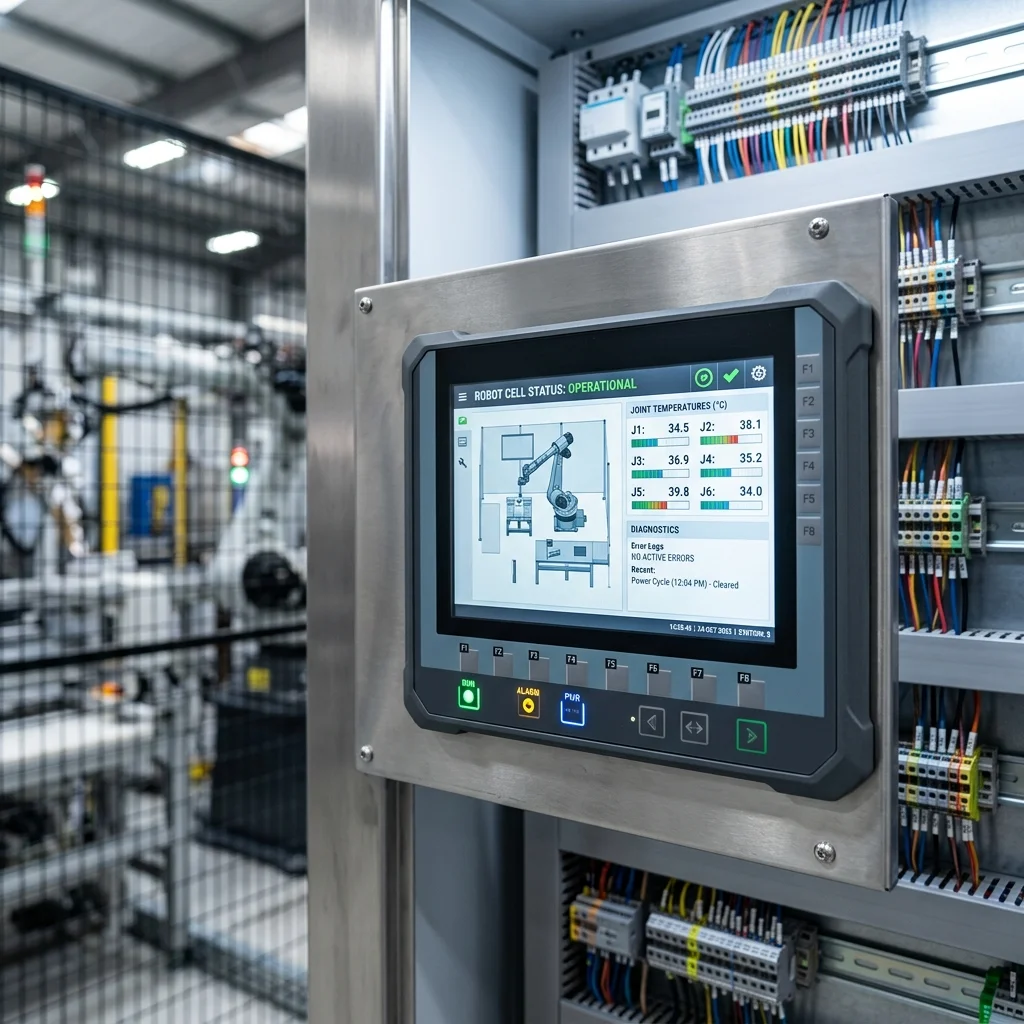
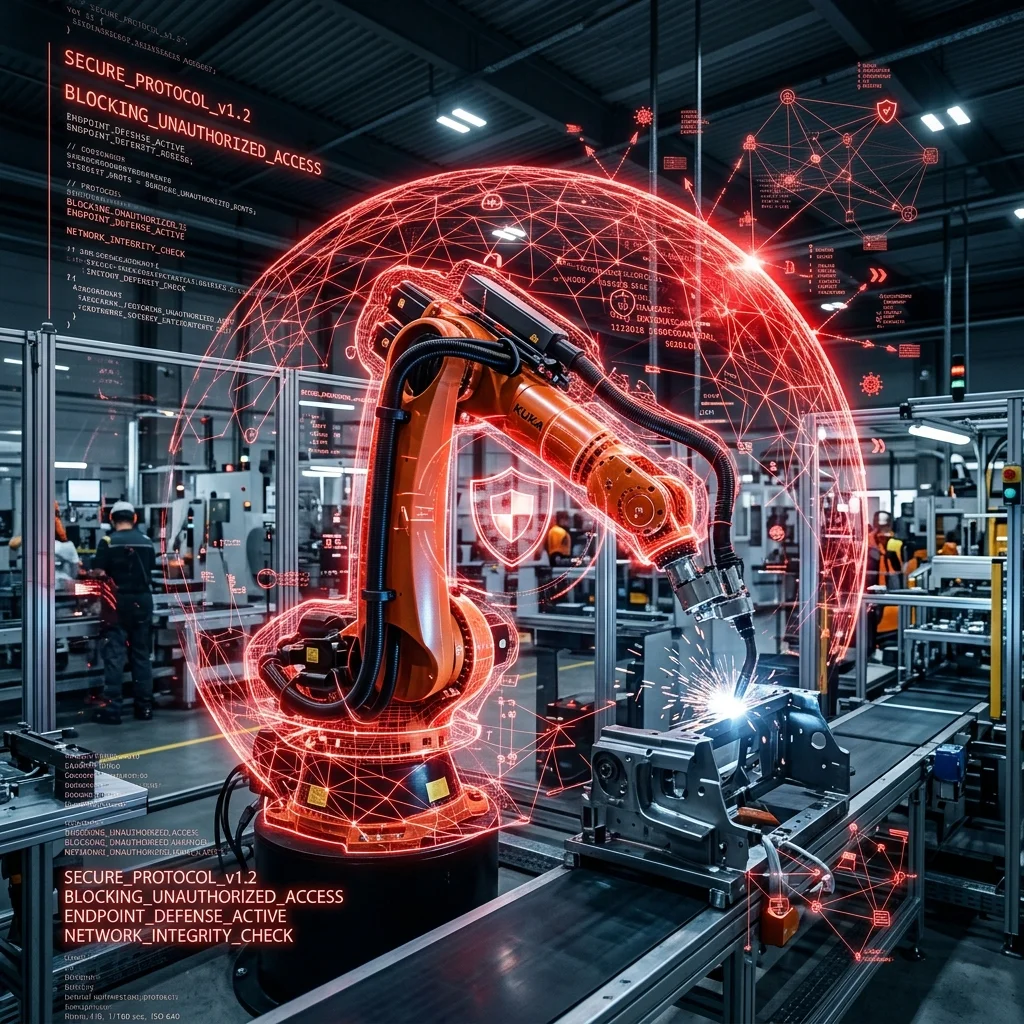
Safety certification is another critical hurdle. Proprietary controllers are safety-certified (ISO 10218-1) out of the box, meaning their hardware and software have been validated to prevent dangerous failures. ROS2, being open-source, is not safety-certified. In industrial applications, ROS2 is typically used for high-level path planning and perception, while safety-rated PLCs and the robot's onboard safety controller handle emergency stops and speed monitoring.
A Transition Strategy for Manufacturing Engineers
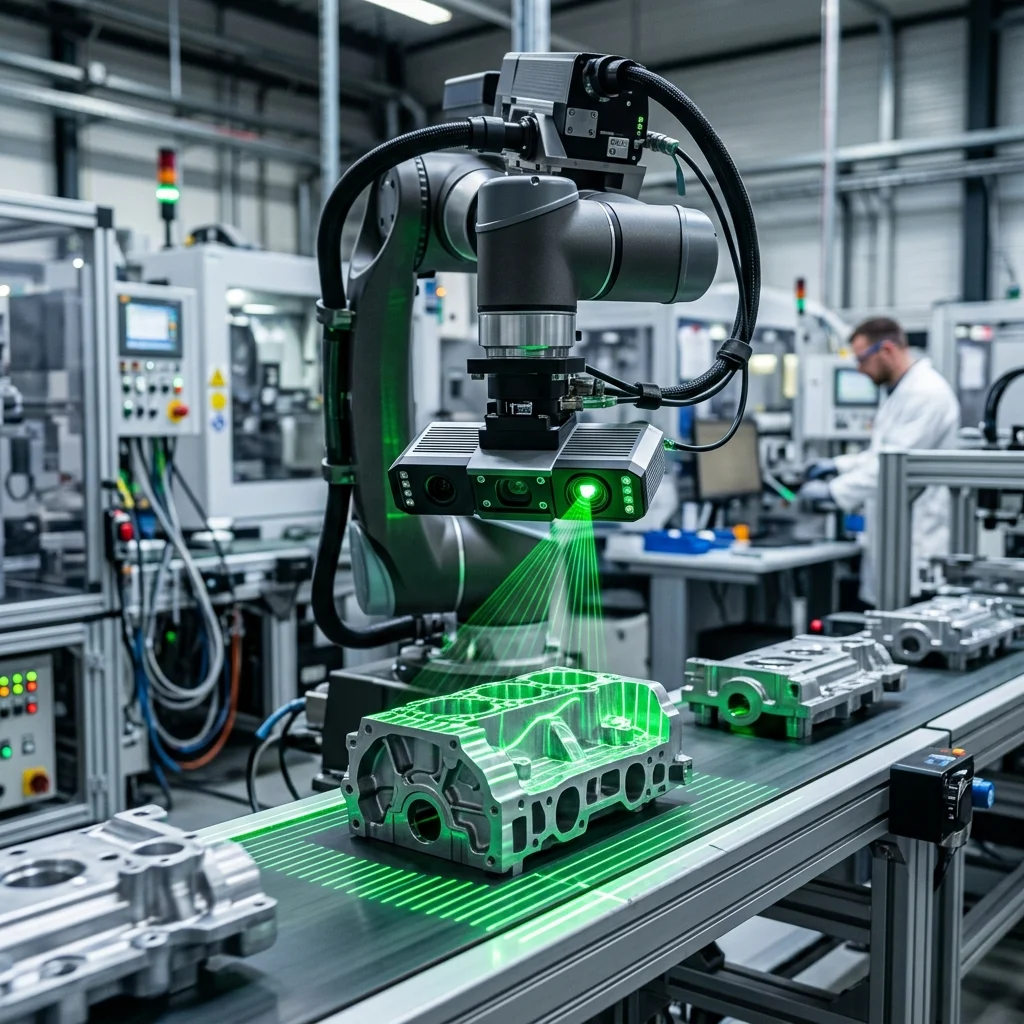
Transitioning to ROS2 does not require rewriting your entire software stack overnight. A hybrid approach is often the most successful strategy. In this model, the proprietary controller handles low-level motion control, safety, and basic kinematics, while ROS2 runs on an external PC to handle high-level tasks like vision integration, path planning, and database communication.
Many major manufacturers now provide official ROS2 drivers (such as the ROS-Industrial drivers) that expose a safe interface to their controllers. This allows engineers to utilize the advanced capabilities of ROS2 while retaining the reliability and safety certifications of the OEM hardware. Training is also critical; mechatronics teams must develop skills in C++, Python, and Linux administration to manage ROS2 systems.
Ultimately, the decision to adopt ROS2 depends on the complexity of the application. For simple, repetitive tasks like palletizing, proprietary languages remain the most efficient choice due to their simplicity. For complex, sensor-driven tasks requiring dynamic path planning and multi-agent coordination, transitioning to ROS2 provides the flexibility needed to build next-generation automation.